 EN
EN

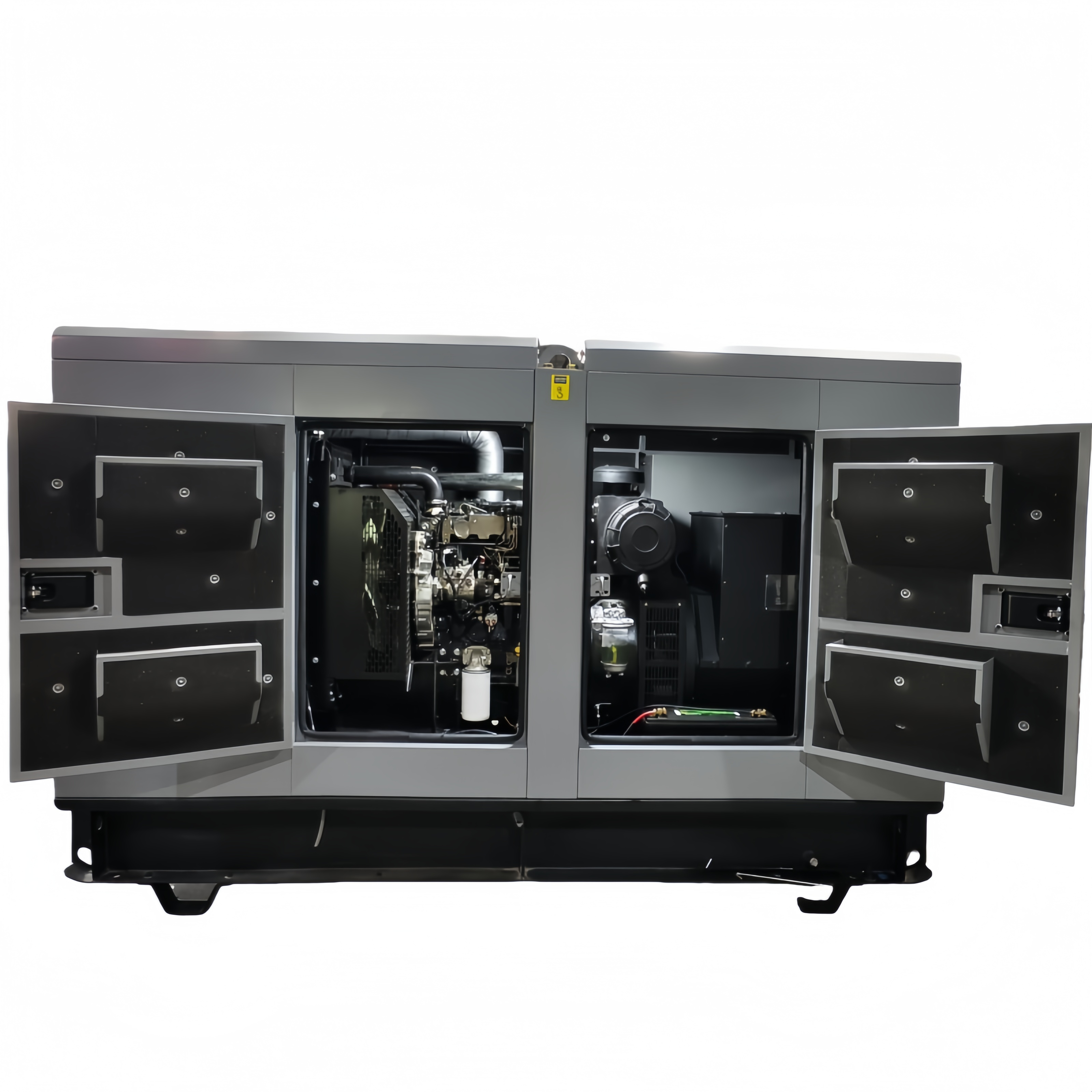
A power generator requires proper cooling to maintain efficiency, prevent overheating, and extend equipment lifespan. The cooling system you choose directly impacts the performance and reliability of your power generator. Understanding the differences between radiator and dry cooler technologies helps you select the right solution for your operational needs. Modern power generator installations depend on effective thermal management to avoid costly downtime and maintain consistent output.
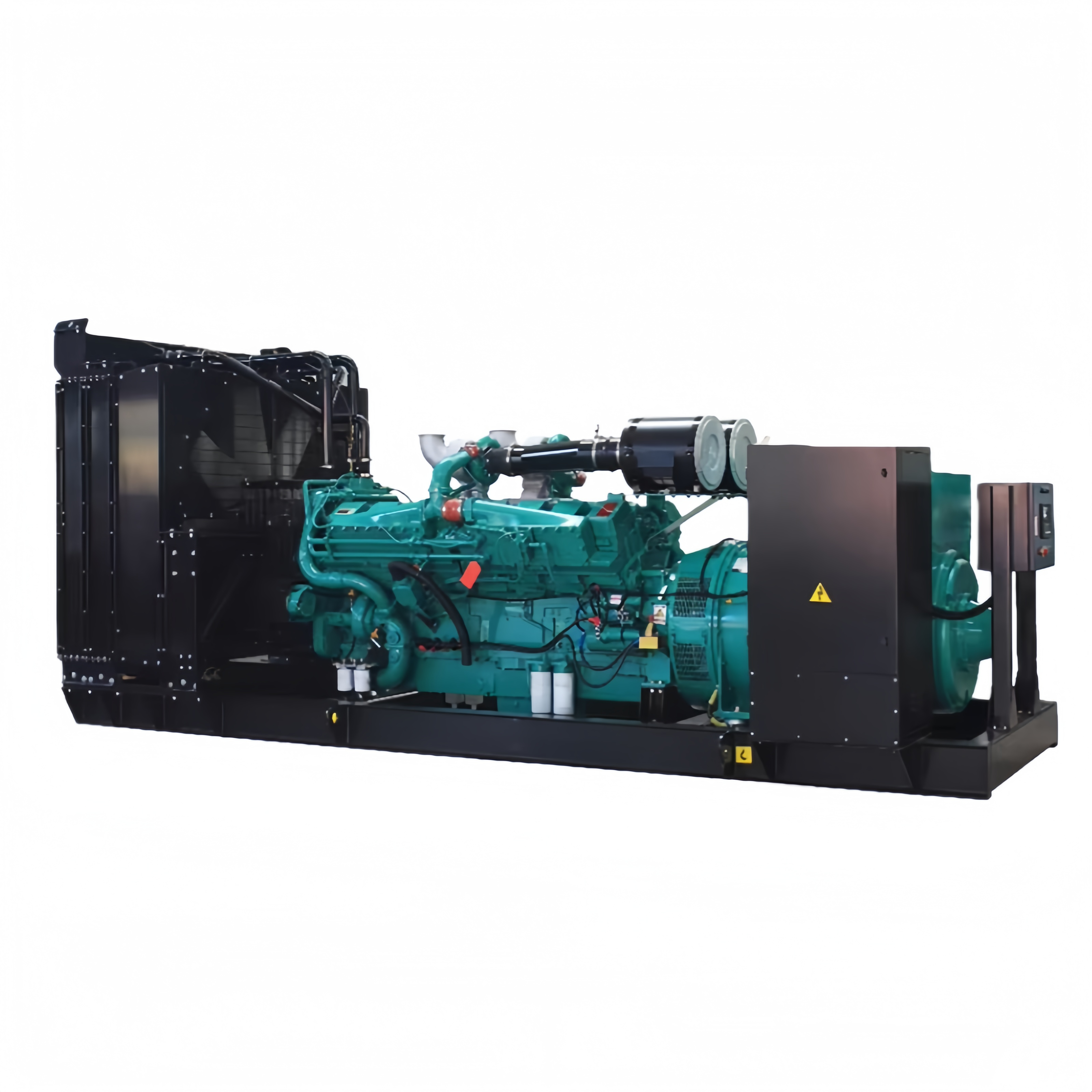
Every power generator produces significant heat during operation, and inadequate cooling leads to reduced efficiency, component degradation, and potential system failure. The choice between radiator and dry cooler cooling systems determines how effectively your power generator dissipates thermal energy. This guide explains how each cooling method operates, their advantages and limitations, and how to determine which approach suits your specific power generator application.
Understanding Power Generator Cooling Fundamentals
Why Cooling Matters for Power Generator Operations
Every power generator converts fuel energy into electrical energy, a process that generates substantial waste heat. Without proper thermal management, engine temperatures rise rapidly, causing fuel efficiency to decline and engine wear to accelerate. A power generator operating in high-temperature conditions experiences reduced electrical output, shortened component lifespan, and increased maintenance requirements. Effective cooling systems ensure your power generator maintains rated capacity, operates within safe temperature ranges, and delivers consistent performance throughout its operational life.
How Power Generator Cooling Systems Function
Power generator cooling systems transfer heat from the engine to the surrounding environment through fluid circulation and heat exchange. The cooling medium flows through engine passages, absorbing thermal energy, then travels to the cooling unit where ambient air removes the heat before recycling the fluid back through the engine. This continuous cycle keeps the power generator operating at optimal temperature. System efficiency depends on the cooling technology employed, ambient environmental conditions, and the load placed on the power generator during operation.
Radiator Cooling Systems for Power Generator Applications
How Radiator Cooling Works in Power Generator Units
A radiator functions as the cooling mechanism in most power generator installations by passing hot coolant through aluminum or copper tubes surrounded by cooling fins. As ambient air flows across these fins, either through natural convection or forced air from a fan, heat transfers from the coolant to the air. The cooled fluid then returns to the power generator engine to absorb more heat. Radiator systems for power generator use are compact, cost-effective, and proven through decades of industrial and commercial deployment.
Advantages of Radiator-Cooled Power Generator Systems
Radiator cooling offers several practical benefits for power generator operators. These systems require less initial investment compared to dry cooler alternatives, making radiator-equipped power generator units more affordable for budget-conscious buyers. Radiator design has been refined extensively, resulting in reliable, low-maintenance cooling for most power generator applications. The compact footprint of radiator systems means your power generator occupies less installation space. Additionally, radiator cooling for a power generator performs efficiently in moderate climate conditions and supports both stationary and portable power generator configurations.
Limitations of Radiator-Cooled Power Generator Systems
Radiator cooling presents challenges in specific operating environments. In extremely hot climates, radiator-cooled power generator units struggle to dissipate adequate heat, potentially causing the system to overheat under sustained high-load operation. Dusty or debris-heavy environments require frequent radiator maintenance to prevent fin clogging, which reduces cooling efficiency for your power generator. Radiator systems also require regular coolant monitoring and periodic replacement, adding operational costs. For power generator installations in harsh industrial environments or tropical climates, radiator limitations may outweigh their cost advantages.
Dry Cooler Technology for Power Generator Systems
Dry Cooler Operation and Design Principles
A dry cooler uses air-to-oil or air-to-fluid heat exchange without introducing liquid water into the cooling process, making it ideal for power generator applications where water availability or quality presents challenges. The power generator's hot hydraulic fluid or coolant passes through an aluminum plate-fin core, while an integrated fan forces ambient air across the fins to achieve heat transfer. This dry process eliminates water management concerns and prevents mineral buildup or corrosion issues that sometimes affect radiator-based power generator systems. Dry coolers for power generator use excel in demanding industrial, agricultural, and remote locations.
Advantages of Dry Cooler-Equipped Power Generator Units
Dry coolers deliver superior thermal performance for power generator installations operating in extreme conditions. A power generator equipped with dry cooling maintains optimal operating temperatures even in high-ambient environments where radiators prove inadequate. These systems eliminate water-related maintenance hassles, making your power generator simpler to operate in remote locations without reliable water access. Dry cooler technology provides enhanced reliability for mission-critical power generator applications, reducing unplanned downtime risks. The environmental benefits are significant too—a power generator with dry cooling avoids coolant leaks into soil or groundwater, supporting sustainability goals and regulatory compliance for industrial power generator deployments.
Trade-offs and Considerations for Dry Cooler Power Generator Systems
Dry cooler integration increases the capital cost of a power generator compared to traditional radiator cooling. The larger core and integrated fan mechanism make dry-cooled power generator units bulkier and heavier than radiator alternatives, affecting transportation and installation logistics. Dry cooler systems for power generator use consume more electrical energy to drive the cooling fan, which slightly reduces net power generator output. Noise levels from the forced-air fan on a dry-cooled power generator may exceed those of radiator-equipped models, requiring acoustic mitigation in sensitive environments. Despite these trade-offs, the superior performance and reliability justify the investment for many industrial power generator applications.
Selecting the Right Cooling System for Your Power Generator
Environmental and Operational Factors Affecting Power Generator Cooling Choice
Your power generator cooling selection depends on climate, installation environment, and duty cycle. Operators deploying a power generator in tropical, desert, or high-altitude regions benefit significantly from dry cooler technology. If your power generator operates in moderate climates with seasonal variation, radiator cooling often delivers sufficient performance at lower cost. Consider the typical ambient temperature range, humidity levels, and potential for dust or chemical contamination when evaluating your power generator cooling needs. Load profile matters too—continuous high-load power generator operation in hot climates strongly favors dry cooler cooling, while intermittent or light-load power generator use may suit radiator systems.
Matching Power Generator Cooling to Maintenance Capabilities
Your maintenance infrastructure influences power generator cooling decisions. Radiator-cooled power generator systems require regular coolant inspections and occasional fin cleaning. If your operation has established maintenance routines and reliable supply chains for coolant products, a radiator-based power generator remains practical. Dry cooler-equipped power generator units demand less frequent fluid servicing but may require professional fan motor maintenance. Organizations with limited technical support should carefully evaluate whether they can sustain a power generator system's chosen cooling approach. Selecting a power generator cooling technology aligned with your maintenance capabilities prevents costly service interruptions and extends equipment longevity.
FAQ
Can a power generator switch between radiator and dry cooler cooling?
Retrofitting a power generator from radiator to dry cooler cooling is technically possible but impractical and expensive. Such conversion requires engine modifications, mounting system redesign, and potential electrical upgrades for the cooling fan motor. Most operators instead replace the entire power generator unit to access dry cooler technology rather than attempt mid-life conversion. When selecting your initial power generator configuration, choose the cooling system matching your long-term operational environment to avoid costly modifications later.
What maintenance does a power generator cooling system require?
Radiator-cooled power generator systems need monthly coolant level checks, annual coolant flushes, and periodic fin cleaning to maintain efficiency. Dry cooler-equipped power generator units require less frequent fluid servicing but demand quarterly fan motor inspections and annual core cleaning. Both power generator cooling types benefit from pre-season inspections before peak operating periods. Following the power generator manufacturer's maintenance schedule ensures your cooling system performs reliably and extends component life, preventing overheating emergencies.
How do power generator cooling systems affect energy efficiency?
The cooling system you choose influences overall power generator energy efficiency significantly. Radiator-cooled power generator designs minimize parasitic losses since passive or minimal-fan cooling requires less auxiliary power draw. Dry cooler-equipped power generator units consume electrical energy to drive their cooling fans, reducing net output by approximately one to three percent depending on ambient conditions. However, dry cooler technology's superior thermal management often allows a power generator to maintain rated output in challenging environments where radiator systems would de-rate, potentially offsetting efficiency penalties through better load carrying capacity and reliability.