Versatile Applications and Installation Flexibility
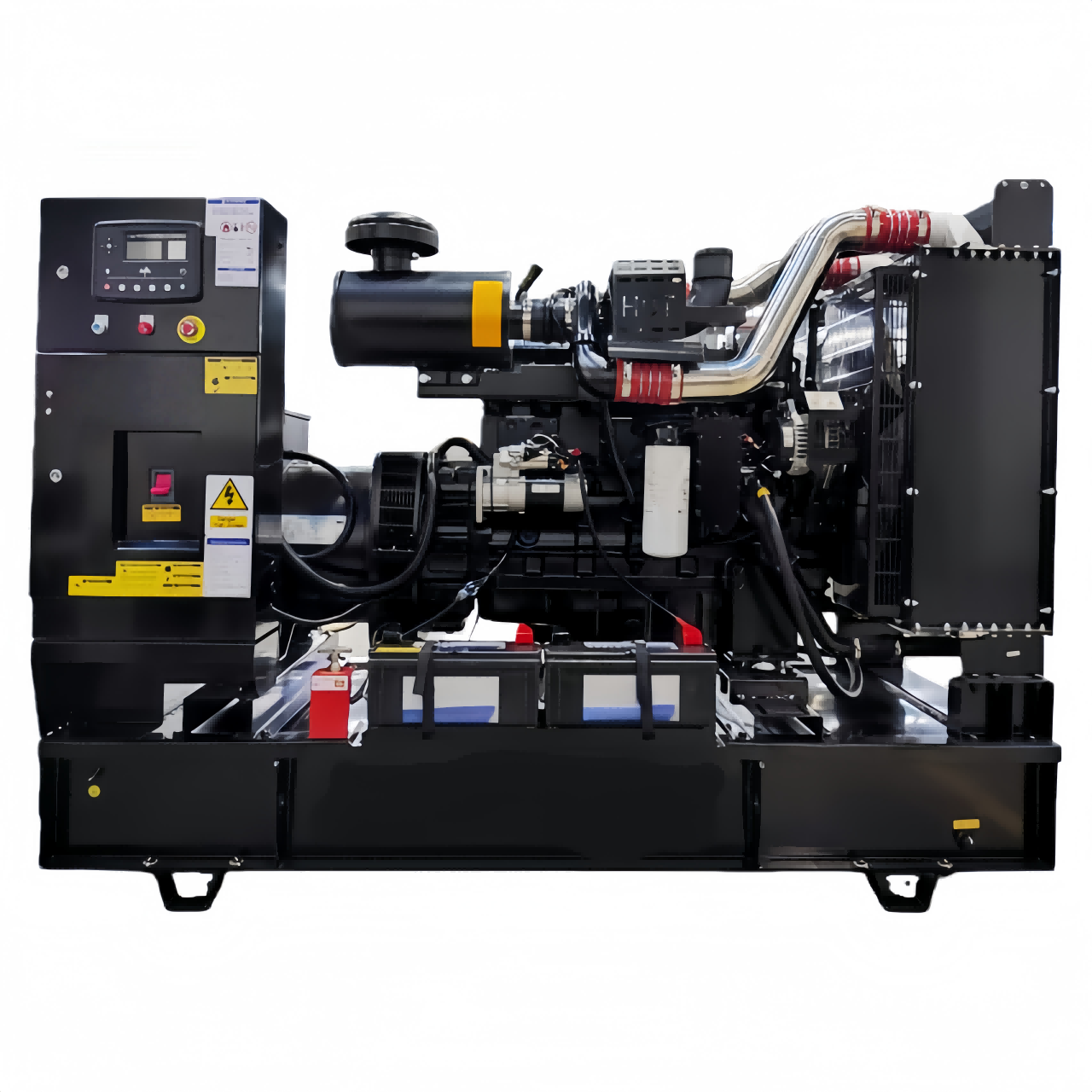
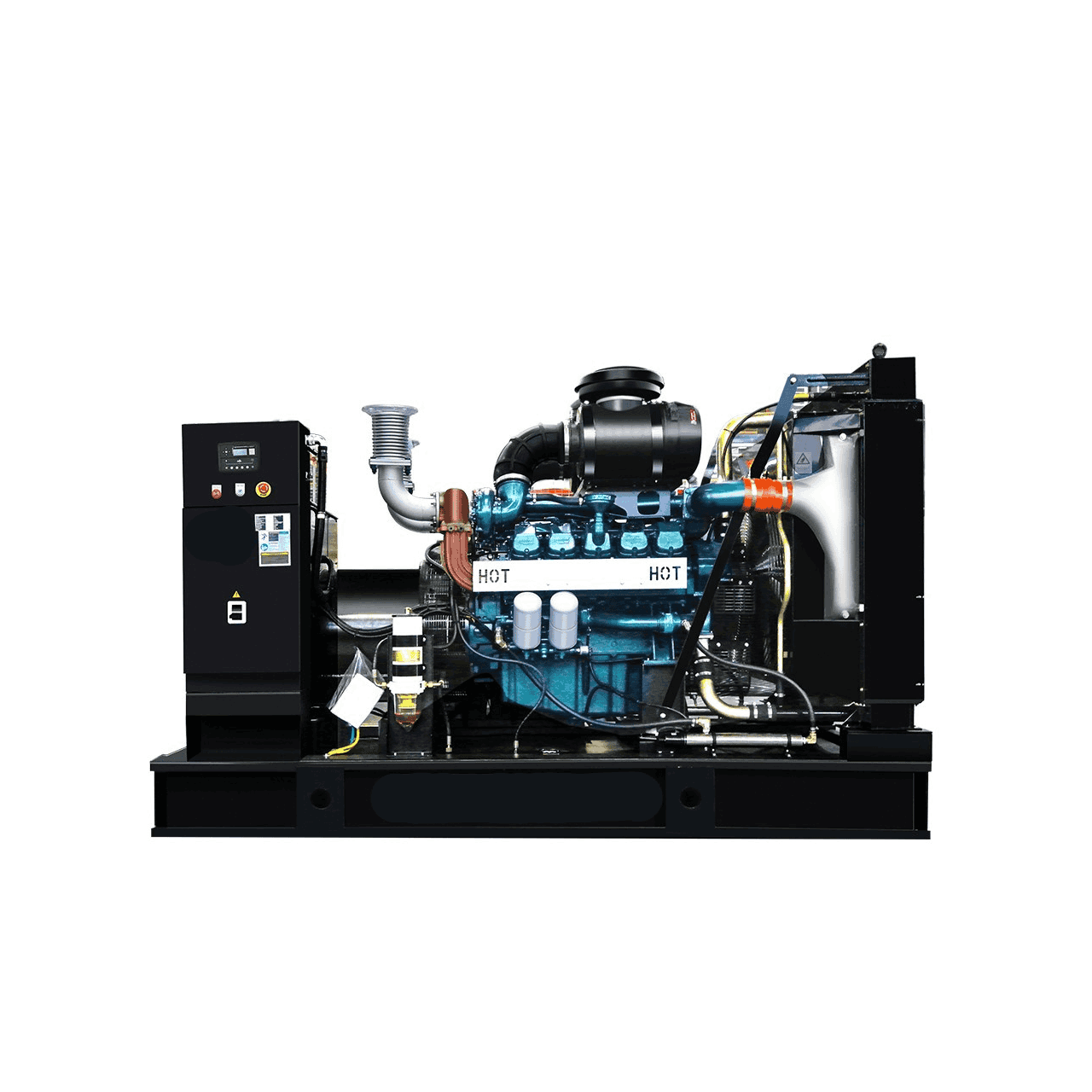
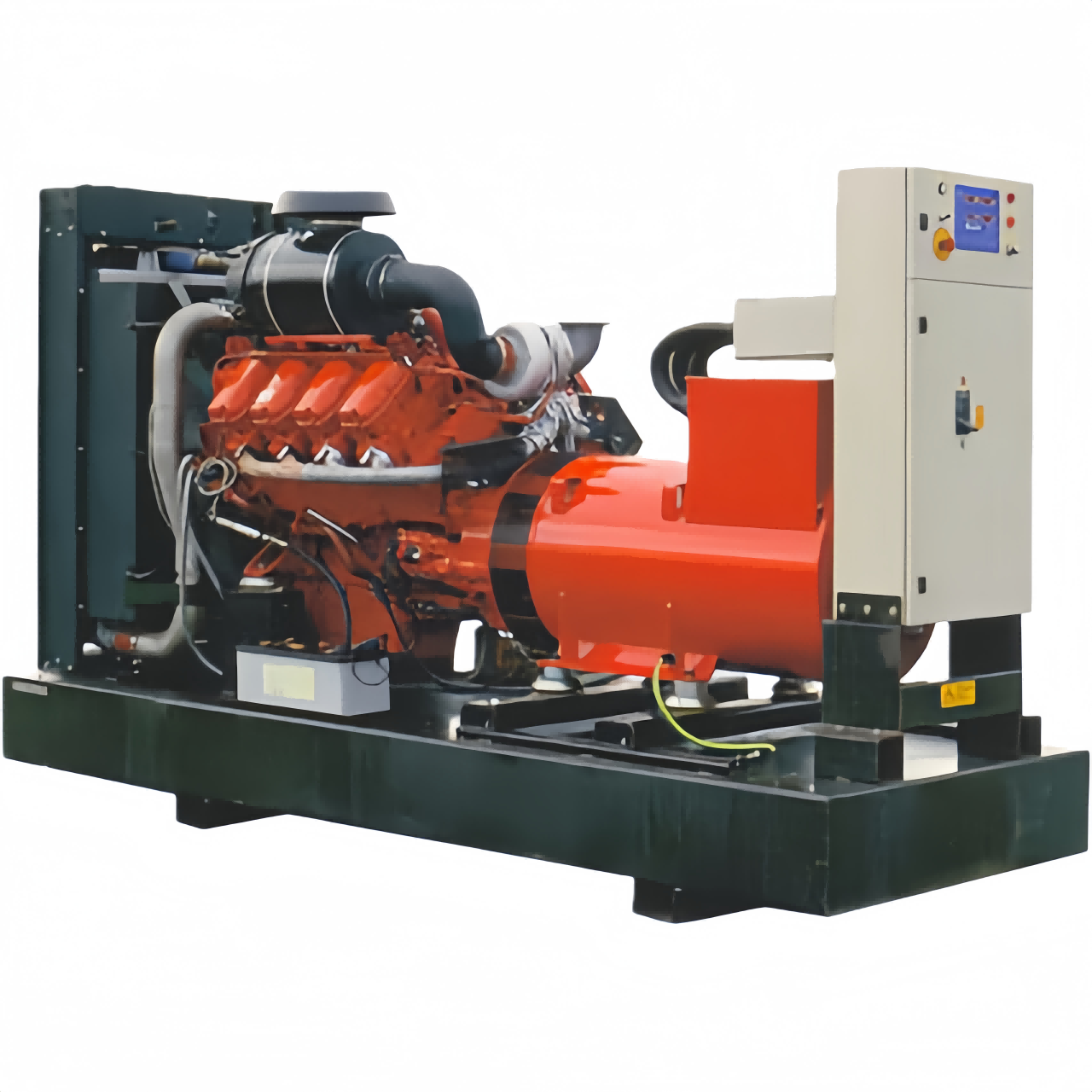
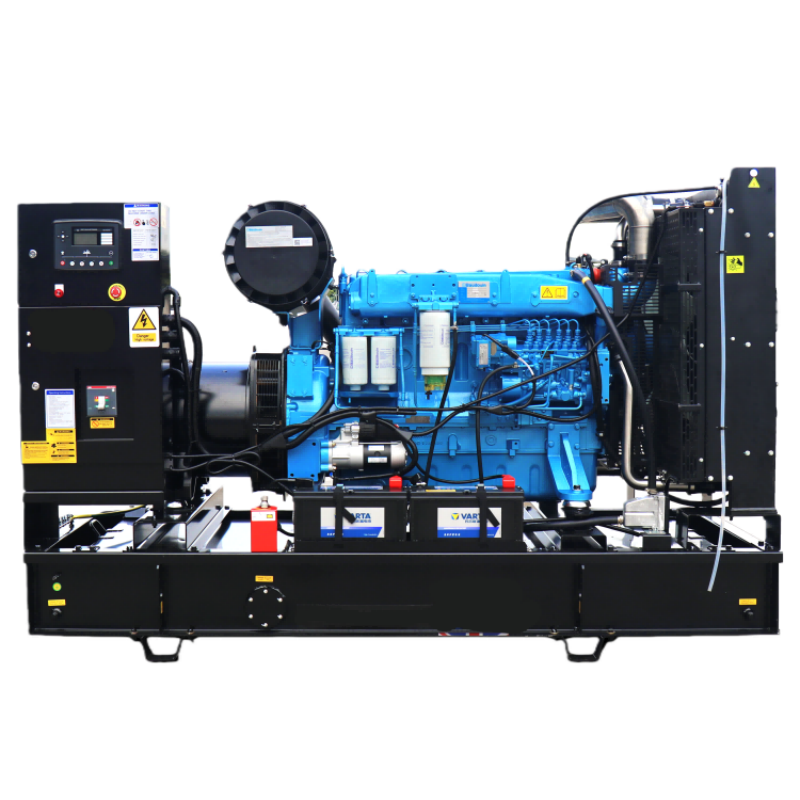
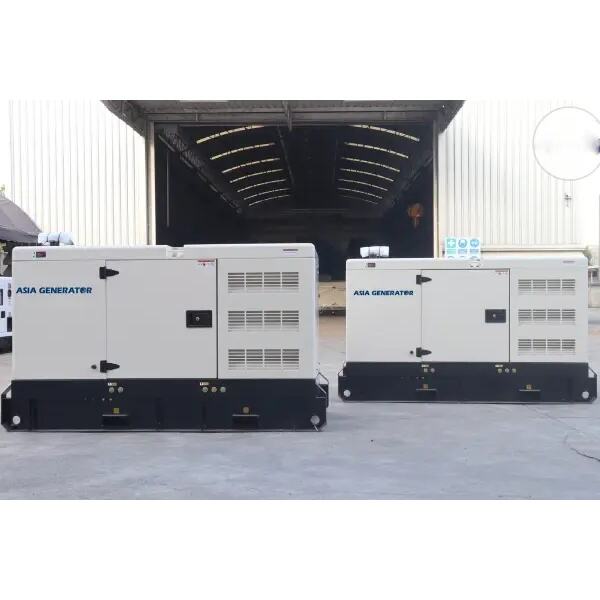
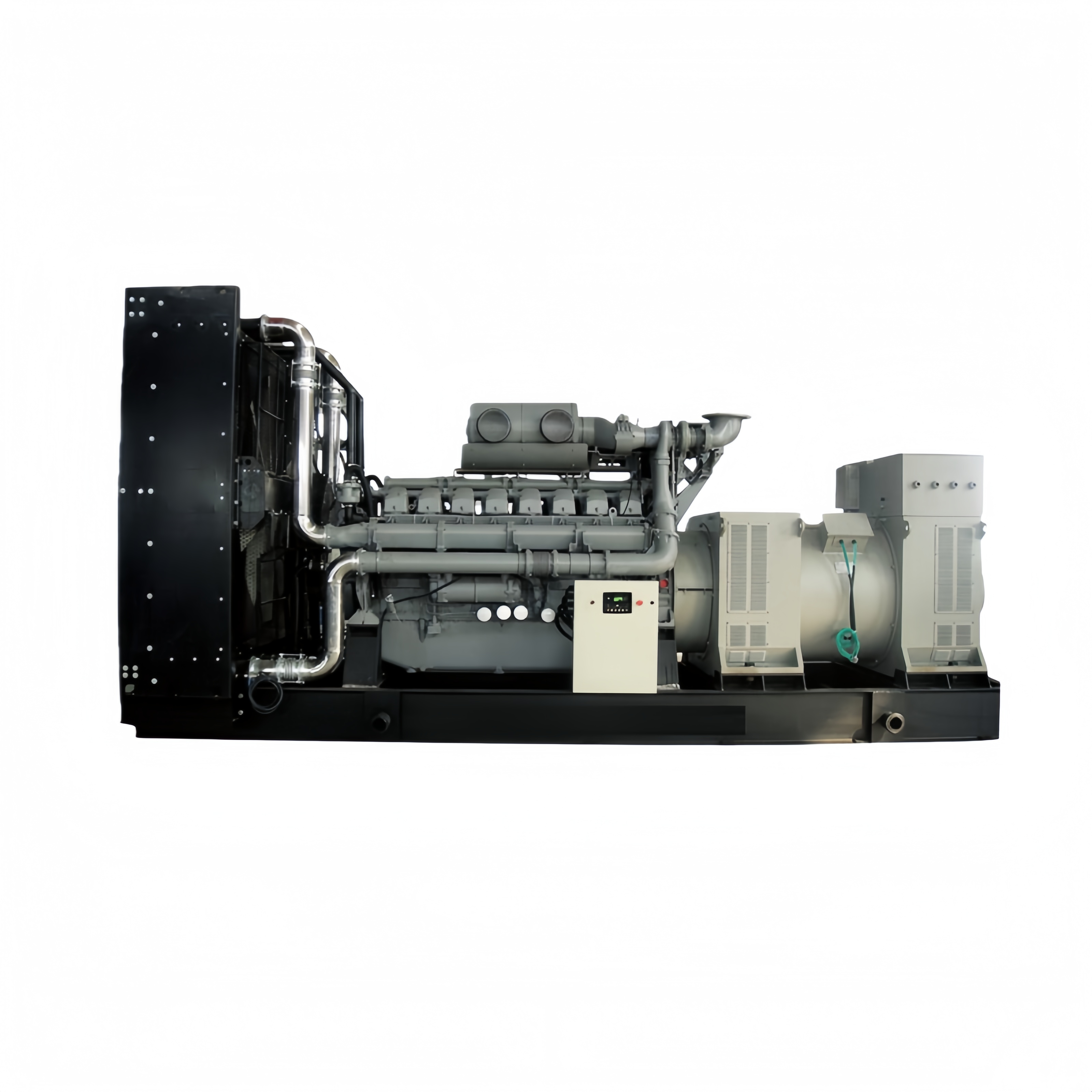
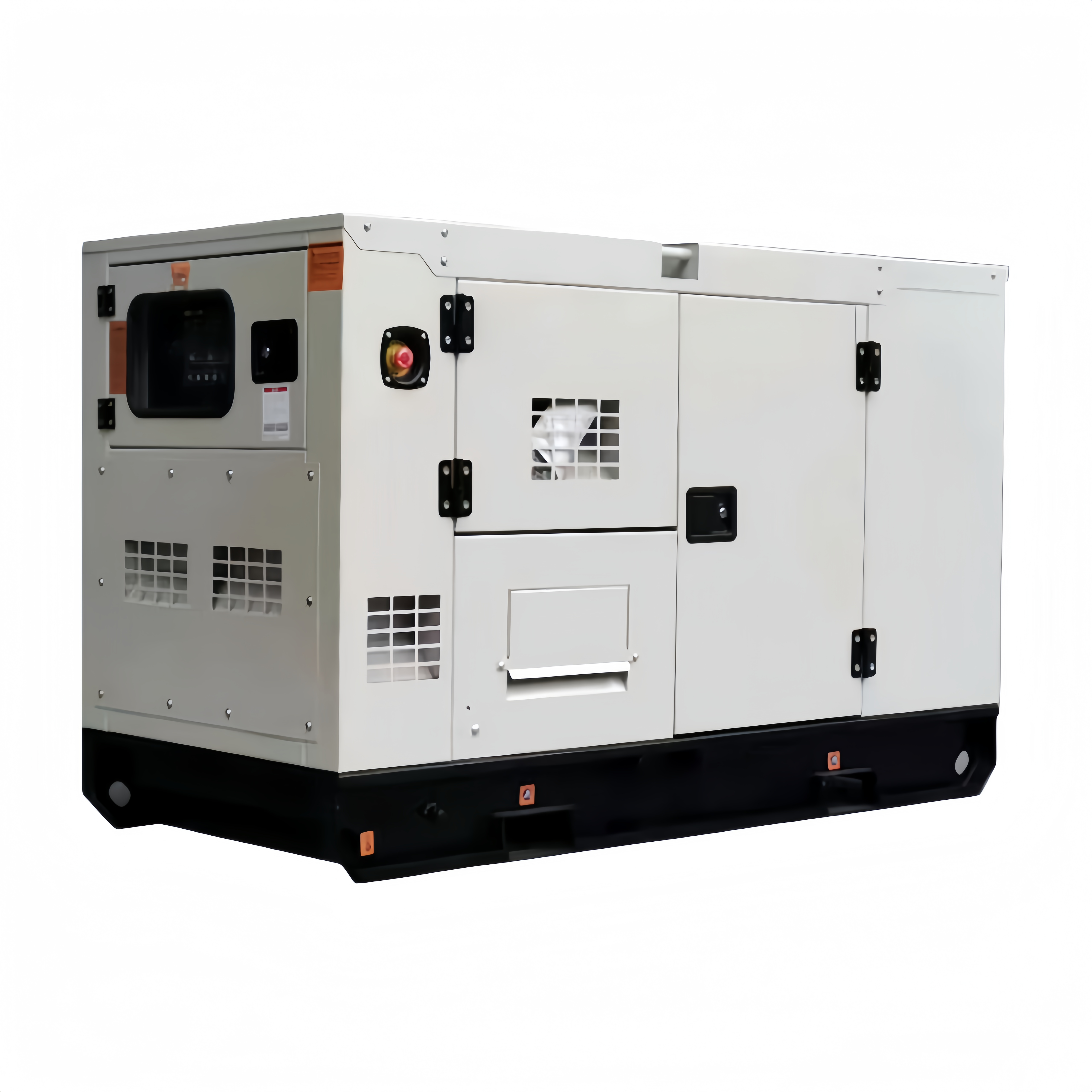
Perkins generators demonstrate remarkable versatility across numerous applications, from emergency backup power for critical facilities to primary power generation in remote locations where grid electricity is unavailable or unreliable. Healthcare facilities rely on Perkins generators to maintain life-support systems, surgical equipment, and climate control during power outages, with automatic start systems ensuring seamless transition that protects patient safety and maintains critical care capabilities without interruption. Data centers utilize these generators to protect valuable servers and network infrastructure from power disturbances that could result in significant financial losses due to downtime or equipment damage. Manufacturing facilities depend on Perkins generators to maintain production schedules during utility outages, preventing costly delays and protecting temperature-sensitive processes that require continuous power for quality control. Construction sites in remote areas benefit from portable Perkins generator models that provide reliable power for tools, lighting, and temporary facilities without requiring connection to electrical grid infrastructure. Telecommunications facilities use these generators to ensure continuous operation of cell towers, internet infrastructure, and emergency communication systems that communities depend on during natural disasters or grid failures. The modular design approach enables easy transportation and installation in challenging locations, with weatherproof enclosures protecting critical components from harsh environmental conditions including extreme temperatures, moisture, dust, and corrosive atmospheres. Flexible fuel systems accommodate various diesel fuel types and biodiesel blends up to B20, providing operational flexibility while supporting environmental sustainability initiatives through reduced carbon footprint compared to traditional fossil fuel alternatives. Sound attenuation packages reduce noise emissions to levels acceptable for urban installations and noise-sensitive environments, enabling deployment near residential areas, hospitals, and schools without creating community disturbance issues that could limit operational flexibility or require expensive noise mitigation measures.
 EN
EN