Comprehensive Remote Monitoring and Diagnostic Capabilities
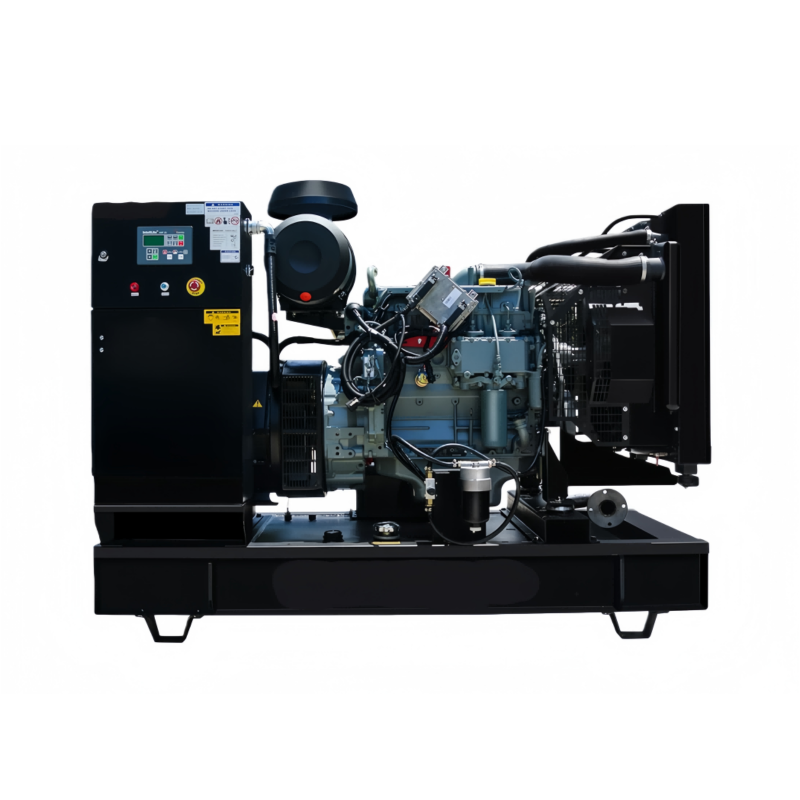
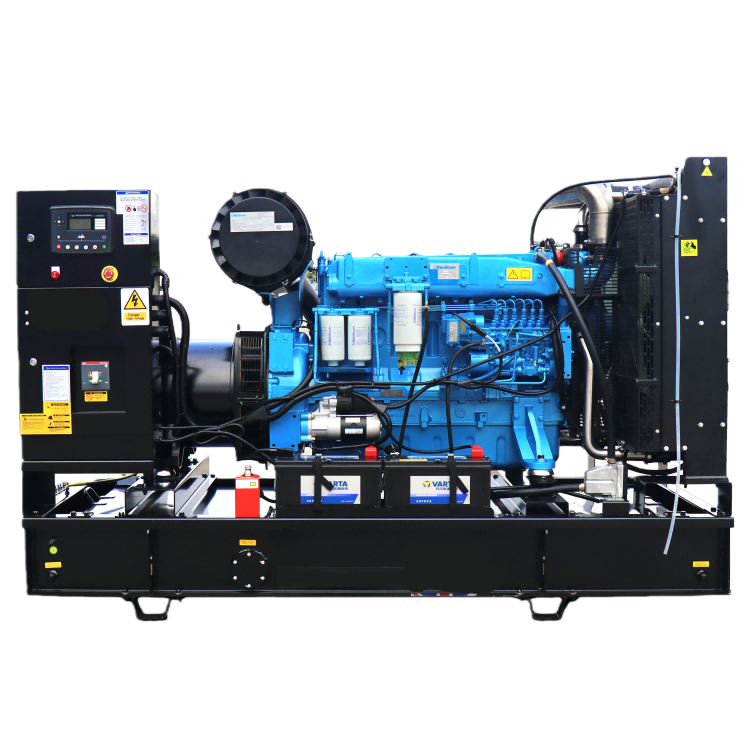
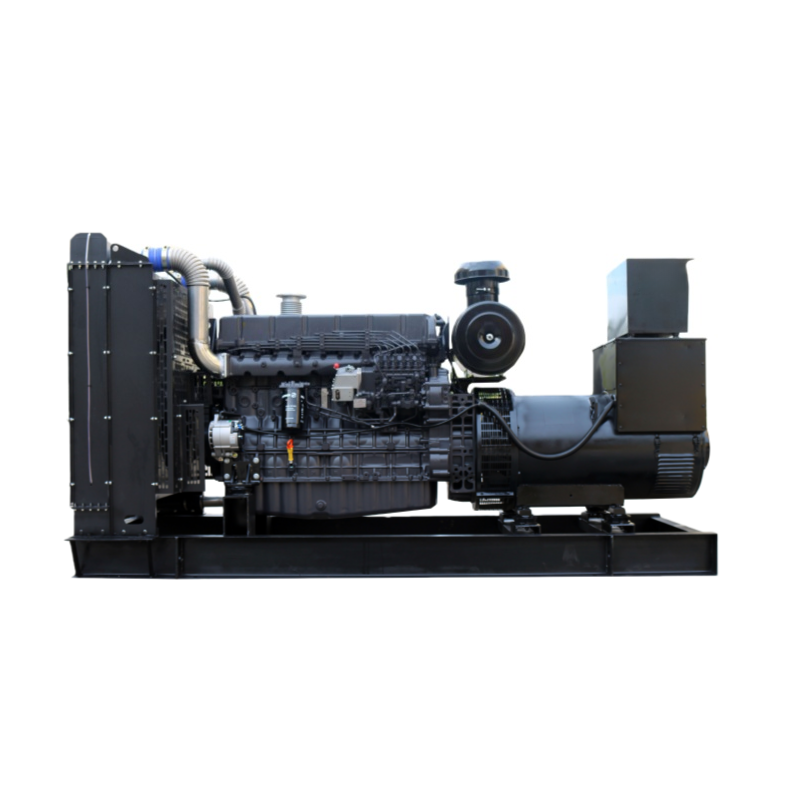
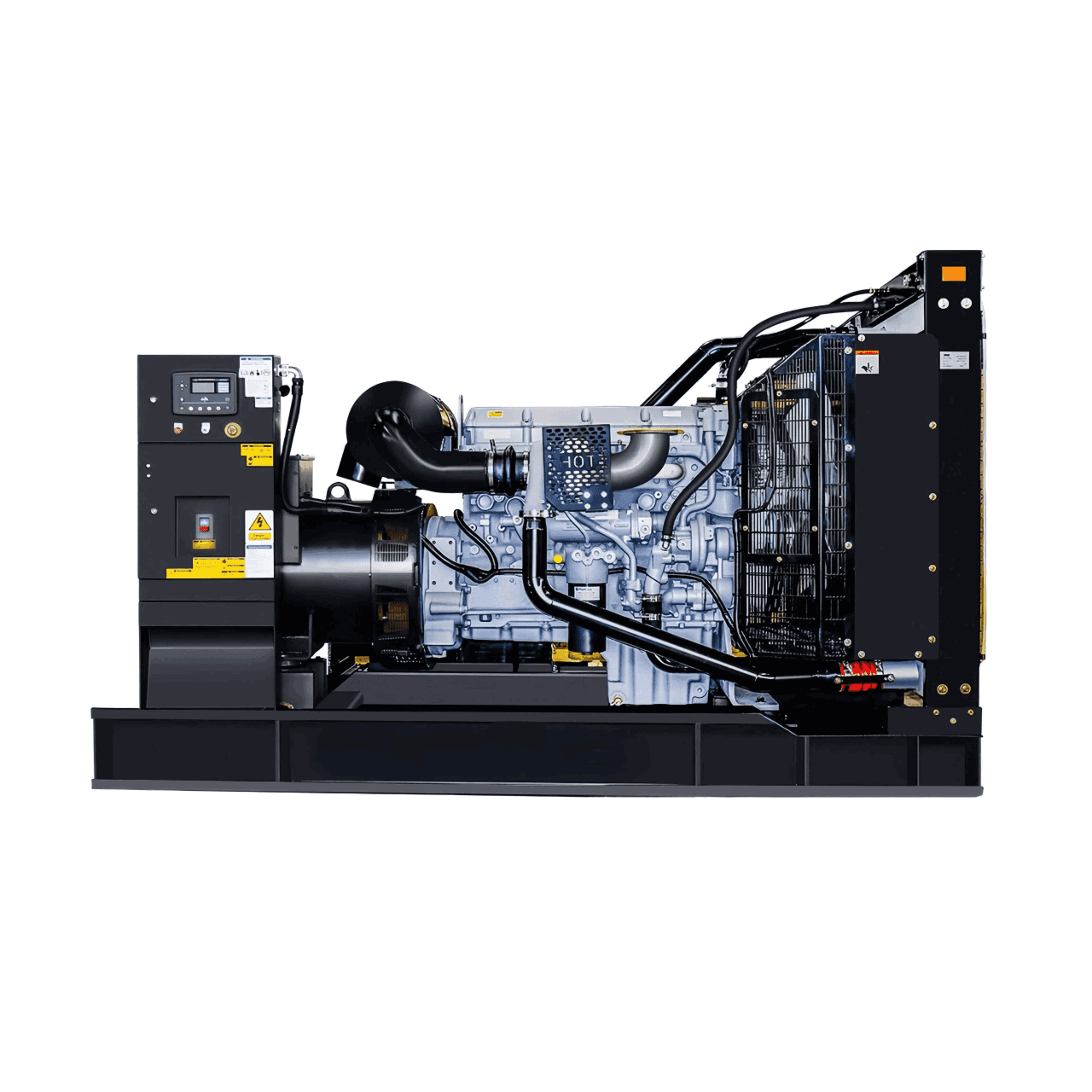
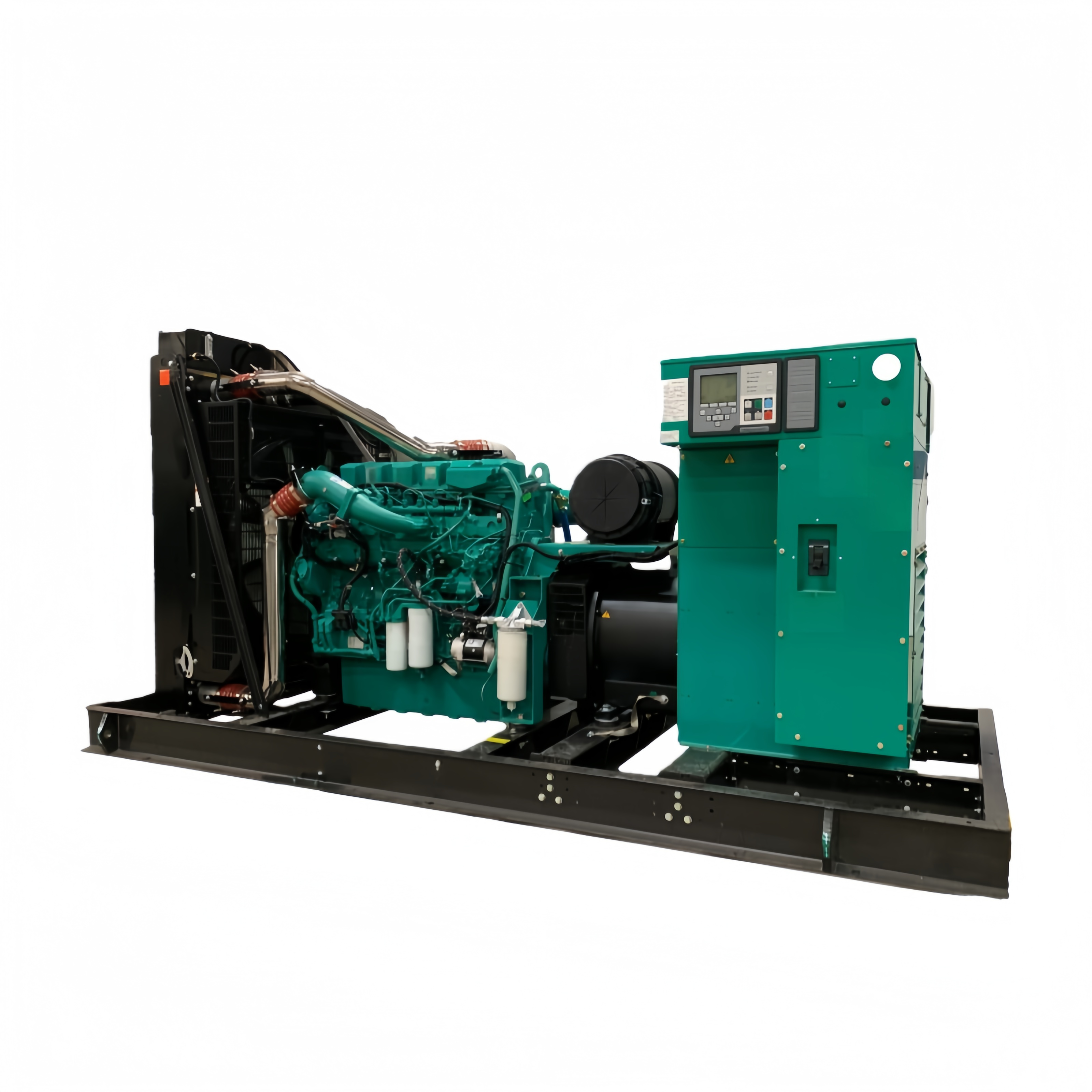
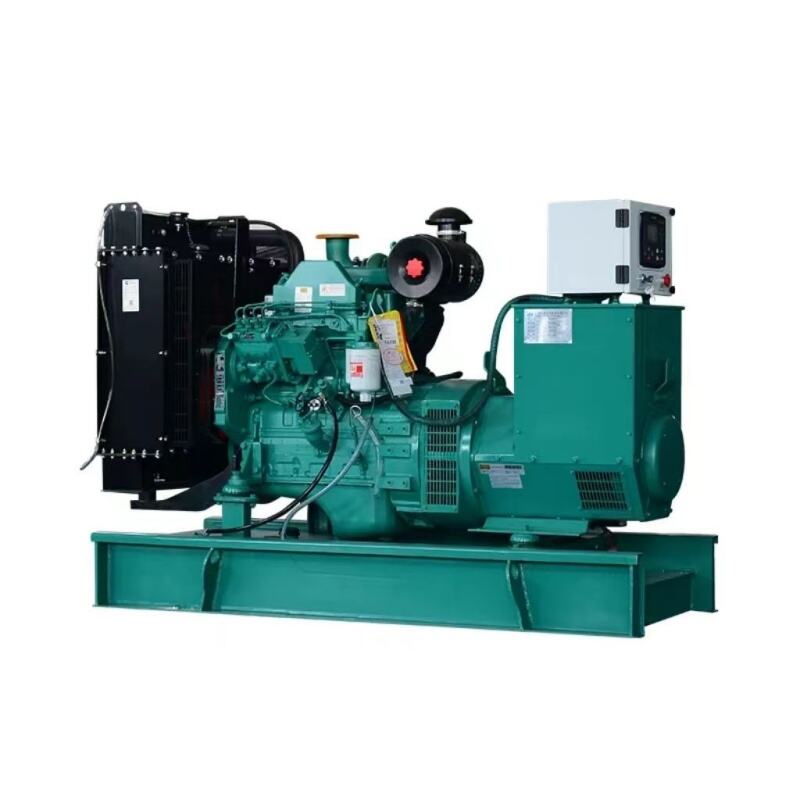
Contemporary emergency generator systems feature advanced remote monitoring and diagnostic capabilities that revolutionize maintenance practices and operational reliability through real-time system oversight and predictive maintenance technologies. The comprehensive monitoring system collects data from numerous sensors throughout the emergency generator system, including engine parameters, electrical output characteristics, fuel system status, cooling system temperatures, and environmental conditions. This continuous data collection enables the creation of detailed operational histories that support predictive maintenance scheduling and performance optimization strategies. The remote monitoring platform provides instant notifications via email, text messaging, or mobile applications when the emergency generator system experiences alarms, requires maintenance, or operates outside normal parameters. Facility managers can access detailed system information from any internet-connected device, viewing real-time operating data, historical trends, and maintenance schedules without physically visiting the generator location. The diagnostic capabilities include advanced fault analysis that identifies potential problems before they cause system failures, reducing emergency service calls and preventing costly downtime. Many emergency generator systems incorporate machine learning algorithms that analyze operational patterns and environmental factors to predict optimal maintenance intervals and identify components approaching end-of-life conditions. The remote monitoring system maintains comprehensive logs of all system events, including startup sequences, load applications, alarm conditions, and maintenance activities, supporting warranty claims and regulatory compliance documentation. Integration capabilities allow the emergency generator system monitoring to connect with building automation systems, energy management platforms, and facility management software, providing centralized oversight of all building systems. The diagnostic features include automated testing protocols that verify system readiness through scheduled exercise cycles, load bank testing, and component verification procedures. Advanced systems provide detailed analysis of power quality parameters, helping identify electrical system problems that could affect connected equipment or overall facility operations. The remote monitoring platform generates automated reports for management review, regulatory submissions, and maintenance planning purposes, reducing administrative workload while ensuring comprehensive documentation. These sophisticated monitoring and diagnostic capabilities transform the emergency generator system from a passive backup power source into an intelligent, self-monitoring asset that maximizes reliability while minimizing operational costs and maintenance requirements.
 EN
EN