diesel generator efficiency
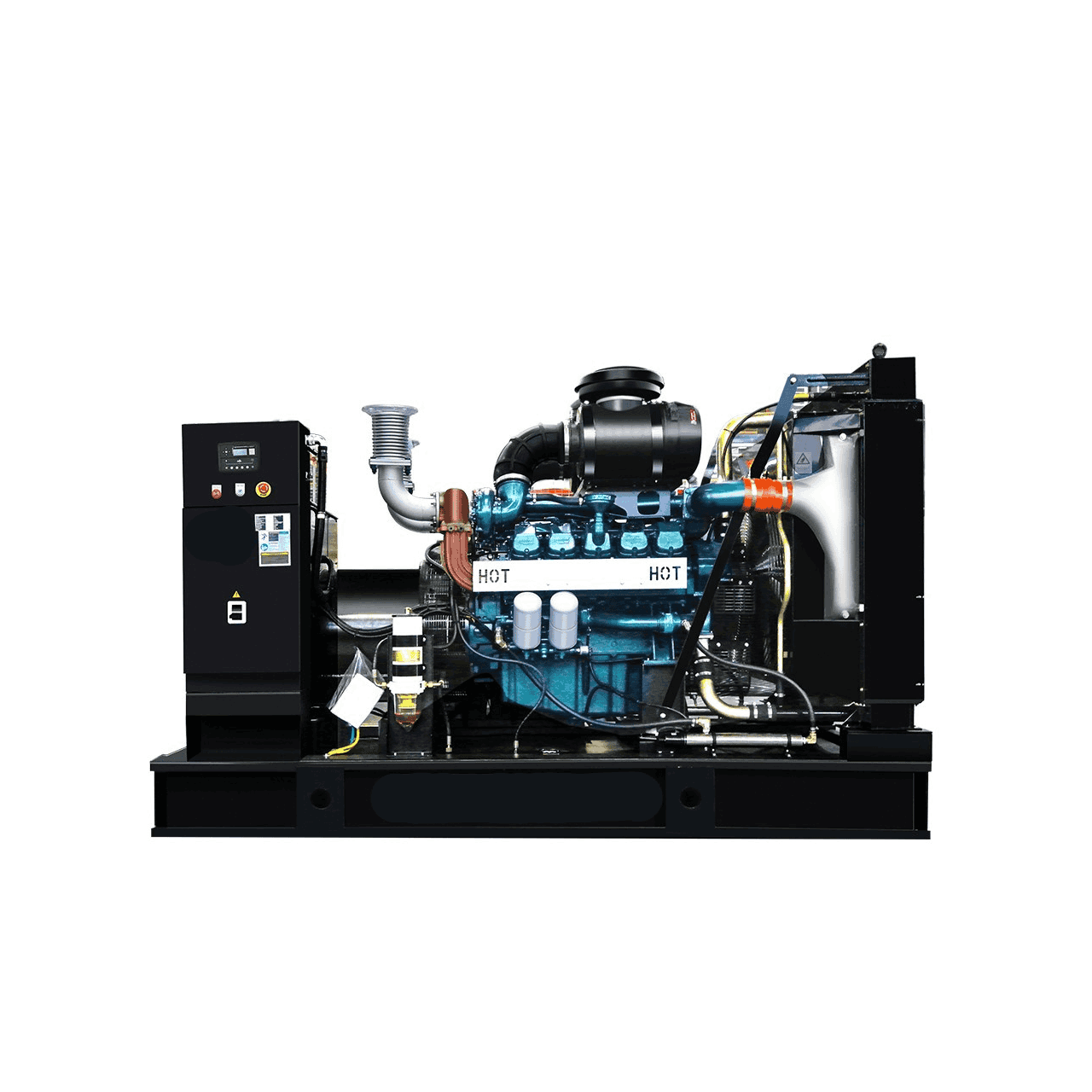
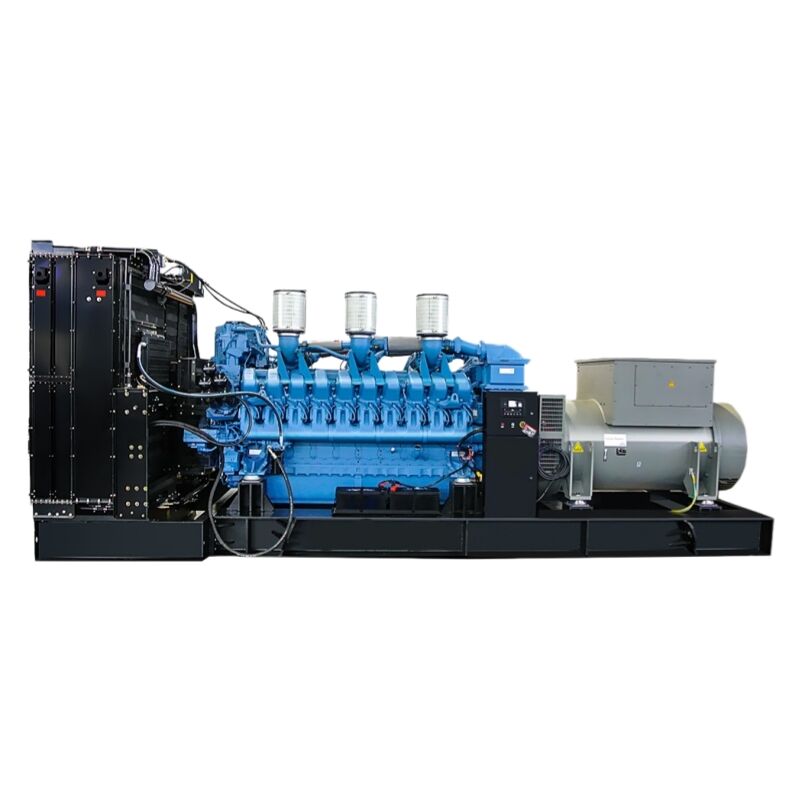
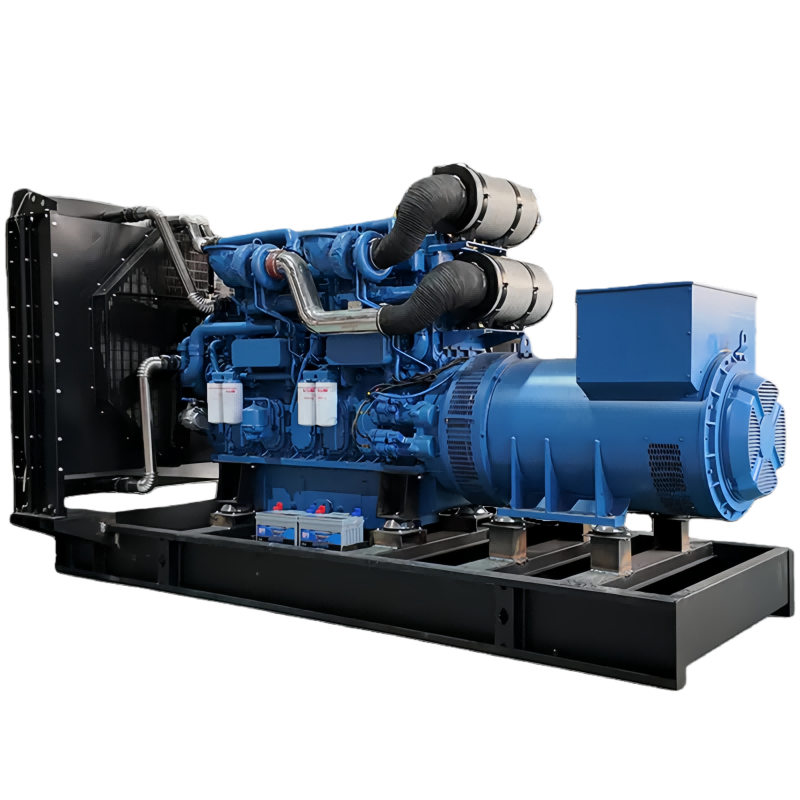
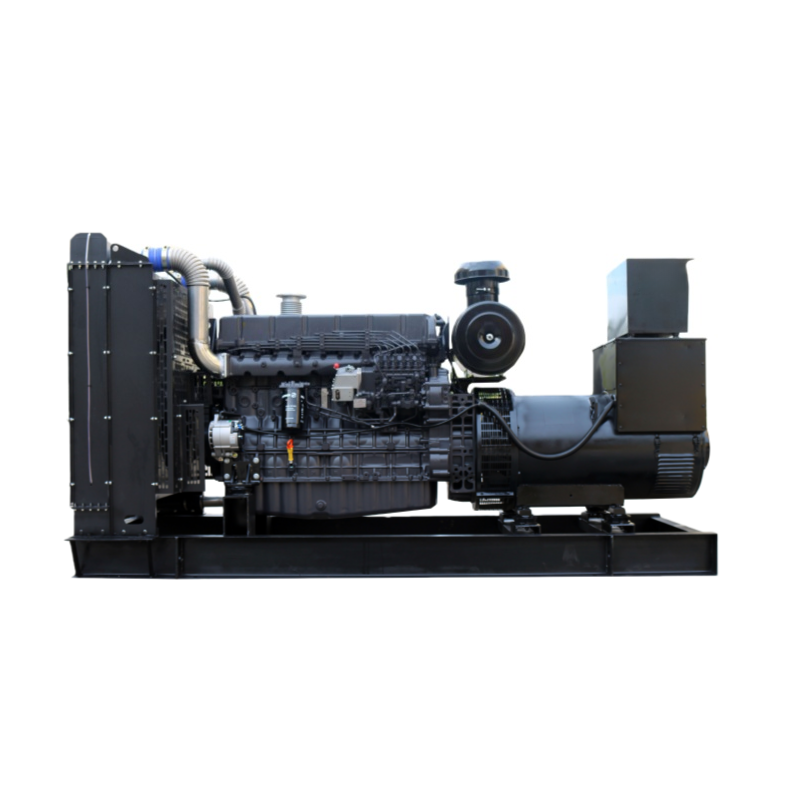
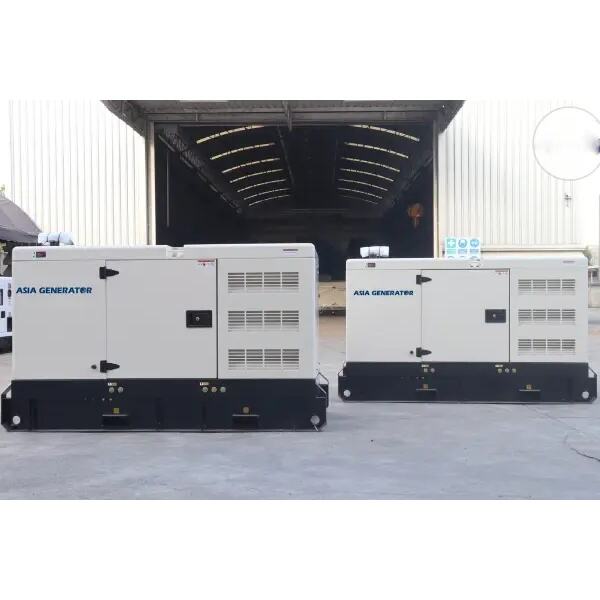
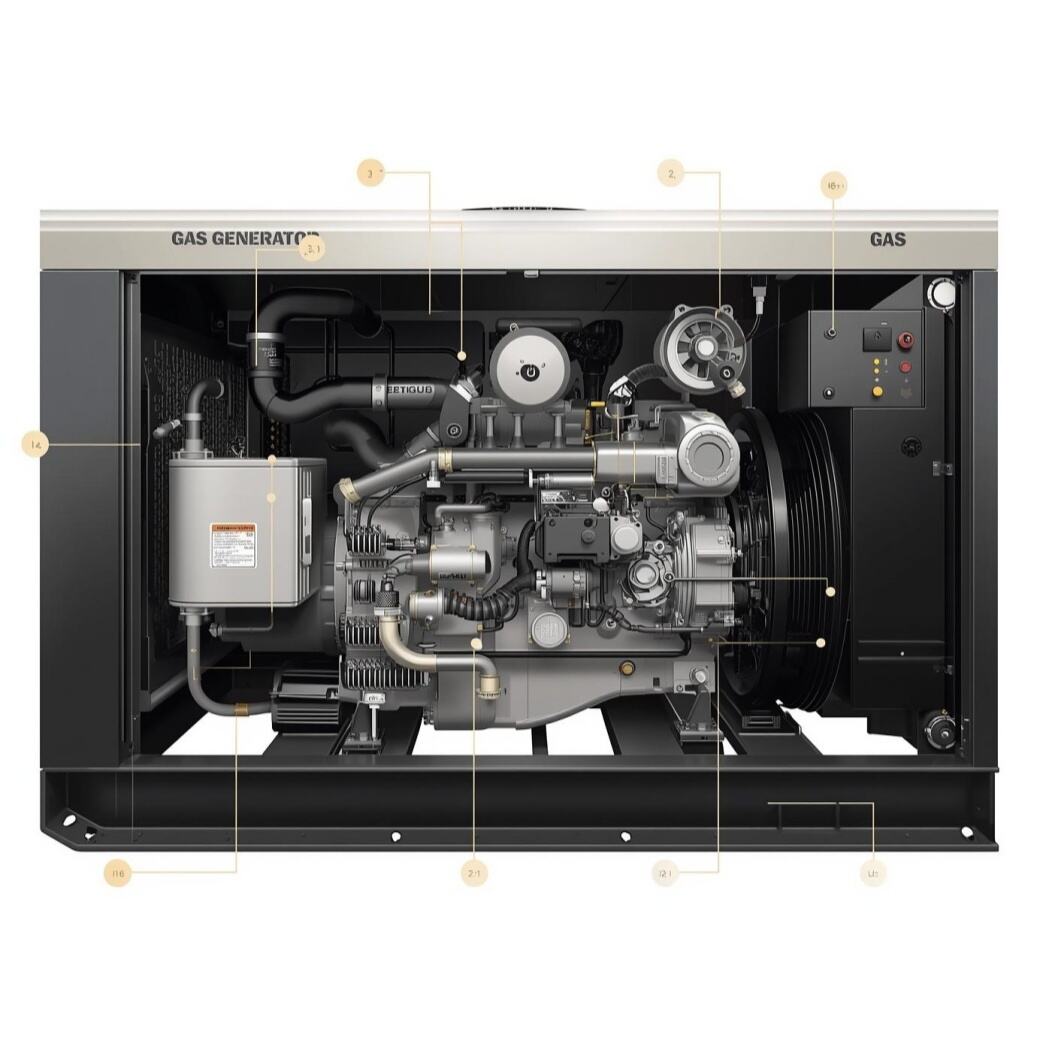
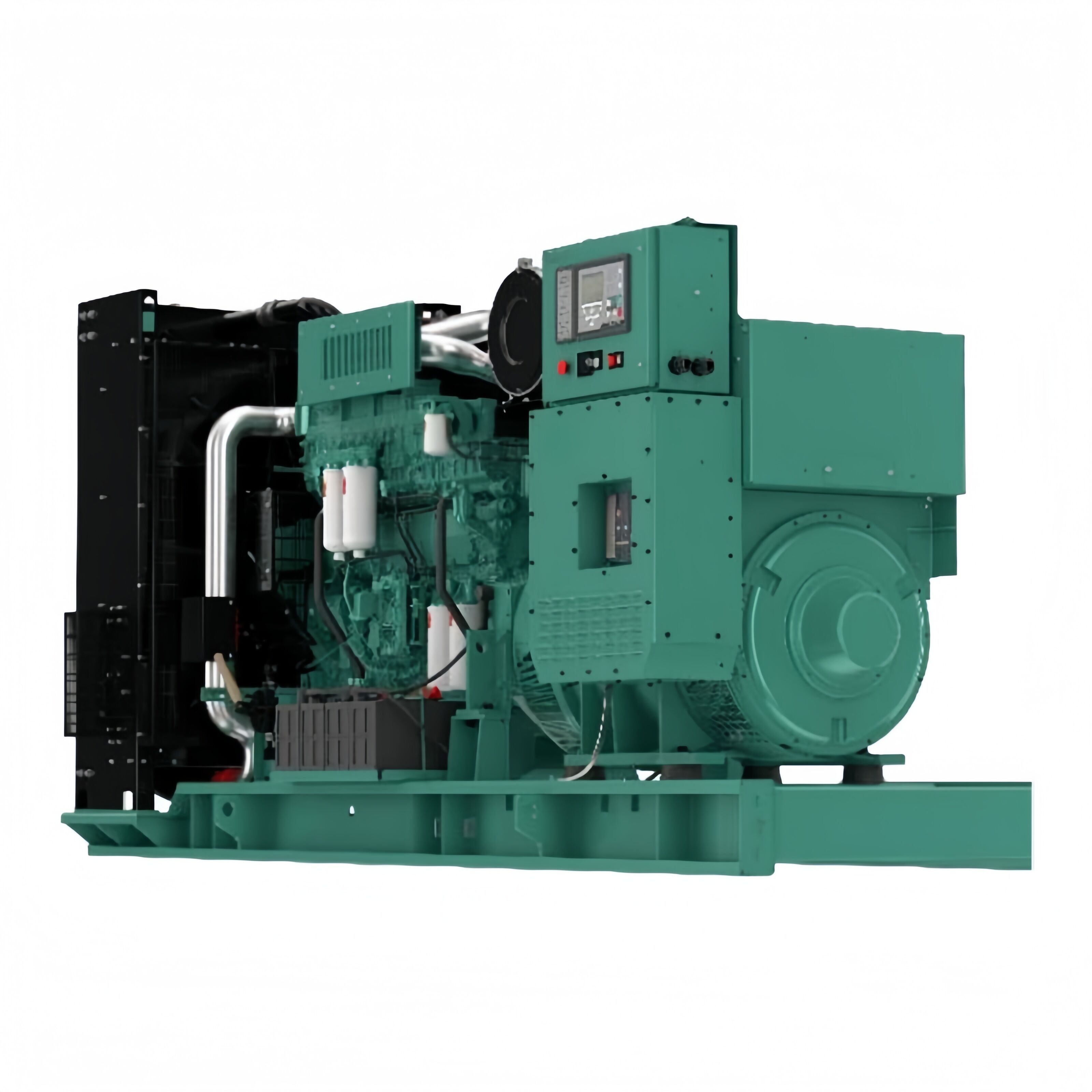
Diesel generator efficiency represents the critical performance metric that determines how effectively these power systems convert fuel into electrical energy. Modern diesel generators demonstrate exceptional efficiency rates, typically ranging from 35% to 45%, making them superior to many alternative power generation technologies. The primary function of diesel generator efficiency involves maximizing electrical output while minimizing fuel consumption, operational costs, and environmental impact. These sophisticated power systems incorporate advanced fuel injection technologies, turbocharging mechanisms, and electronic control units that optimize combustion processes for peak performance. The technological features enhancing diesel generator efficiency include common rail fuel injection systems that deliver precise fuel quantities at optimal timing, variable geometry turbochargers that maintain consistent air-fuel ratios across different load conditions, and intelligent load management systems that automatically adjust engine parameters based on power demand. Advanced cooling systems prevent overheating while maintaining optimal operating temperatures for maximum efficiency. Electronic governors provide precise speed control, ensuring stable frequency output regardless of load variations. Applications for high-efficiency diesel generators span across industrial facilities, hospitals, data centers, construction sites, residential backup power systems, and remote locations where grid connectivity remains unavailable. These versatile power solutions serve as primary power sources in off-grid locations, emergency backup systems for critical infrastructure, and temporary power supplies for events or construction projects. The efficiency of diesel generators directly impacts operational economics, with higher efficiency translating to reduced fuel consumption, lower operating costs, and decreased carbon emissions. Modern diesel generator efficiency improvements result from decades of technological advancement in engine design, fuel system optimization, and electronic control integration, making these systems increasingly attractive for businesses and organizations seeking reliable, cost-effective power solutions.
 EN
EN