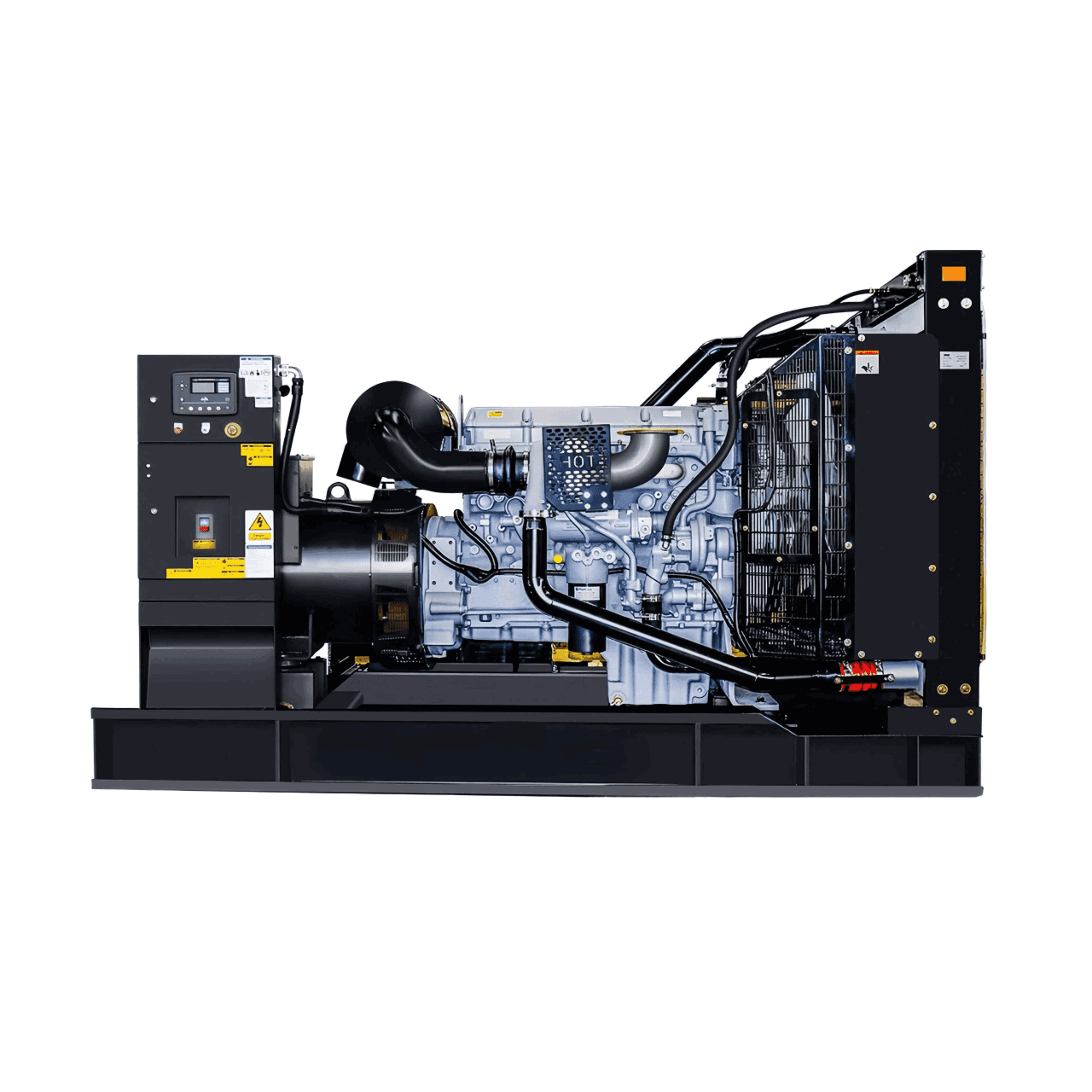
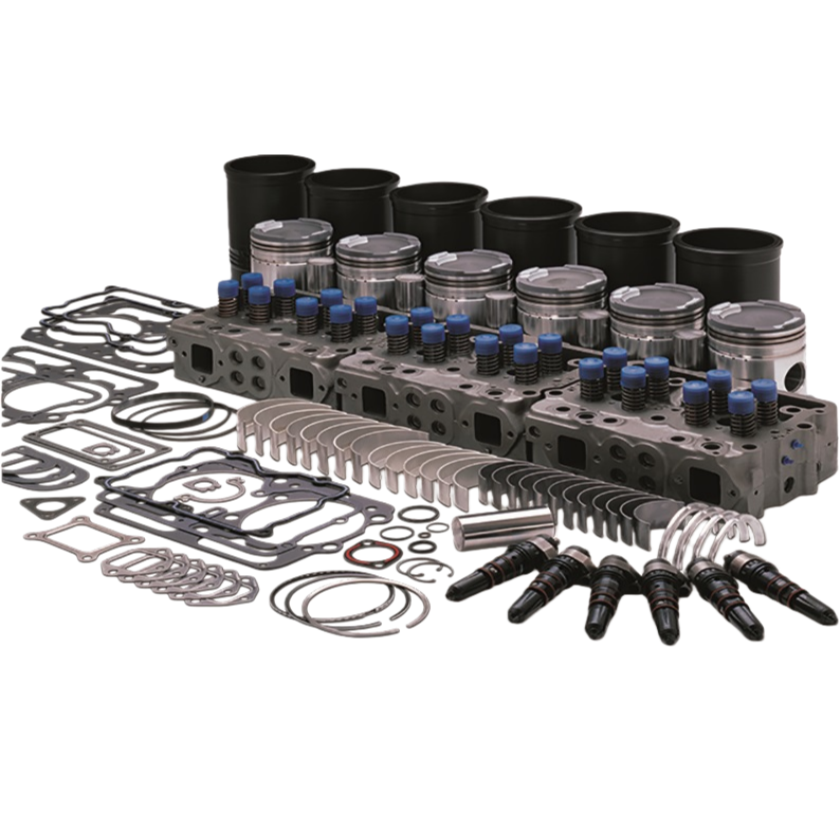
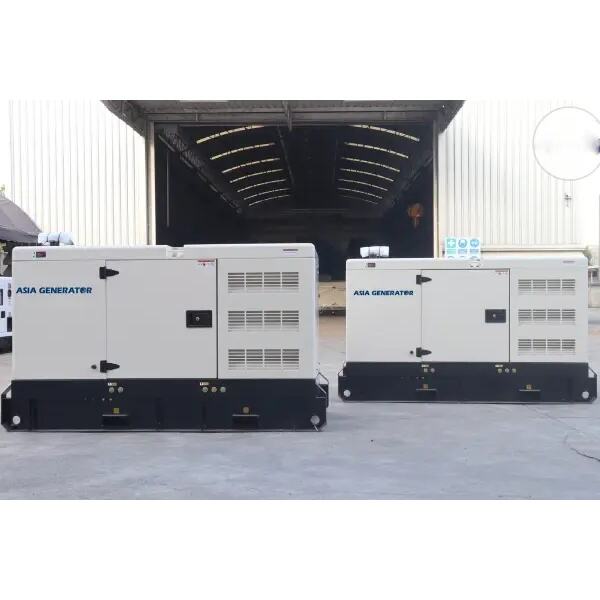
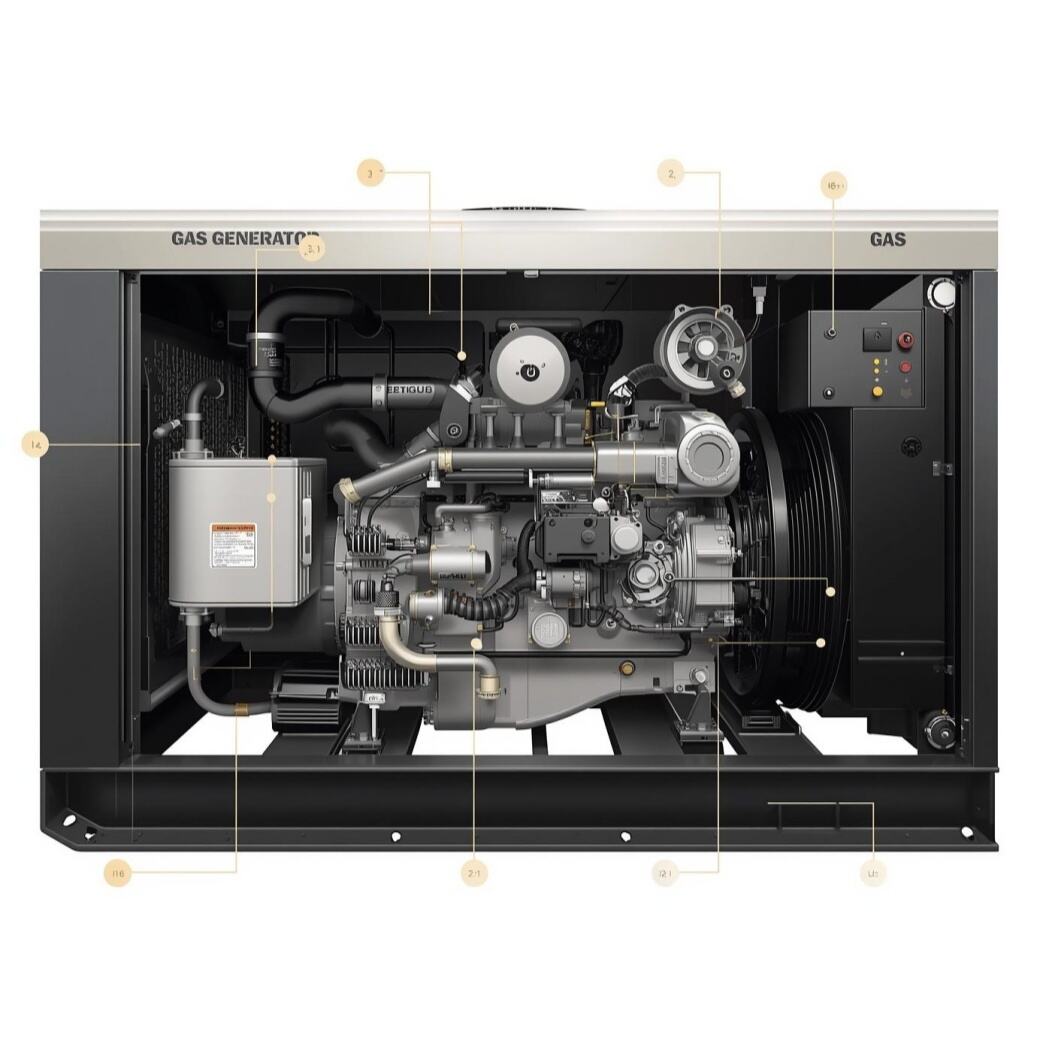
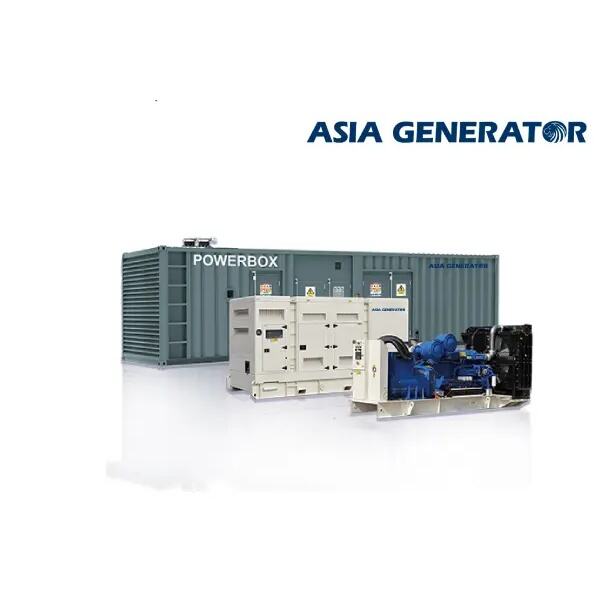
Professional Backup Power Supply Solutions - Reliable Emergency Power Systems for Business Continuity

All Categories

Get a Free Quote

Our representative will contact you soon.
Email
Name
Tel/WhatsApp
Company Name
Message
0/1000

backup power supply

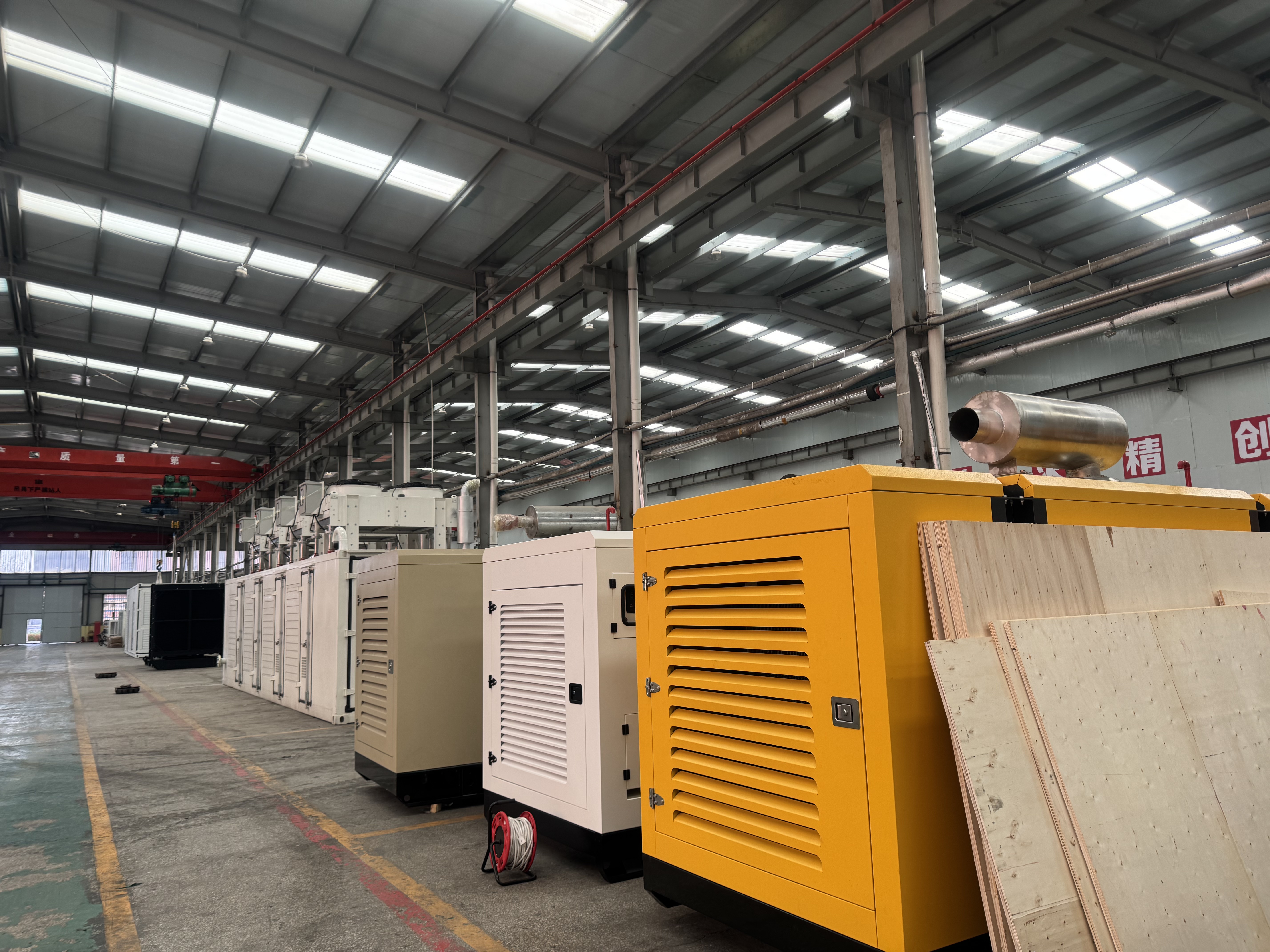
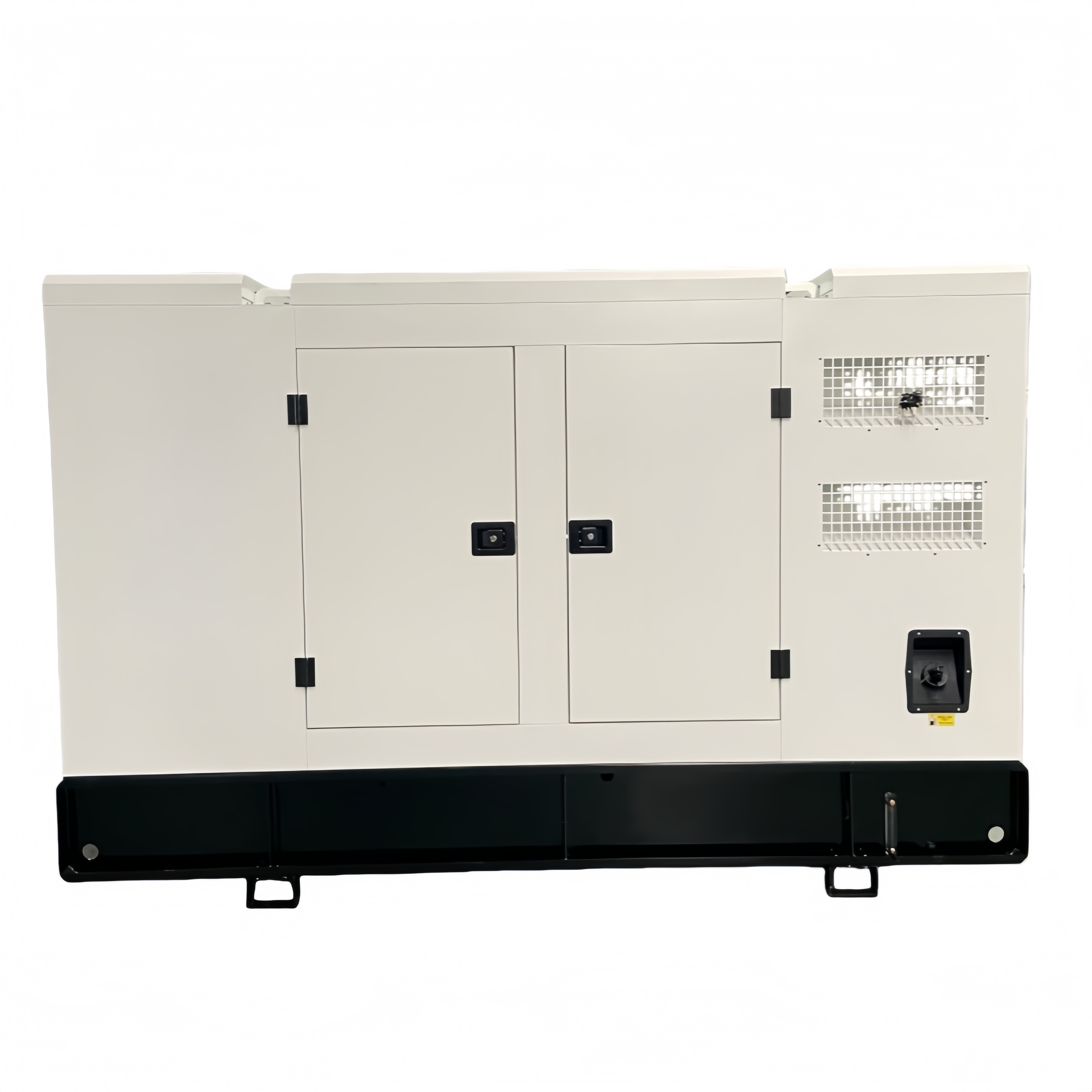
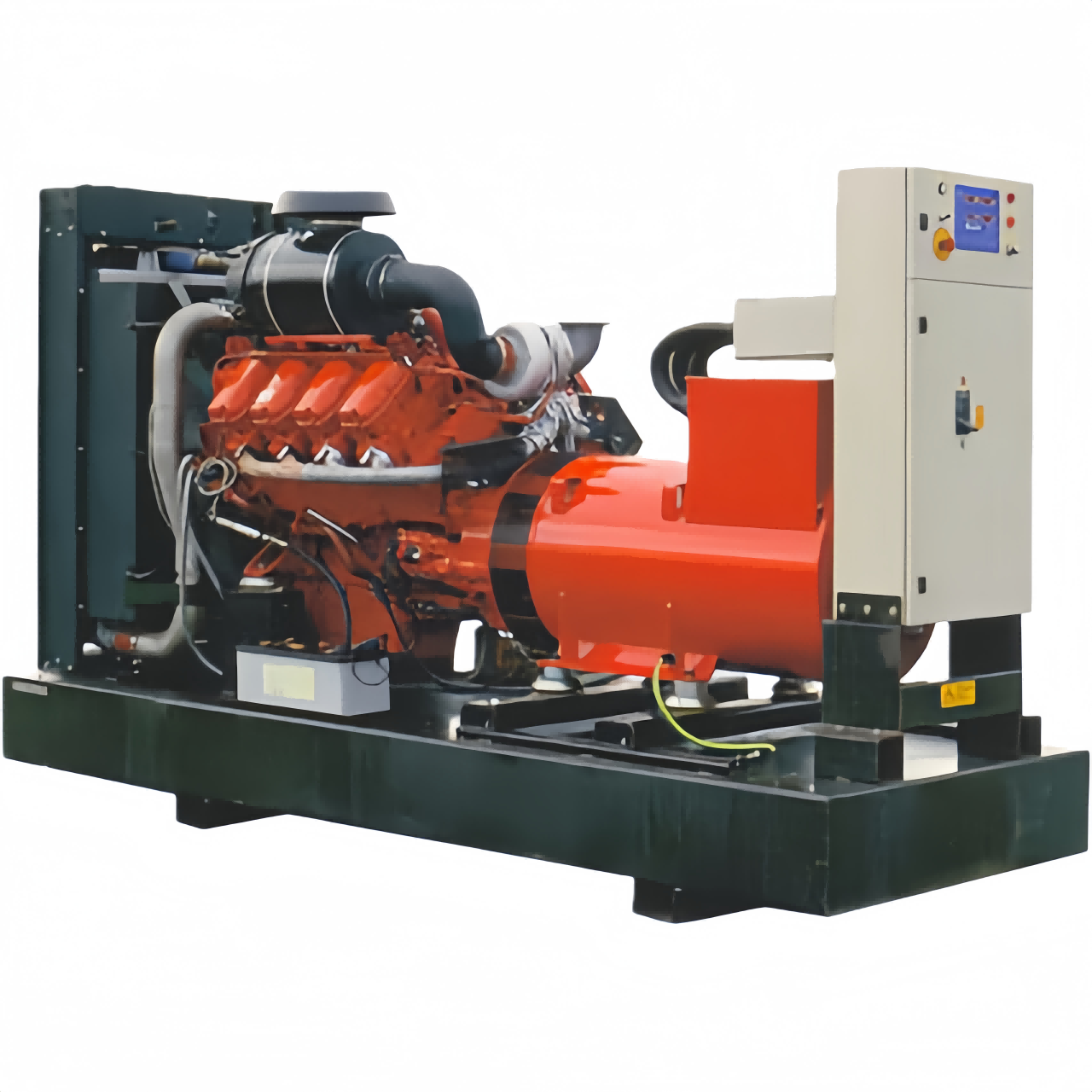
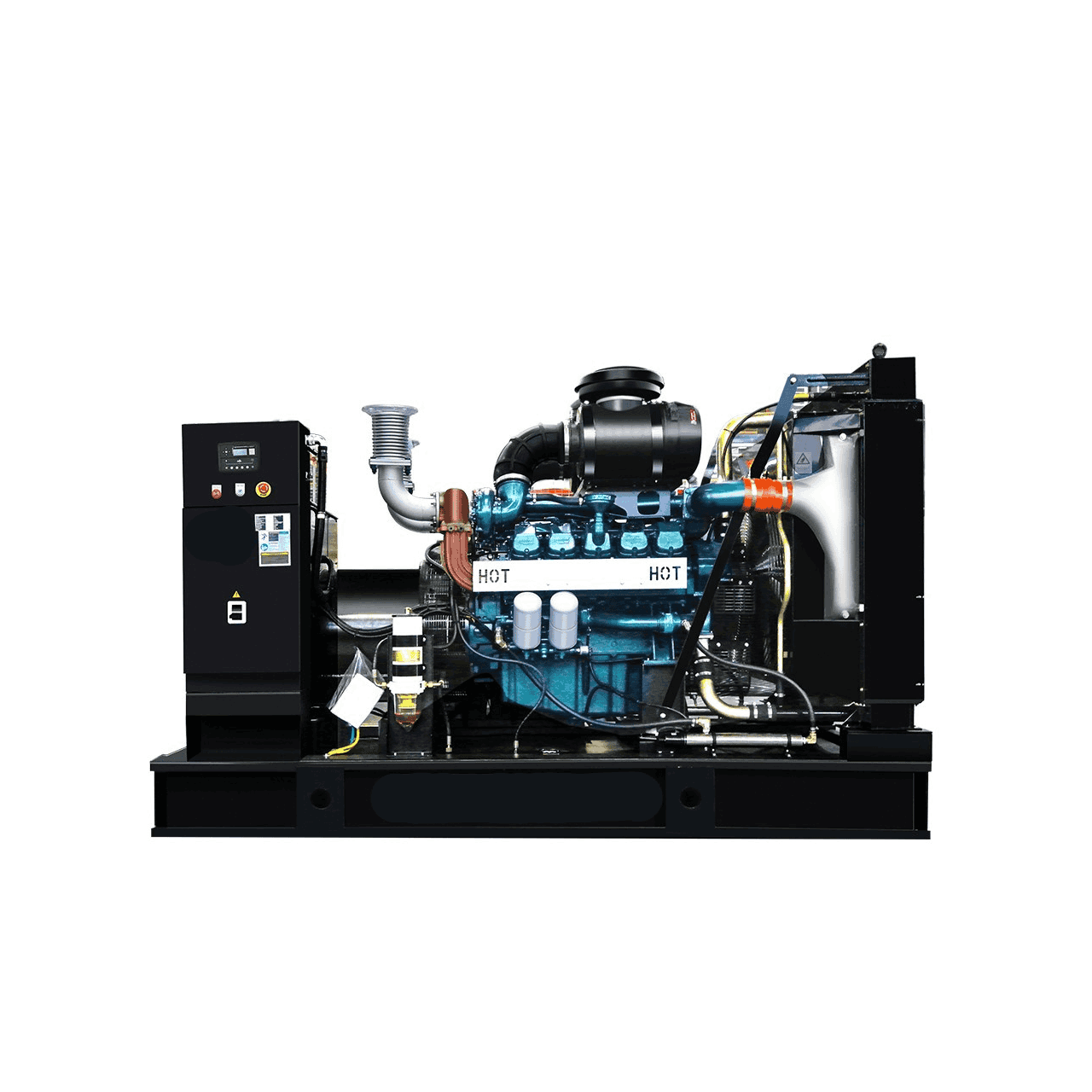
A backup power supply serves as a critical safeguard against electrical disruptions, providing immediate power when the main electrical supply fails or becomes unstable. These systems function as emergency power sources that automatically activate during outages, ensuring continuous operation of essential equipment and preventing costly downtime. Modern backup power supply solutions incorporate advanced battery technology, intelligent switching mechanisms, and sophisticated monitoring systems to deliver reliable performance when it matters most. The primary function of a backup power supply involves storing electrical energy during normal operation and instantly releasing this power when grid electricity becomes unavailable. These systems utilize various technologies including lithium-ion batteries, lead-acid batteries, and fuel cells, each offering distinct advantages depending on the application requirements. Smart inverter technology converts stored DC power into clean AC electricity, maintaining consistent voltage and frequency levels that protect sensitive electronic devices. Contemporary backup power supply units feature automatic transfer switches that detect power interruptions within milliseconds, ensuring seamless transition without disrupting connected equipment. Advanced models incorporate remote monitoring capabilities, allowing users to track system status, battery health, and power consumption through mobile applications or web interfaces. The technological sophistication extends to predictive maintenance features that alert users about potential issues before they become critical problems. Applications for backup power supply systems span across residential, commercial, and industrial sectors. Homeowners rely on these systems to maintain essential services during storms or grid failures, powering refrigerators, medical devices, and communication equipment. Businesses utilize backup power supply solutions to protect computer systems, maintain security systems, and ensure continuous operations during electrical emergencies. Healthcare facilities depend on these systems for life-support equipment, while data centers require uninterrupted power to prevent data loss and maintain server operations. Manufacturing plants use backup power supply systems to protect expensive machinery and maintain production schedules during power disturbances.

New Products

The primary advantage of implementing a backup power supply lies in its ability to eliminate costly business interruptions and protect valuable equipment from power-related damage. When the main electrical supply fails, these systems activate instantly, maintaining normal operations without the delays and complications associated with manual generators or alternative power sources. This immediate response capability prevents data loss in computer systems, maintains temperature control for sensitive materials, and ensures continuous operation of critical safety systems. Financial benefits extend beyond preventing immediate losses, as backup power supply systems reduce insurance premiums and demonstrate business continuity planning to stakeholders and customers. The automatic operation of modern backup power supply units eliminates the need for manual intervention during emergencies, reducing human error and ensuring consistent performance regardless of the time or circumstances of the power failure. Unlike traditional generators that require fuel storage and regular maintenance, battery-based backup power supply systems operate silently and produce zero emissions, making them suitable for indoor installation and environmentally sensitive locations. The compact design of contemporary backup power supply solutions allows for flexible installation in limited spaces, while modular configurations enable scalable expansion as power requirements grow. These systems provide clean, stable electricity that protects sensitive electronics from voltage fluctuations and power quality issues that commonly occur during utility power restoration. Advanced backup power supply units offer intelligent load management, prioritizing critical equipment and extending backup duration by reducing power consumption for non-essential devices. The integration of smart technology enables remote monitoring and control, allowing users to receive real-time notifications about system status and power events through smartphone applications or computer interfaces. This connectivity facilitates proactive maintenance scheduling and helps identify potential issues before they impact system performance. Modern backup power supply systems feature extended battery life through optimized charging algorithms and temperature management, reducing replacement costs and minimizing maintenance requirements. The reliability of these systems surpasses traditional backup solutions, with many units providing years of dependable service with minimal attention. Installation simplicity represents another significant advantage, as most backup power supply units require basic electrical connections without complex fuel systems or extensive ventilation requirements. The quiet operation makes these systems ideal for office environments, residential applications, and locations where noise restrictions apply, contrasting sharply with the disruptive nature of combustion-based generators.

Tips And Tricks

How Noise Is A Silent Type Generator Set?

09

Dec

How Noise Is A Silent Type Generator Set?

View More
How Does a Gas Generator Work?

09

Dec

How Does a Gas Generator Work?

View More
What Is The Difference between Open Generator And Silent Generator?

09

Dec

What Is The Difference between Open Generator And Silent Generator?

View More

Get a Free Quote

Our representative will contact you soon.
Email
Name
Tel/WhatsApp
Company Name
Message
0/1000

backup power supply

Instantaneous Power Transfer Technology

Instantaneous Power Transfer Technology

The cornerstone feature of modern backup power supply systems is their instantaneous power transfer capability, which represents a revolutionary advancement in emergency power technology. This sophisticated mechanism ensures that connected equipment experiences absolutely no interruption when transitioning from utility power to backup power, maintaining seamless operation even during the most critical moments. The technology relies on advanced electronic switching systems that monitor incoming utility power thousands of times per second, detecting even the slightest variations in voltage, frequency, or power quality that could indicate an impending failure. When these monitoring systems identify a power anomaly or complete outage, they trigger an immediate response that activates the backup power supply within milliseconds, faster than most electronic devices can detect the interruption. This rapid response time is crucial for sensitive equipment such as computer servers, medical devices, and industrial control systems that cannot tolerate even brief power interruptions without experiencing data corruption, system failures, or safety hazards. The instantaneous transfer technology incorporates intelligent algorithms that distinguish between temporary power fluctuations and genuine outages, preventing unnecessary switching that could reduce battery life or create system instability. Advanced backup power supply units feature dual-path power conditioning that continuously filters and regulates electricity even when utility power appears normal, providing superior protection against voltage spikes, surges, and harmonic distortion that can damage expensive equipment over time. The seamless operation extends to the restoration process, where the system automatically switches back to utility power once stable electricity returns, again without any interruption to connected devices. This bidirectional switching capability includes sophisticated synchronization technology that ensures perfect phase alignment between backup power and returning utility power, preventing the electrical conflicts that could damage equipment during the transition. The instantaneous power transfer technology also incorporates fail-safe mechanisms that protect both the backup power supply system and connected equipment in the event of internal component failures or external electrical faults. These protective features include automatic isolation circuits, surge suppressors, and thermal management systems that maintain optimal operating conditions under all circumstances.
Intelligent Battery Management System

Intelligent Battery Management System

The intelligent battery management system represents the technological heart of modern backup power supply solutions, incorporating advanced algorithms and monitoring capabilities that maximize battery performance, extend operational life, and ensure reliable power delivery when needed most. This sophisticated system continuously monitors individual battery cells, tracking voltage, temperature, current flow, and internal resistance to maintain optimal charging conditions and prevent the degradation that commonly affects traditional battery systems. The intelligent management technology employs multi-stage charging algorithms that adapt to different battery chemistries and environmental conditions, ensuring that each battery cell receives precisely the correct charging current and voltage throughout its operational life. This precision charging prevents overcharging damage while ensuring batteries remain at peak capacity for extended periods, significantly reducing replacement costs and maintenance requirements compared to conventional backup power supply systems. Advanced battery management systems incorporate predictive analytics that analyze historical performance data to forecast battery health and remaining useful life, enabling proactive replacement scheduling that prevents unexpected failures during critical power events. The system provides detailed diagnostic information through user-friendly interfaces, allowing operators to monitor battery status, charging cycles, and performance trends without requiring specialized technical knowledge. Temperature compensation features automatically adjust charging parameters based on ambient conditions, ensuring optimal battery performance across wide temperature ranges while preventing thermal damage that can occur in extreme environments. The intelligent battery management system also includes sophisticated load balancing capabilities that distribute power demand evenly across multiple battery strings, preventing individual batteries from becoming stressed or depleted faster than others in the system. Safety protection features monitor for dangerous conditions such as thermal runaway, short circuits, or excessive discharge, automatically isolating affected components and maintaining system operation with remaining healthy batteries. Remote monitoring capabilities enable real-time status reporting through internet connectivity, allowing facility managers to track backup power supply performance from anywhere while receiving immediate notifications about potential issues. The system maintains detailed event logs that record all power events, battery performance metrics, and system operations, providing valuable data for optimizing backup power supply configuration and planning future capacity requirements.
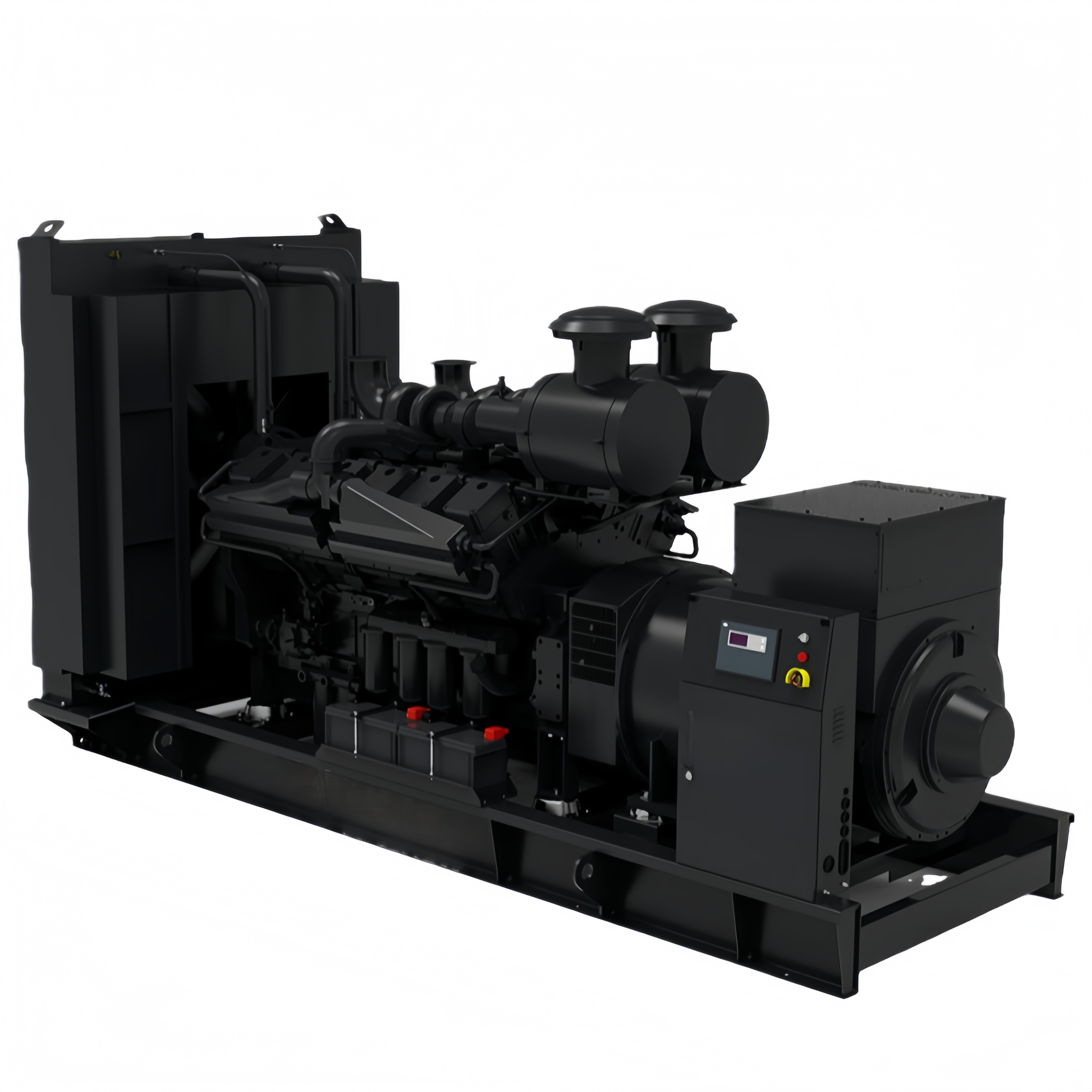
Scalable Modular Design Architecture

Scalable Modular Design Architecture

The scalable modular design architecture of contemporary backup power supply systems provides unprecedented flexibility and cost-effectiveness for organizations with evolving power protection needs, allowing for seamless expansion and customization without requiring complete system replacement. This innovative approach breaks away from traditional monolithic backup power supply designs by utilizing standardized modules that can be combined in various configurations to meet specific capacity requirements and future growth projections. Each module operates independently while contributing to the overall system capacity, ensuring that partial failures do not compromise the entire backup power supply system and allowing for maintenance or replacement of individual components without shutting down power protection for connected equipment. The modular architecture enables precise capacity matching, where organizations can install exactly the backup power supply capacity they need today while maintaining the flexibility to add additional modules as power requirements increase due to business growth, equipment additions, or expanded operations. This approach eliminates the waste and inefficiency associated with purchasing oversized systems or the disruption and expense of replacing undersized backup power supply units as needs evolve. The standardized module design also simplifies maintenance and reduces inventory requirements, as organizations can stock fewer spare parts while maintaining comprehensive service capabilities for their entire backup power supply infrastructure. Installation flexibility represents another significant advantage of modular design, as modules can be distributed across multiple locations within a facility or consolidated in a central location depending on power distribution requirements and space constraints. The hot-swappable nature of many modular backup power supply systems allows for maintenance and expansion activities to occur during normal business hours without disrupting critical operations or requiring expensive downtime scheduling. Advanced modular systems incorporate intelligent load sharing technology that automatically distributes power demands across available modules, optimizing efficiency and extending component life while maintaining consistent power quality for all connected loads. The parallel operation capability ensures redundancy at the module level, where backup power supply systems can continue operating even if individual modules fail, providing additional reliability beyond single-unit designs. Economic benefits of modular architecture extend throughout the system lifecycle, from lower initial capital investment through reduced operating costs and simplified upgrade paths that protect technology investments while accommodating changing business requirements over time.
Professional Backup Power Supply Solutions - Reliable Emergency Power Systems for Business Continuity

Get a Free Quote

Our representative will contact you soon.
Email
Name
Tel/WhatsApp
Company Name
Message
0/1000