EN
EN


A Comprehensive Analysis of Diesel Generator Sets
Time : 2026-05-20
From Principles to Selection, Understanding the Core Guarantee of Stable Power
In modern society, stable power is no longer just a basic utility—it is a critical lifeline that ensures the safe and continuous operation of essential industries. Whether in industrial production, data centers, hospitals, mines, oil fields, or transportation hubs, electricity directly impacts efficiency, safety, and financial outcomes. Once a power outage occurs, the consequences can range from production downtime and data loss to equipment damage and even life-threatening situations in critical facilities.
For this reason, diesel generator sets are not merely backup equipment. They serve as a vital safeguard, ensuring uninterrupted operations and protecting businesses from costly disruptions. In many industries, they are the final line of defense when the main power grid fails.
From Principles to Core: How Generators Operate Stably
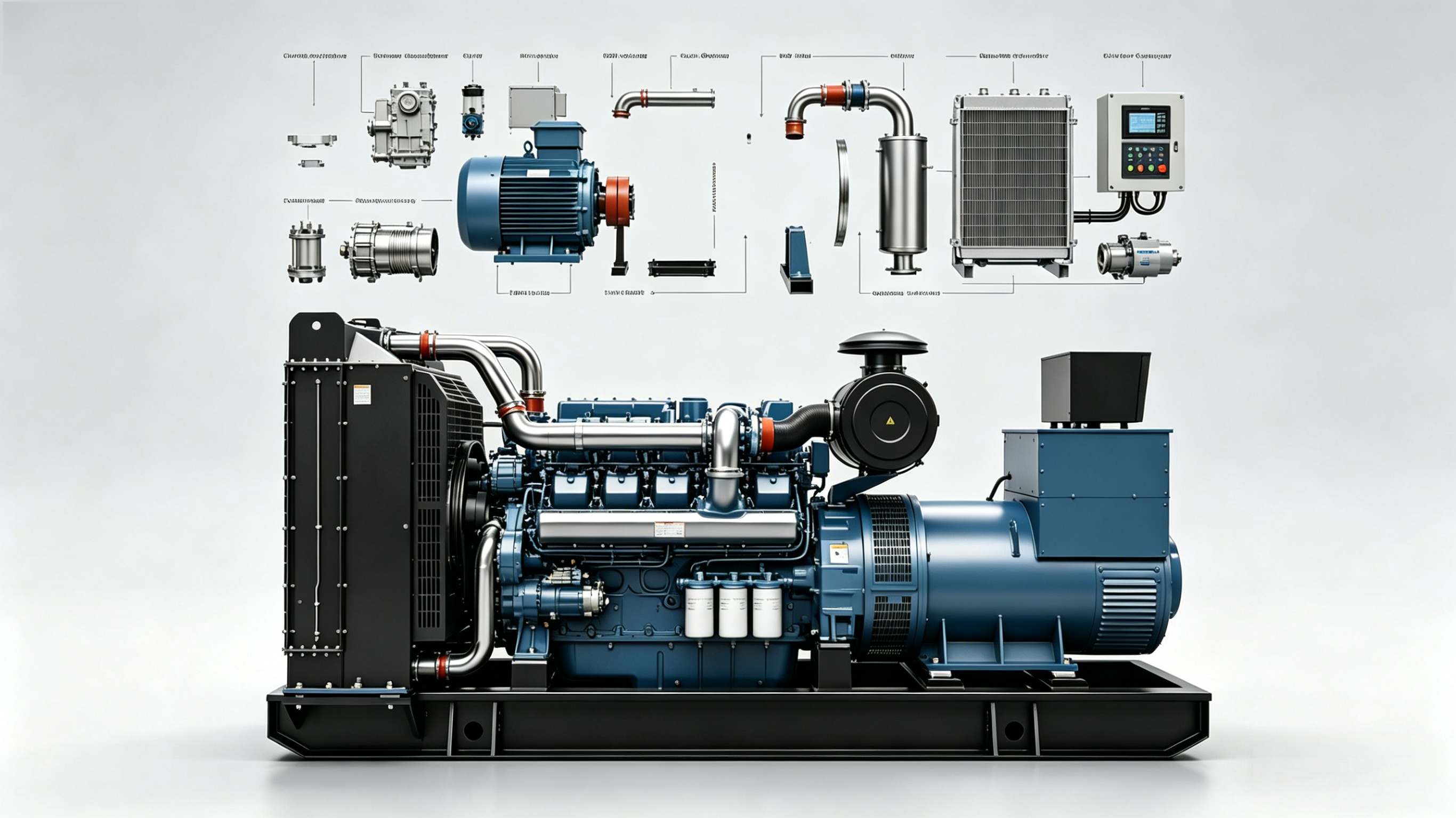
The working principle of a diesel generator set is relatively straightforward, yet highly efficient. Diesel fuel is combusted inside the engine, generating mechanical energy that drives the rotor to rotate at high speed. Through electromagnetic induction, this mechanical energy is converted into electrical energy. The control system then regulates voltage and frequency to ensure a stable and usable power output.
However, stable operation is not achieved by a single component alone. It relies on the coordinated functioning of multiple systems, including fuel supply, air intake, lubrication, and cooling. These systems work together to maintain optimal performance, prevent overheating, and ensure long-term reliability—even under continuous or heavy-load conditions.
At the core of every high-quality generator set are three essential components. The engine determines the overall power output, fuel efficiency, and durability of the unit. The alternator (generator) is responsible for converting mechanical energy into electrical energy and directly affects voltage stability and power quality. The control system acts as the “brain,” enabling automatic start and stop, real-time monitoring, fault protection, and even remote operation in advanced configurations.
Only when these three components are properly matched and integrated can a generator set deliver consistent performance in demanding environments. Poor matching, on the other hand, often leads to instability, higher fuel consumption, and increased failure rates.
Selection and Application: Avoiding Pitfalls, Matching is Key
Choosing the right diesel generator set requires more than simply selecting a power rating. One of the most common misunderstandings lies in the distinction between prime power and standby power. Prime power is designed for continuous operation and can handle variable loads over long periods, making it suitable as a primary power source. Standby power, however, is intended only for emergency use during outages and should not be used for prolonged full-load operation. Misusing standby power as prime power can lead to overheating, excessive wear, and premature failure.
In addition to power ratings, several technical parameters must be carefully considered. Voltage and frequency must match local standards, such as 50Hz or 60Hz and different voltage levels depending on the region. Protection ratings determine whether the generator can operate safely in outdoor, dusty, or humid environments. Environmental conditions also play a significant role—high temperatures can reduce efficiency, high altitudes can decrease engine output due to lower oxygen levels, and extremely cold climates may affect starting performance.
Equally important is matching the generator configuration to its specific application. Industrial facilities often require generators capable of handling sudden load fluctuations and long operating hours. Data centers demand highly reliable systems with precise control and minimal downtime. Construction sites benefit from mobile, trailer-mounted units with strong dust resistance, while hospitals and commercial buildings prioritize low-noise, silent-type generators to maintain a comfortable environment.
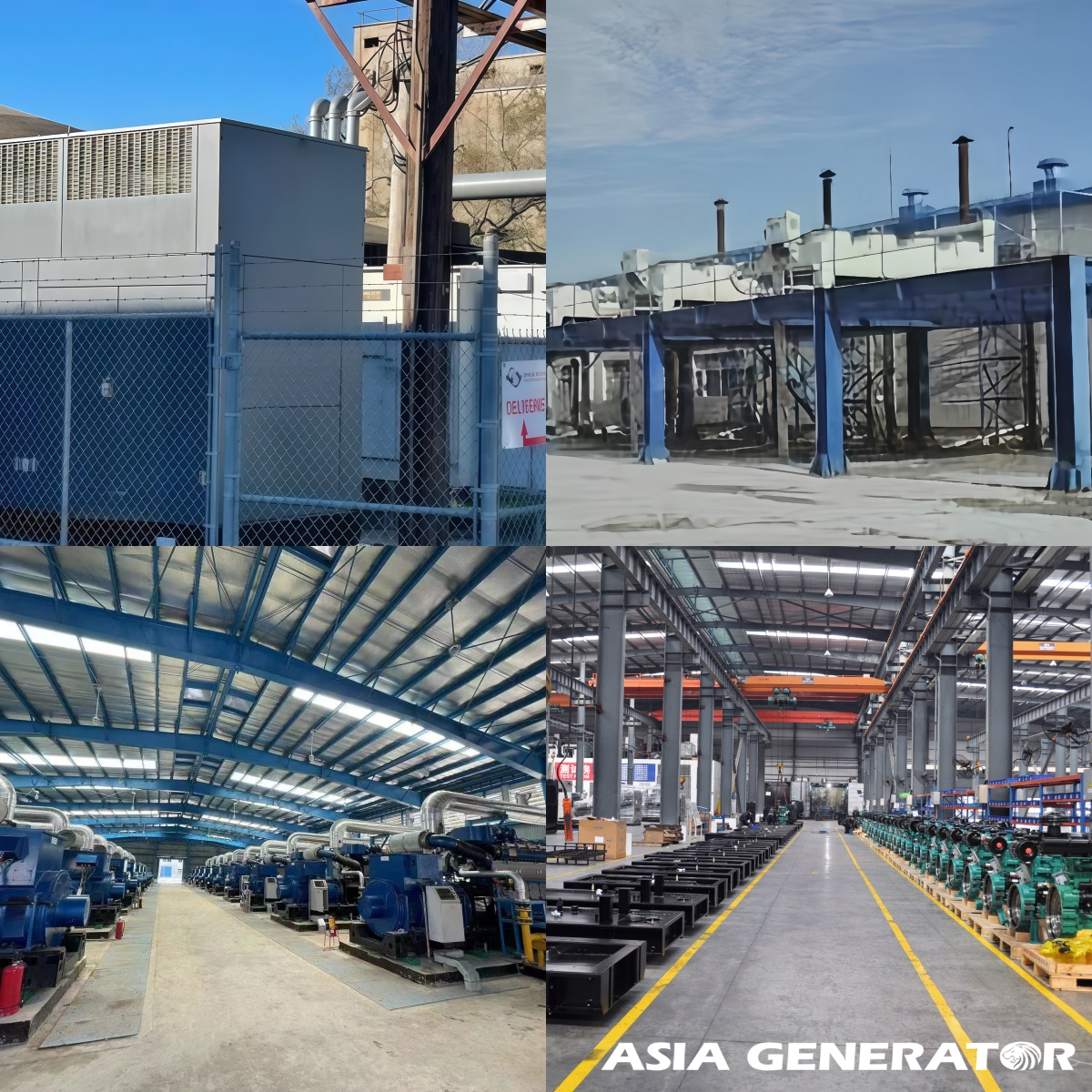
In more challenging conditions—such as coastal areas with high salt content, desert regions with heavy dust, or mining operations with extreme workloads—standard generator sets may not be sufficient. Enhanced designs with anti-corrosion coatings, improved cooling systems, and reinforced filtration are necessary to ensure durability and stable performance.
Usage and Maintenance: Key Details for Extending Lifespan
In practice, many generator failures are not caused by manufacturing defects, but by improper usage and lack of maintenance. Common issues include leaving the generator idle for long periods without testing, overloading small units, performing only minimal maintenance, or operating in poorly ventilated environments. Additionally, focusing solely on low purchase cost while neglecting quality often leads to higher long-term expenses.
Proper maintenance plays a crucial role in extending the lifespan and reliability of a generator set. Regular oil and filter changes, typically every 250 operating hours, help maintain engine health. Monthly test runs ensure that the generator can start and operate properly when needed. Keeping the cooling system clean and ensuring adequate ventilation prevents overheating, while proper storage during long shutdown periods protects internal components from degradation.
In harsh environments, maintenance becomes even more critical. Dust, moisture, and extreme temperatures can accelerate wear and reduce efficiency. In such cases, customized solutions—such as upgraded filtration systems, corrosion-resistant materials, and intelligent monitoring systems—can significantly improve performance and longevity compared to standard units.
Ultimately, a diesel generator set is far more than just a piece of equipment. It is a strategic asset that supports business continuity, safeguards operations, and reduces financial risks associated with power disruptions. By selecting the right configuration, using it correctly, and maintaining it properly, businesses can ensure a stable and reliable power supply under all conditions.
Reliable power means uninterrupted operations—and uninterrupted operations mean sustained growth and security.