 EN
EN

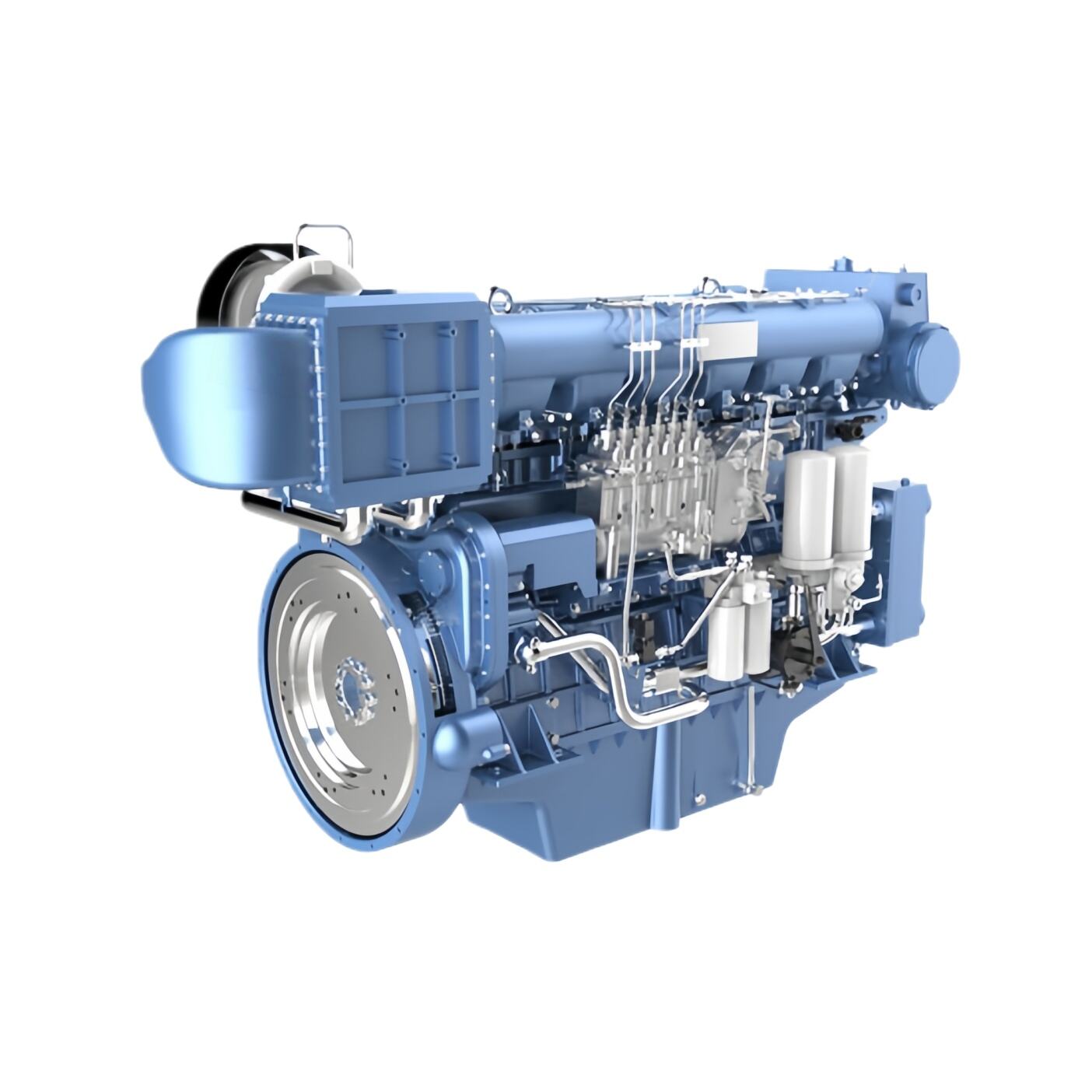
جہاز سازوں کو تجارتی جہازوں کے لیے سمندری جنریٹرز کے انتخاب کے وقت اہم فیصلے کرنے پڑتے ہیں، کیونکہ یہ طاقت کے نظام براہ راست آپریشنل قابلیتِ اعتماد، ایندھن کی موثریت اور ضابطہ جاتی مطابقت کو متاثر کرتے ہیں۔ جنریٹر کے انتخاب کا عمل متعدد تکنیکی، معاشی اور آپریشنل عوامل کا جائزہ لینے پر مشتمل ہوتا ہے جو جہاز کی قسم، آپریشنل پروفائل اور طاقت کی ضروریات کے مطابق کافی حد تک مختلف ہوتے ہیں۔ یہ سمجھنا کہ تجربہ کار جہاز ساز اس انتخابی عمل کو کس طرح اپناتے ہیں، اس بات کو ظاہر کرتا ہے کہ بہترین طاقت کے نظام کی کارکردگی کو جہاز کے پورے آپریشنل زندگی کے دوران یقینی بنانے کے لیے کتنے پیچیدہ انجینئرنگ غور و خوض کیے جاتے ہیں۔
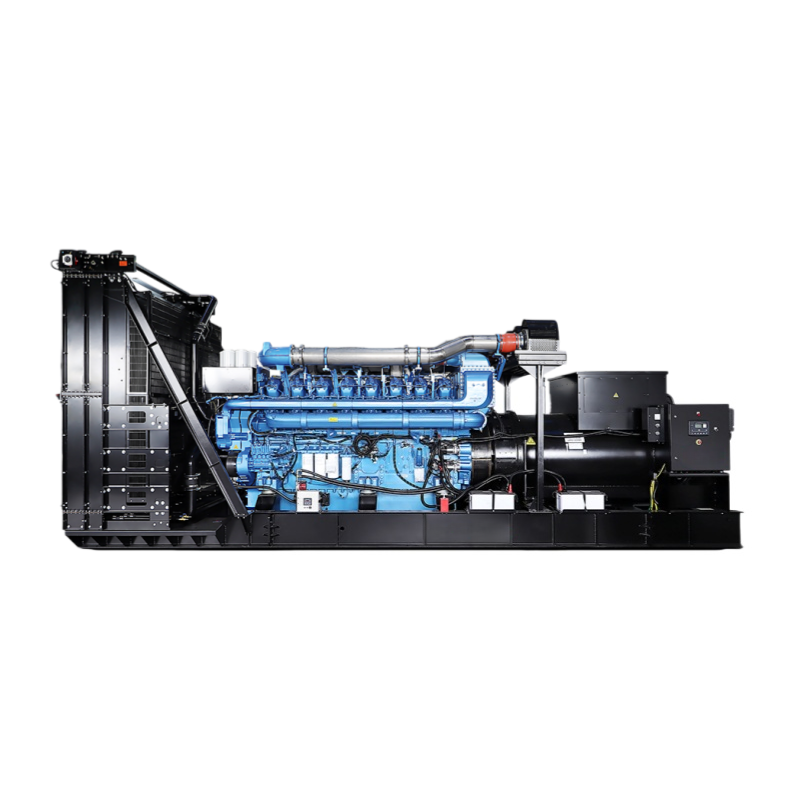
پیشہ ورانہ جہاز سازوں کے ذریعہ استعمال کردہ بحری جنریٹر کے انتخاب کا طریقہ کار طاقت کی ضروریات، ماحولیاتی حالات، جگہ کی پابندیوں اور مرمت کی ضروریات کے جامع تجزیہ پر مبنی ہوتا ہے۔ جدید تجارتی جہازوں کو حرکت کے نظام، ناوتیکی آلات، بوجھ کی افزودگی کے مشینری اور عملے کی رہائش کے لیے قابل اعتماد بجلائی طاقت کی ضرورت ہوتی ہے، جس کی وجہ سے جنریٹر کے انتخاب کو جہاز کی کارکردگی اور منافع کو متاثر کرنے والے بنیادی ڈیزائن کے عنصر کے طور پر دیکھا جاتا ہے۔ جہاز سازوں کو بین الاقوامی بحری قوانین اور درجہ بندی کے اداروں کے معیارات کے مطابق ہونے کو یقینی بناتے ہوئے مخالف ترجیحات کا توازن برقرار رکھنا ہوتا ہے۔
طاقت کی ضروریات کا تجزیہ اور لوڈ کا حساب
ضروری لوڈ کا جائزہ طریقہ کار
جہاز ساز اپنے جہازوں کے لیے برقی جنریٹرز کا انتخاب کرنے کا عمل بارکل میں موجود تمام بجلی استعمال کرنے والے آلات کی تفصیلی برقی لوڈ سروے کرکے شروع کرتے ہیں۔ اس جامع تجزیہ میں پروپلشن موٹرز، کارگو ہینڈلنگ سسٹمز، نیویگیشن آلات، رابطہ کے آلات، روشنی کے نظام اور رہائشی سہولیات شامل ہیں۔ لوڈ کا حساب لگانے کا عمل مستقل بجلی کی ضروریات اور خاص آپریشنل مرحلوں جیسے بندرگاہ میں جہاز کو موڑنا یا کارگو کے آپریشنز کے دوران پیدا ہونے والی زیادہ سے زیادہ لوڈ کی صورتحال کو سمجھنے کی ضرورت رکھتا ہے۔
پیشہ ورانہ جہاز ساز ایک برقی لوڈ کو ضروری خدمات اور غیر ضروری نظاموں میں درجہ بندی کرتے ہیں؛ جہاں ضروری خدمات کو بے رُک بجلی کی فراہمی کی ضرورت ہوتی ہے، جبکہ غیر ضروری نظاموں کو ہنگامی حالات کے دوران عارضی طور پر منقطع کیا جا سکتا ہے۔ عام طور پر ضروری لوڈ میں نیویگیشن کے آلات، ہنگامی روشنی، آگ کے تحفظ کے نظام، اور وہ اہم حرکت پیدا کرنے والے اجزاء شامل ہوتے ہیں جو جہاز کی حفاظت اور قانونی تقاضوں کو پورا کرنے کی ضمانت دیتے ہیں۔ یہ لوڈ کی درجہ بندی براہ راست تجارتی جہازوں کے لیے سمندری جنریٹرز کے سائز اور ان کی بار بار استعمال کی صلاحیت (ریڈنڈنسی) کی ضروریات کو متاثر کرتی ہے۔
جدید لوڈ کے تجزیے کے طریقے میں پیچیدہ ماڈلنگ سافٹ ویئر کو شامل کیا جاتا ہے جو مختلف آپریشنل منصوروں کی نقل و حرکت کرتا ہے تاکہ درست بجلی کی ضروریات کا تعین کیا جا سکے۔ جہاز ساز اس قسم کے پیچیدہ ذرائع کا استعمال لوڈ کی تنوع کے عوامل، پاور فیکٹر کے اعتبارات، اور ہارمونک ڈسٹورشن کے اثرات کا جائزہ لینے کے لیے کرتے ہیں جو جنریٹر کی کارکردگی کو متاثر کرتے ہیں۔ اس تجزیے میں جہاز کے آپریشنل زندگی کے دوران ہونے والے مستقبل میں برقی نظام کے وسعتی اضافے کو بھی مدنظر رکھا جاتا ہے۔
عملی پروفائل کے امتیازات
تجارتی جہازوں کے عملی پروفائل جہاز سازوں کے لیے مخصوص درجہ بندیوں کے لیے مناسب سمندری جنریٹرز کے انتخاب کو کافی حد تک متاثر کرتے ہیں۔ مسلسل سروس کے نمونوں میں کام کرنے والے جہازوں کے لیے جنریٹرز کی مختلف ترتیبات کی ضرورت ہوتی ہے جبکہ وقفہ وار عملی چکروں والے جہازوں کے لیے دوسری ترتیبات درکار ہوتی ہیں۔ کنٹینر جہاز، بھاری بوجھ کے جہاز اور ٹینکر جہاز عام طور پر مستقل کام کرنے کے قابل زیادہ صلاحیت کے جنریٹرز کی تقاضا کرتے ہیں، جبکہ سمندر کے باہر کے سروس جہازوں کو ڈائنامک پوزیشننگ اور متغیر لوڈ کی حالتوں کے لیے خصوصی طور پر ڈیزائن کردہ جنریٹرز کی ضرورت ہو سکتی ہے۔
جہاز ساز اپنے جہاز کی سفر کی مدت کے نمونوں، بندرگاہوں میں قیام کی تعدد اور بوجھ کے انتظام کی ضروریات کا جائزہ لیتے ہیں تاکہ جنریٹر کی بہترین خصوصیات کا تعین کیا جا سکے۔ لمبے سمندری سفر کے لیے کم رکھ رکھاؤ کے وقفوں کے ساتھ قابل اعتماد سمندری جنریٹرز کی ضرورت ہوتی ہے، جبکہ اکثر بندرگاہوں پر جانے والے جہازوں کو تیز لوڈ ردعمل اور موثر جزوی لوڈ آپریشن کے لیے درست کردہ جنریٹرز سے فائدہ ہوتا ہے۔ یہ آپریشنل غور و خوض براہ راست جنریٹر کے سائز، ایندھن کے استعمال کی خصوصیات اور رکھ رکھاؤ کے شیڈول کی ضروریات کو متاثر کرتے ہیں۔
ماحولیاتی عمل کرنے کی حالتوں کا انتخاب کے فیصلوں پر بھی اثر پڑتا ہے، خاص طور پر ان جہازوں کے لیے جو سخت آب و ہوا یا مشکل سمندری حالتوں میں کام کرتے ہیں۔ قطبی علاقوں میں کام کرنے کے لیے سرد موسم میں شروع ہونے کی صلاحیت اور بہترین سردی کے لیے تیار کردہ خصوصیات کی ضرورت ہوتی ہے، جبکہ استوائی علاقوں میں کام کرنے کے لیے بہترین ٹھنڈا کرنے کے نظام اور جنگال روکنے والی مواد کی ضرورت ہوتی ہے۔ جہاز سازوں کو یہ یقینی بنانا ہوگا کہ منتخب کردہ سمندری جنریٹرز جہاز کی مقررہ سروس زندگی کے دوران متوقع ماحولیاتی حالتوں کے تحت بھی اپنے کارکردگی کے معیارات برقرار رکھ سکیں۔
فنی تفصیلات اور کارکردگی کے معیار
اینجن اور الٹرنیٹر کی تشکیل
جہاز ساز جہاز کی آپریشنل ضروریات کے مطابق انجن کی قسم، ایندھن کے استعمال کی خصوصیات، اور الٹرنیٹر کی ڈیزائن خصوصیات کے مطابق سمندری جنریٹرز کا جائزہ لیتے ہیں۔ تجارتی سمندری درخواستوں کے لیے ڈیزل انجن اب بھی دنیا بھر میں ان کی قابل اعتمادی، ایندھن کی موثر استعمال اور قائم شدہ رکھ راست کی بنیادی سہولیات کی وجہ سے غالب انتخاب ہیں۔ انتخاب کے عمل میں جنریٹر کی کارکردگی کو مطلوبہ درخواستوں کے لیے بہترین بنانے کے لیے انجن کی ڈسپلیسمنٹ، طاقت سے وزن کا تناسب، اور مخصوص ایندھن کے استعمال کی شرح کا موازنہ کیا جاتا ہے۔
آلترنیٹر کی خصوصیات بحری جنریٹرز کے انتخاب میں اہم کردار ادا کرتی ہیں، جس میں جہاز ساز وولٹیج ریگولیشن کی درستگی، ہارمونک ڈسٹورشن کی سطح، اور درجہ حرارت میں اضافے کی خصوصیات کا جائزہ لیتے ہیں۔ برش لیس آلترنیٹر کے ڈیزائن برش والے ڈیزائنز کے مقابلے میں بہتر قابلیتِ اعتماد اور کم رفتاری کی ضروریات فراہم کرتے ہیں، جس کی وجہ سے یہ تجارتی جہازوں کے استعمال کے لیے ترجیحی انتخاب ہیں۔ جدید آلترنیٹر کی ٹیکنالوجیز میں مستقل مقناطیسی نظام شامل ہیں جو مخصوص بحری جنریٹر کے اطلاقات کے لیے مختصر انسٹالیشن اور بہتر کارکردگی فراہم کرتے ہیں۔
طاقت کی آؤٹ پٹ ریٹنگز کو جہازی جنریٹرز کے لیے آپریشنل حدود کو تعریف کرنے والی مستقل، بنیادی اور اسٹینڈ بائی طاقت کی درجہ بندیوں کے تناظر میں غور سے دیکھنا ضروری ہوتا ہے۔ جہاز سازوں کو ان ریٹنگز کے فرق کو سمجھنا چاہیے تاکہ انتخاب کردہ جنریٹرز لمبے عرصے تک جاری رہنے والی آپریشنل ضروریات کو پورا کر سکیں، بغیر کہ صنعت کار کی درجہ بندی کے معیارات سے تجاوز کیے۔ اوور ریٹنگ کے تناظر میں اکثر ماحولیاتی کم ریٹنگ کے عوامل شامل ہوتے ہیں، جیسے کہ زیادہ محیطی درجہ حرارت، بلندی کی صورتحال، اور سمندری ماحول کے مسلسل معرضِ اثر میں آنا۔
کنٹرول سسٹمز اور خودکار خصوصیات
جدید سمندری جنریٹرز میں پیچیدہ کنٹرول سسٹم شامل ہوتے ہیں جو خودکار آپریشن، لوڈ شیئرنگ، اور تجارتی جہازوں کے آپریشن کے لیے ضروری سسٹم مانیٹرنگ کی صلاحیتیں فراہم کرتے ہیں۔ جہاز ساز کنٹرول سسٹم کی خصوصیات جیسے خودکار شروع اور بند ہونے کے سیکوئنس، لوڈ ٹرانسفر کی صلاحیتیں، اور جہاز کے انتظامی سسٹم کے ساتھ انضمام کے لیے دور سے مانیٹرنگ انٹرفیس کا جائزہ لیتے ہیں۔ جدید کنٹرول سسٹم پیشگوئی کرنے والی دیکھ بھال کے الرٹس اور آپریشنل ڈیٹا لاگنگ فراہم کرتے ہیں جو جنریٹر کی کارکردگی اور دیکھ بھال کے شیڈول کو بہتر بناتے ہیں۔
موازی عمل کرنے کی صلاحیتیں متعدد سمندری جنریٹرز کو ایک ساتھ کام کرنے کی اجازت دیتی ہیں، جس سے مختلف لوڈ کی صورتحال میں بطور احتیاطی تدبیر اور ایندھن کی بہتر کارکردگی فراہم ہوتی ہے۔ جہاز ساز جنریٹرز کا انتخاب اس طرح کرتے ہیں جن کے کنٹرول سسٹم ایک دوسرے کے ساتھ مطابقت رکھتے ہوں تاکہ متعدد یونٹس کے درمیان لوڈ کا ہموار اشتراک اور خودکار ہم آہنگی ممکن ہو سکے۔ یہ موازی عمل کی خصوصیات بڑے تجارتی جہازوں کے لیے نہایت اہم ہو جاتی ہیں جنہیں زیادہ بجلائی صلاحیت اور سسٹم کی قابل اعتمادی کی ضرورت ہوتی ہے۔
جہاز کے خودکار نظاموں کے ساتھ اندراج کے لیے سمندری جنریٹرز کو موجودہ جہازی نیٹ ورکس کے ساتھ مطابقت رکھنے والے رابطے کے طریقوں کی ضرورت ہوتی ہے۔ جدید جنریٹرز ایتھر نیٹ کنیکٹیویٹی، CAN بس انٹرفیس، اور بے تار نگرانی کی صلاحیتوں کی پیشکش کرتے ہیں جو مرکزی کنٹرول روم کے آپریشنز کو ممکن بناتے ہیں۔ جہاز ساز وہ جنریٹرز کو ترجیح دیتے ہیں جن کی اندراج کی صلاحیتیں ثابت شدہ ہوں تاکہ انسٹالیشن کی پیچیدگی کو کم سے کم کیا جا سکے اور آپریشنل کارکردگی میں اضافہ کیا جا سکے۔
ضوابط کی پابندی اور درجہ بندی کی ضروریات
بین الاقوامی سمندری معیارات
جہاز سازوں کو یہ یقینی بنانا ہوگا کہ منتخب سمندری جنریٹرز بین الاقوامی سمندری قوانین و ضوابط، بشمول سولاس (SOLAS)، مارپول (MARPOL) اور تجارتی جہازوں کے آپریشنز کو منظم کرنے والی کلاسیفکیشن سوسائٹی کے معیارات کے مطابق ہوں۔ ان قوانین و ضوابط میں جنریٹرز کی کم از کم طاقت پیدا کرنے کی صلاحیت، ناکامی کی صورت میں متبادل نظام کی ضروریات، اور حفاظتی نظاموں کے بارے میں واضح احکامات دی گئی ہیں، جو براہ راست جنریٹر کے انتخاب کے معیارات کو متاثر کرتی ہیں۔ مطابقت کی تصدیق میں وسیع دستاویزات اور آزمائش کے طریقوں کا استعمال کیا جاتا ہے تاکہ یہ تصدیق کی جا سکے کہ جنریٹر کی کارکردگی قانونی خصوصیات کے مطابق ہے۔
دریائی جنریٹرز کے لیے ڈی این وی-جی ایل، اے بی ایس، اور لوئڈز رجسٹر جیسی درجہ بندی کی ایجنسیاں ڈیزائن، تیاری اور انسٹالیشن کی ضروریات پر مشتمل تفصیلی معیارات برقرار رکھتی ہیں۔ جہاز ساز اپنے جہاز کے مخصوص استعمال کے لیے مناسب قسم کی منظوری اور سرٹیفیکیشن حاصل کرنے کے لیے درجہ بندی کے معائنہ کرنے والے افسران کے ساتھ قریبی تعاون کرتے ہیں۔ اس منظوری کے عمل میں فیکٹری کے معائنے، کارکردگی کے ٹیسٹنگ اور دستاویزات کی جانچ شامل ہوتی ہے جو جنریٹر کی متعلقہ معیارات کے مطابق ہونے کی تصدیق کرتی ہے۔
ماحولیاتی ضوابط جہازوں کے جنریٹرز کے انتخاب کو بڑھتی ہوئی حد تک متاثر کر رہے ہیں، جس میں اخراج کے معیارات کے لیے جدید انجن ٹیکنالوجیز اور عادی اخراج کے بعد کے علاج کے نظام کی ضرورت ہوتی ہے۔ ٹائر III اخراج کی پابندی کے لیے اخراج کنٹرول علاقوں میں کام کرنے والے جنریٹرز کے لیے منتخب کیٹالیٹک کمی سسٹمز کا استعمال لازم ہے، جو جہاز سازوں کو انتخاب کے عمل کے دوران سمجھنا اور جگہ کی ضروریات کو سنبھالنا ضروری بناتا ہے۔ آنے والے وقت کے ضوابط ہائبرڈ یا متبادل ایندھن کی صلاحیتوں کو لازم قرار دے سکتے ہیں، جو جنریٹرز کی طویل المدتی ٹیکنالوجی کے انتخاب کو متاثر کرتے ہیں۔
حفاظت اور ہنگامی بجلی کی ضروریات
ہنگامی بجلی پیدا کرنے کی ضروریات کے تحت جہازوں میں خصوصی سمندری جنریٹرز کا استعمال لازم ہوتا ہے جو مرکزی بجلی کے نظام میں خرابی کی صورت میں اہم خدمات فراہم کر سکیں۔ جہاز سازوں کو خودکار شروع ہونے کی صلاحیت، الگ وقفہ کا ایندھن کا نظام، اور مخصوص دورانیے تک اہم نظاموں کو چلانے کی کافی صلاحیت کے ساتھ ہنگامی جنریٹرز فراہم کرنا لازم ہے۔ یہ ہنگامی بجلی کی ضروریات اکثر الگ الگ جنریٹر کی نصبیات کو مطلوب کرتی ہیں جن میں آگ سے تحفظ اور سیلاب کے مقابلے کی بہتر شدہ خصوصیات شامل ہوتی ہیں۔
آگ کی حفاظت کے قوانین سمندری جنریٹرز کی ایسی نصبیات کو مطلوب کرتے ہیں جو آگ لگنے کے خطرات کو کم سے کم کریں اور محفوظ عمل کے لیے مناسب تهویہ فراہم کریں۔ جنریٹر کے کمرے کی تعمیر میں آگ کا پتہ لگانے والے نظام، مستقل بجھانے والے نظام، اور جہازی حفاظت کے معیارات کے مطابق ہنگامی بندش کی صلاحیتوں کو شامل کرنا ضروری ہے۔ جہاز ساز جنریٹرز کے انتخاب کو آگ کی حفاظت کے نظام کی تعمیر کے ساتھ ہم آہنگ کرتے ہیں تاکہ جہاز کے تمام عملیات کے دوران مکمل تحفظ یقینی بنایا جا سکے۔
تجارتی جہازوں کے لیے بےک اپ کی ضروریات اکثر متعدد سمندری جنریٹرز کو ایک واحد نقطہ ناکامی کے دوران بنیادی سروسز کو برقرار رکھنے کی صلاحیت کے ساتھ مطلوب کرتی ہیں۔ یہ بےک اپ جنریٹر یونٹس تک ہی محدود نہیں ہے بلکہ اس میں ایندھن کے نظام، ٹھنڈا کرنے کے نظام اور بجلی کی تقسیم کے اجزاء بھی شامل ہیں جو قابل اعتماد بجلی پیدا کرنے کی حمایت کرتے ہیں۔ جہاز ساز بےک اپ کی ترتیبات کا جائزہ لیتے ہیں جو ضابطہ کی پابندی، آپریشنل کارکردگی اور انسٹالیشن کی لاگت کے درمیان توازن قائم کرتی ہیں۔
تنصیب اور دیکھ بھال کے پہلو
کثافت اور رسائی کا بہترین استعمال
تجارتی جہازوں کی محدود جگہ کی پابندیوں کی وجہ سے جہاز سازوں کو سمندری جنریٹرز کی انسٹالیشن کو اِس طرح بہتر بنانا ہوتا ہے کہ زیادہ سے زیادہ بجلی کی پیداوار ہو جبکہ جگہ کی ضروریات کو کم سے کم رکھا جائے۔ جنریٹر کے کمرے کے منصوبے میں مرمت تک رسائی، وینٹی لیشن کی ضروریات اور صنعتی اور ضابطہ معیارات کے مطابق مقرر کردہ حفاظتی فاصلے کو نمایاں طور پر مدنظر رکھنا ہوتا ہے۔ مُدمج جنریٹر کے ڈیزائن جگہ کے موثر استعمال کو ممکن بناتے ہیں بغیر کارکردگی یا تجارتی جہازوں کے لیے مرمت تک رسائی کو متاثر کیے۔
مرمت تک رسائی کا براہ راست اثر جہاز کے سروس لائف کے دوران سمندری جنریٹرز کے آپریشنل اخراجات اور ڈاؤن ٹائم کی ضروریات پر پڑتا ہے۔ جہاز ساز جنریٹرز کی انسٹالیشن کو ترجیح دیتے ہیں جو روتین مرمت کے اقدامات، اجزاء کی تبدیلی اور بڑے درجے کی مرمت کے لیے مناسب صفائی فراہم کرتی ہیں۔ ایندھن کے نظام، اگلی گیس کے راستوں اور بجلی کے کنکشن کے حوالے سے جنریٹرز کی حکمت عملی کے مطابق جگہ وار کرنا انسٹالیشن کی پیچیدگی اور مرمت کی ضروریات دونوں کو کم کرتا ہے۔
ماڈولر جنریٹر ڈیزائن اجزاء کو ہٹانے کے قابل بنانے کے ذریعے انسٹالیشن اور مستقبل میں تبدیلی کے اقدامات کو آسان بناتے ہیں، بغیر جہاز سازی کے اڈے میں وسیع ترمیمات کے۔ جہاز ساز معیاری ماونٹنگ انٹرفیسز اور کنکشن سسٹمز کے ساتھ جنریٹرز کا جائزہ لیتے ہیں جو انسٹالیشن کے عمل کو آسان بناتے ہیں اور تعمیر کے وقت کی ضروریات کو کم کرتے ہیں۔ یہ ماڈولر طریقہ کار جہاز کے درمیانی عمر کے جدیدیت پروگرام کے دوران جنریٹرز کی اپ گریڈ یا تبدیلی کو بھی ممکن بناتا ہے۔
پیش گوئانہ مرمت اور سروس سپورٹ
جدید سمندری جنریٹرز میں حالت نگرانی کے نظام شامل ہوتے ہیں جو تجارتی جہازوں کے آپریشنز کے لیے پیش گوئی کی بنیاد پر رکھ روبہ کی حکمت عملیوں کو ممکن بناتے ہیں اور سروس کے وقفوں کو بہتر بناتے ہیں۔ جہاز ساز جن جنریٹرز کی نگرانی کی صلاحیتیں ثابت شدہ ہوں، ان کا انتخاب کرتے ہیں جو انجن کے پیرامیٹرز، الٹرنیٹر کی کارکردگی اور نظام کی صحت کے اشاریے کو ناپتے ہیں۔ یہ نگرانی کے نظام ممکنہ مسائل کی ابتدائی اطلاع فراہم کرتے ہیں اور غیر منصوبہ بند طور پر بند ہونے کے اوقات کو کم سے کم کرنے کے لیے پیشگیانہ رکھ روبہ کے شیڈول کو ممکن بناتے ہیں۔
عالمی سروس سپورٹ نیٹ ورکس جب جہاز ساز بین الاقوامی آبی حدود میں چلنے والے جہازوں کے لیے سمندری جنریٹرز کا انتخاب کرتے ہیں تو انتہائی اہم عوامل بن جاتے ہیں۔ وہ مینوفیکچررز جن کے قائم شدہ سروس نیٹ ورکس ہوں، وہ اجزاء کی دستیابی، تکنیکی سپورٹ اور ہنگامی مرمت کی صلاحیتیں فراہم کرتے ہیں جو آپریشنل خلل کو کم سے کم رکھنے کی ضمانت دیتی ہیں۔ جہاز ساز مختلف جنریٹر مینوفیکچررز اور ماڈلز کے موازنہ کے دوران سروس نیٹ ورک کے احاطہ، ردعمل کے وقت اور اجزاء کے انوینٹری کی صلاحیتوں کا جائزہ لیتے ہیں۔
جنریٹرز کے سازندہ اداروں کے ذریعہ فراہم کردہ تربیتی پروگرامز اور تکنیکی دستاویزات کمرشل جہازوں کے آپریٹرز کے لیے طویل مدتی آپریشنل کامیابی کو متاثر کرتی ہیں۔ جامع تربیت جہاز کے عملے کو روزانہ کی بنیاد پر دیکھ بھال کے اقدامات انجام دینے اور عام مسائل کی تشخیص اور حل کرنے کے قابل بناتی ہے، بغیر کسی خارجی تکنیکی حمایت کے۔ جہاز ساز جن جنریٹرز کی وسیع دستاویزات، تربیتی وسائل اور دور دراز سے تشخیص کی صلاحیتوں پر زور دیتے ہیں، انہیں ترجیح دیتے ہیں تاکہ جہاز کے موثر آپریشنز کو یقینی بنایا جا سکے۔
فیک کی بات
کمرشل جہازوں کے لیے سمندری جنریٹرز کے بہترین سائز کا تعین کون سے عوامل کرتے ہیں؟
بحری جنریٹر کی بہترین سائز تجزیہ کے لیے مکمل بجلی کے لوڈ کا تجزیہ ضروری ہوتا ہے جس میں مستقل طور پر درکار بجلی، اعلیٰ لوڈ کی ضروریات، اور آپریشنل پروفائل کے تناظر کو شامل کیا جاتا ہے۔ جہاز ساز کل منسلک لوڈ کا حساب لگاتے ہیں، تنوع کے عوامل (ڈائیورسٹی فیکٹرز) لاگو کرتے ہیں، اور مناسب جنریٹر صلاحیت کا تعین کرنے کے لیے تحفظ کے ہاضمے (سیفٹی مارجنز) شامل کرتے ہیں۔ اس میں حرکت پیدا کرنے والے نظام کی ضروریات، بوجھ سنبھالنے کے آلات، عملے کی رہائش کے لیے ہوٹل لوڈز، اور درجہ بندی کی اداروں (کلاسیفیکیشن سوسائٹیز) کے ذریعہ لازم کردہ دوبارہ استعمال کی ضروریات شامل ہیں۔
ماحولیاتی ضوابط تجارتی جہازوں کے لیے بحری جنریٹر کے انتخاب کو کس طرح متاثر کرتے ہیں؟
ماحولیاتی ضوابط جنریٹرز کے انتخاب کو اخراج کے معیارات، ایندھن کی معیاری تقاضاں اور شور کی حدود کے ذریعے بحری جہازوں میں کافی حد تک متاثر کرتے ہیں۔ اخراج کنٹرول علاقوں میں کام کرنے والے جنریٹرز کے لیے ٹیئر III اخراج کی پابندی کے لیے جدید انجن کی ٹیکنالوجیز اور اگلے مرحلے کے اخراج کے علاج کے نظام کی ضرورت ہوتی ہے۔ آنے والے ضوابط متبادل ایندھن کی صلاحیتوں یا ہائبرڈ طاقت کے نظام کو لازمی قرار دے سکتے ہیں، جو تجارتی جہازوں کے لیے جنریٹر ٹیکنالوجی کے انتخاب اور انسٹالیشن کی ضروریات کو متاثر کرتے ہیں۔
جنریٹرز کے انتخاب کے دوران جہاز سازوں کو کون سے روزمرہ کی دیکھ بھال کے پہلوؤں پر غور کرنا چاہیے؟
مرمت کے اہم پہلوؤں میں سروس کے وقفے کی ضروریات، اجزاء کی دستیابی، روزانہ کی مرمت کے لیے رسائی، اور عالمی سطح پر سروس کے سپورٹ نیٹ ورک شامل ہیں۔ جہاز ساز جنریٹرز کا جائزہ طویل مرمت کے وقفے، معیاری اجزاء، اور جامع حالت نگرانی کے نظام کی بنیاد پر کرتے ہیں جو پیش گوئی کرنے والی مرمت کی حکمت عملیوں کو فعال کرتے ہیں۔ صنعت کار کے سروس نیٹ ورک کا جغرافیائی احاطہ اور عملے کی تربیت کی ضروریات بھی مرمت کے اخراجات کے تخمینے اور آپریشنل کارکردگی کو متاثر کرتی ہیں۔
درجہ بندی کے اداروں کی ضروریات جنریٹرز کی خصوصیات کو کس طرح متاثر کرتی ہیں؟
درجہ بندی کے ادارے جہازی جنریٹر کی ڈیزائن، تیاری، انسٹالیشن اور ٹیسٹنگ کے لیے تفصیلی معیارات طے کرتے ہیں جو براہ راست خصوصیات کی ضروریات کو متاثر کرتے ہیں۔ ان معیارات میں پاور آؤٹ پٹ ریٹنگز، ریڈنڈینسی کنفیگریشنز، حفاظتی نظام اور ماحولیاتی تحفظ کے اقدامات شامل ہیں۔ جہاز سازوں کو یہ یقینی بنانا ہوگا کہ منتخب کردہ جنریٹرز کو مناسب قسم کی منظوری اور درجہ بندی کے اداروں سے سرٹیفیکیشن حاصل ہو جائے تاکہ وہ منصوبہ بند جہاز کے آپریشنز اور ٹریڈنگ علاقوں کے لیے مناسب ہوں۔
موضوعات کی فہرست
- طاقت کی ضروریات کا تجزیہ اور لوڈ کا حساب
- فنی تفصیلات اور کارکردگی کے معیار
- ضوابط کی پابندی اور درجہ بندی کی ضروریات
- تنصیب اور دیکھ بھال کے پہلو
-
فیک کی بات
- کمرشل جہازوں کے لیے سمندری جنریٹرز کے بہترین سائز کا تعین کون سے عوامل کرتے ہیں؟
- ماحولیاتی ضوابط تجارتی جہازوں کے لیے بحری جنریٹر کے انتخاب کو کس طرح متاثر کرتے ہیں؟
- جنریٹرز کے انتخاب کے دوران جہاز سازوں کو کون سے روزمرہ کی دیکھ بھال کے پہلوؤں پر غور کرنا چاہیے؟
- درجہ بندی کے اداروں کی ضروریات جنریٹرز کی خصوصیات کو کس طرح متاثر کرتی ہیں؟