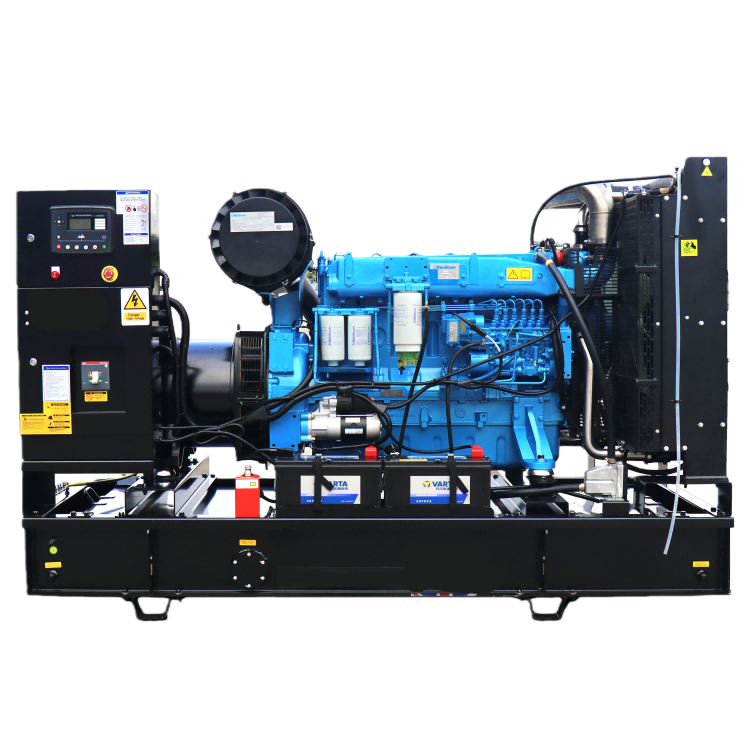
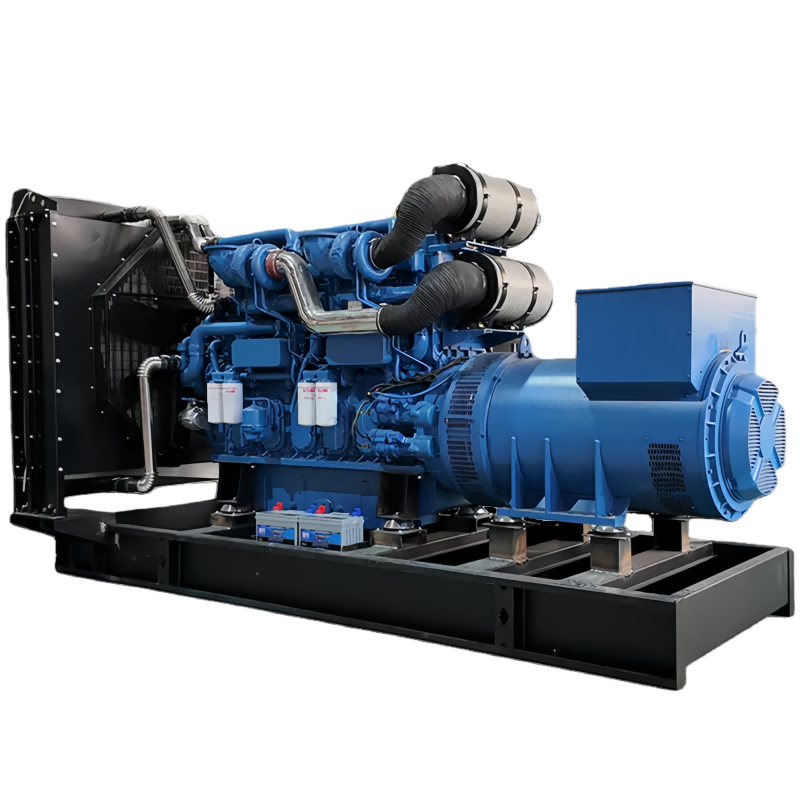
Best Residential Generator Systems - Automatic Backup Power for Your Home

All Categories

Get a Free Quote

Our representative will contact you soon.
Email
Name
Tel/WhatsApp
Company Name
Message
0/1000

residential generator

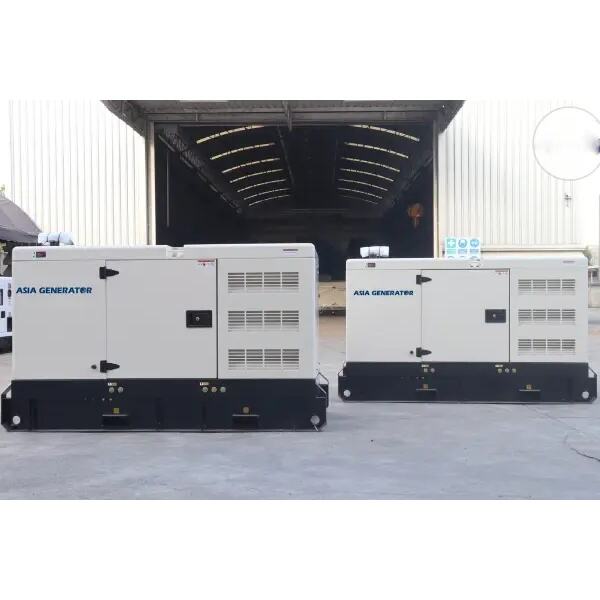
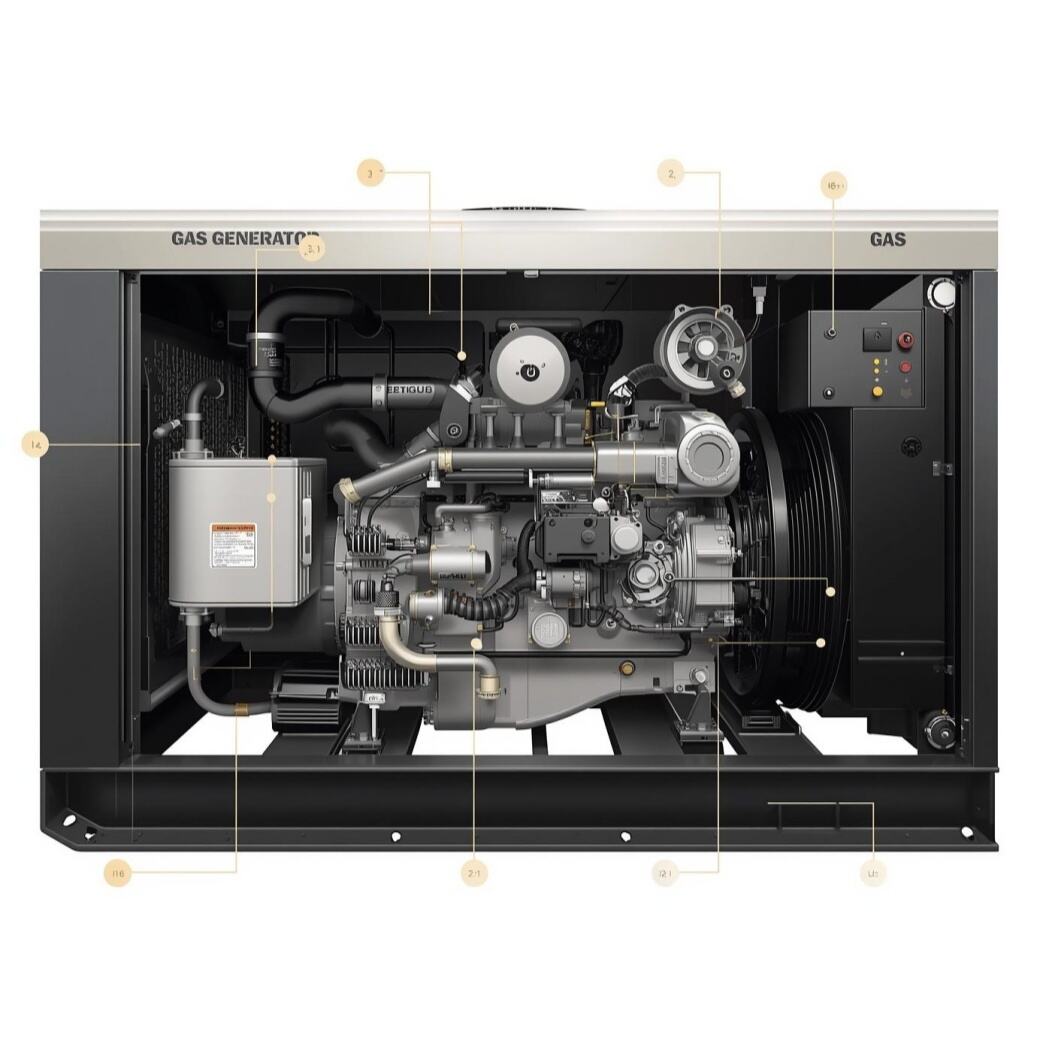
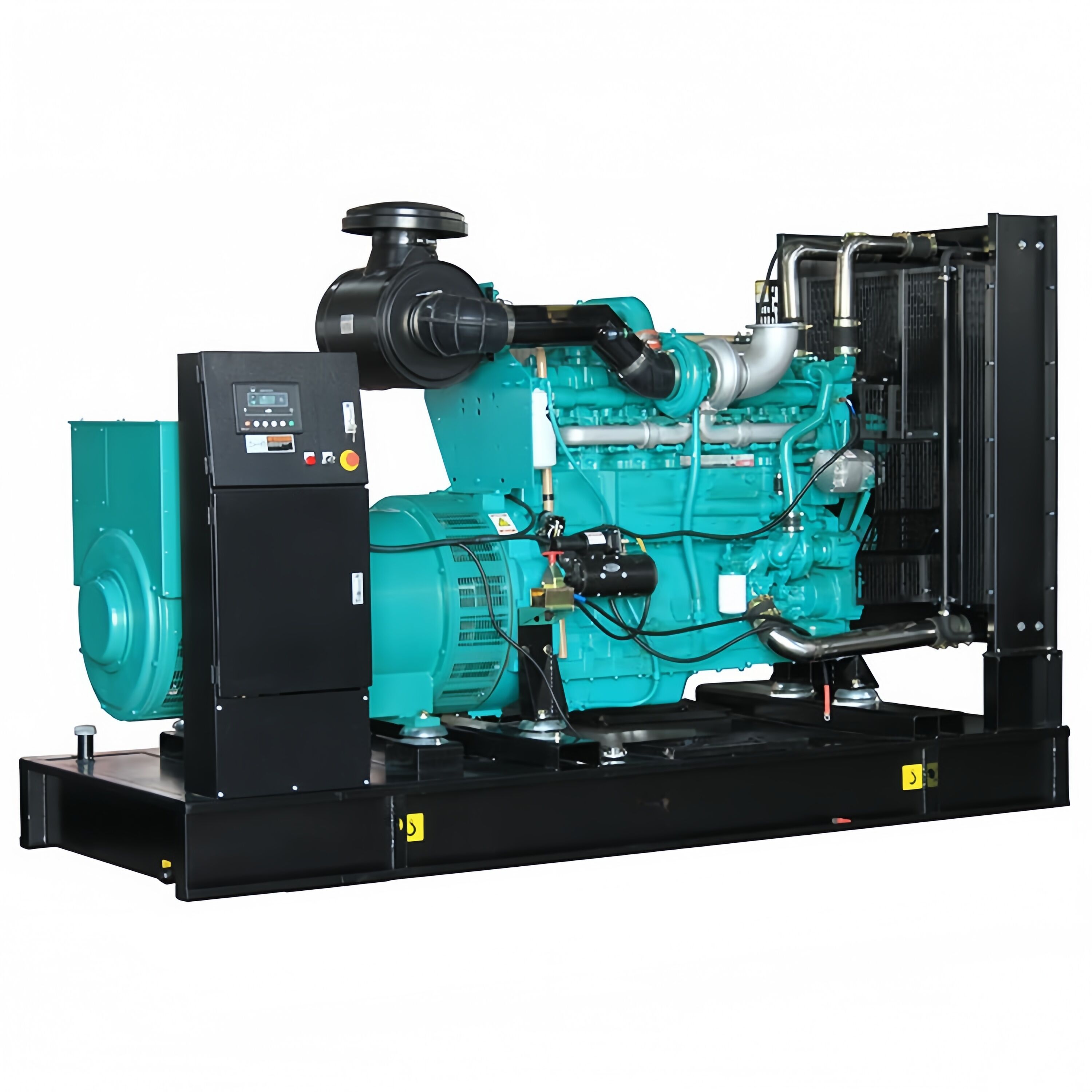
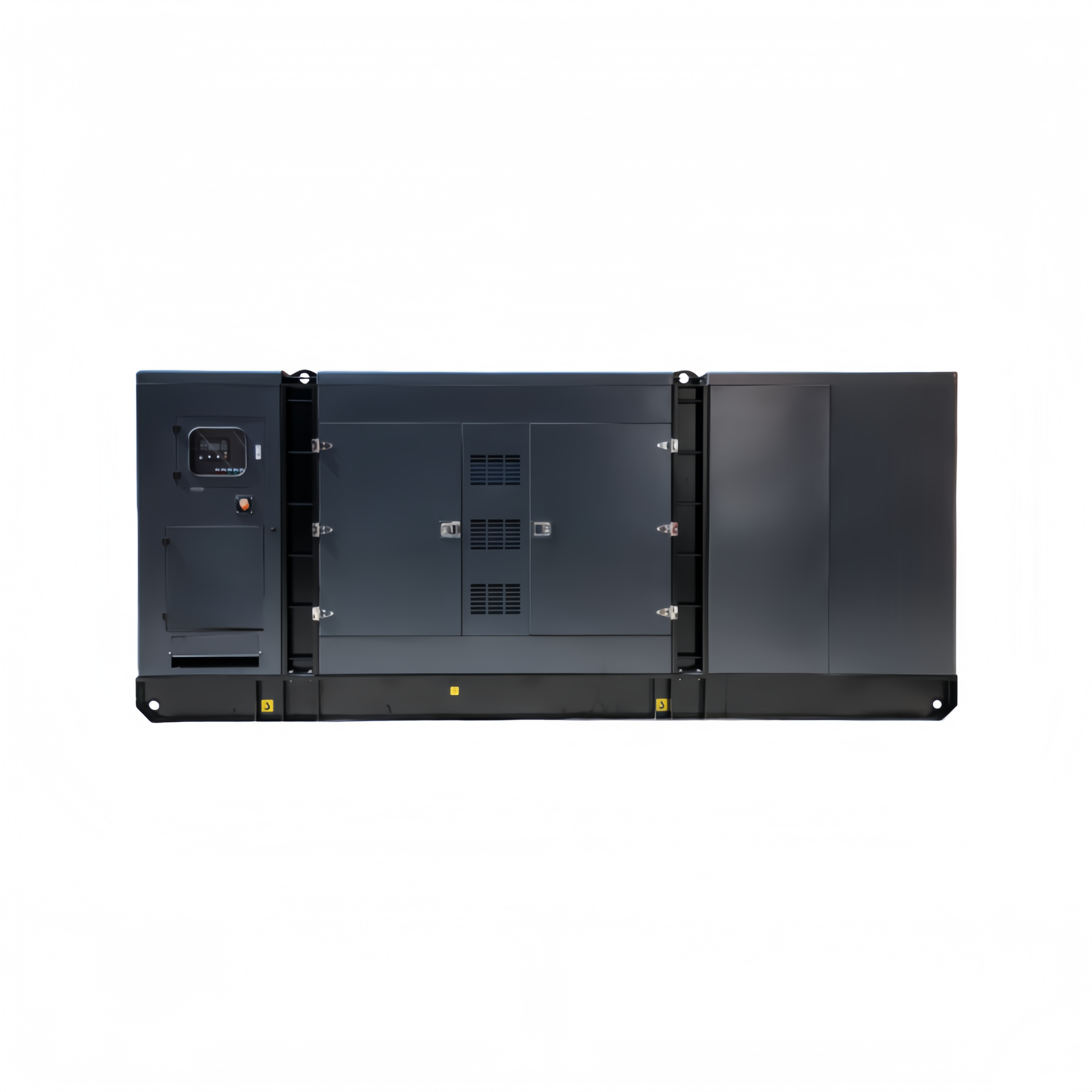
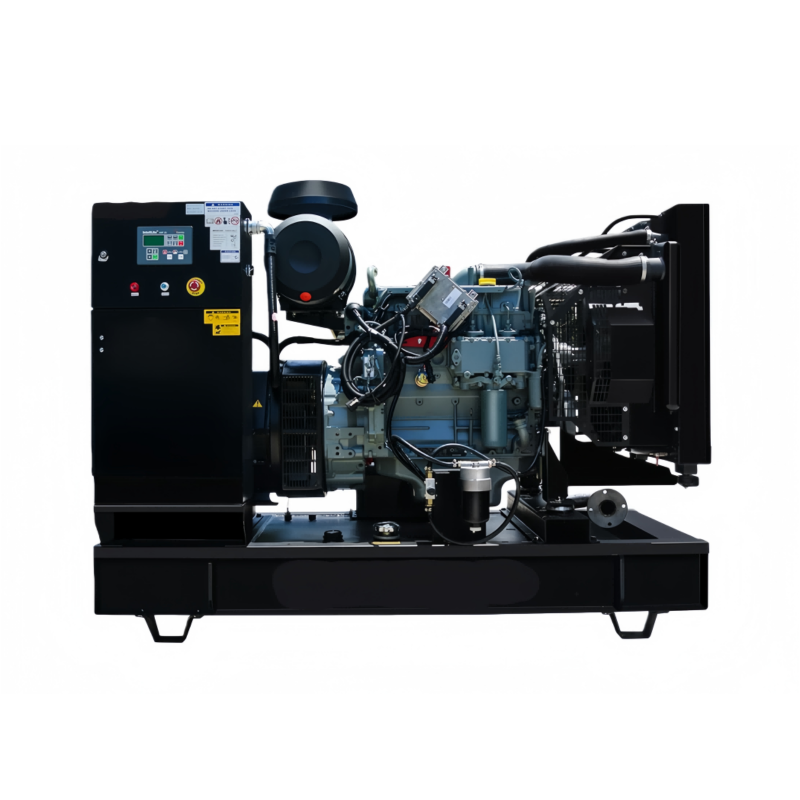
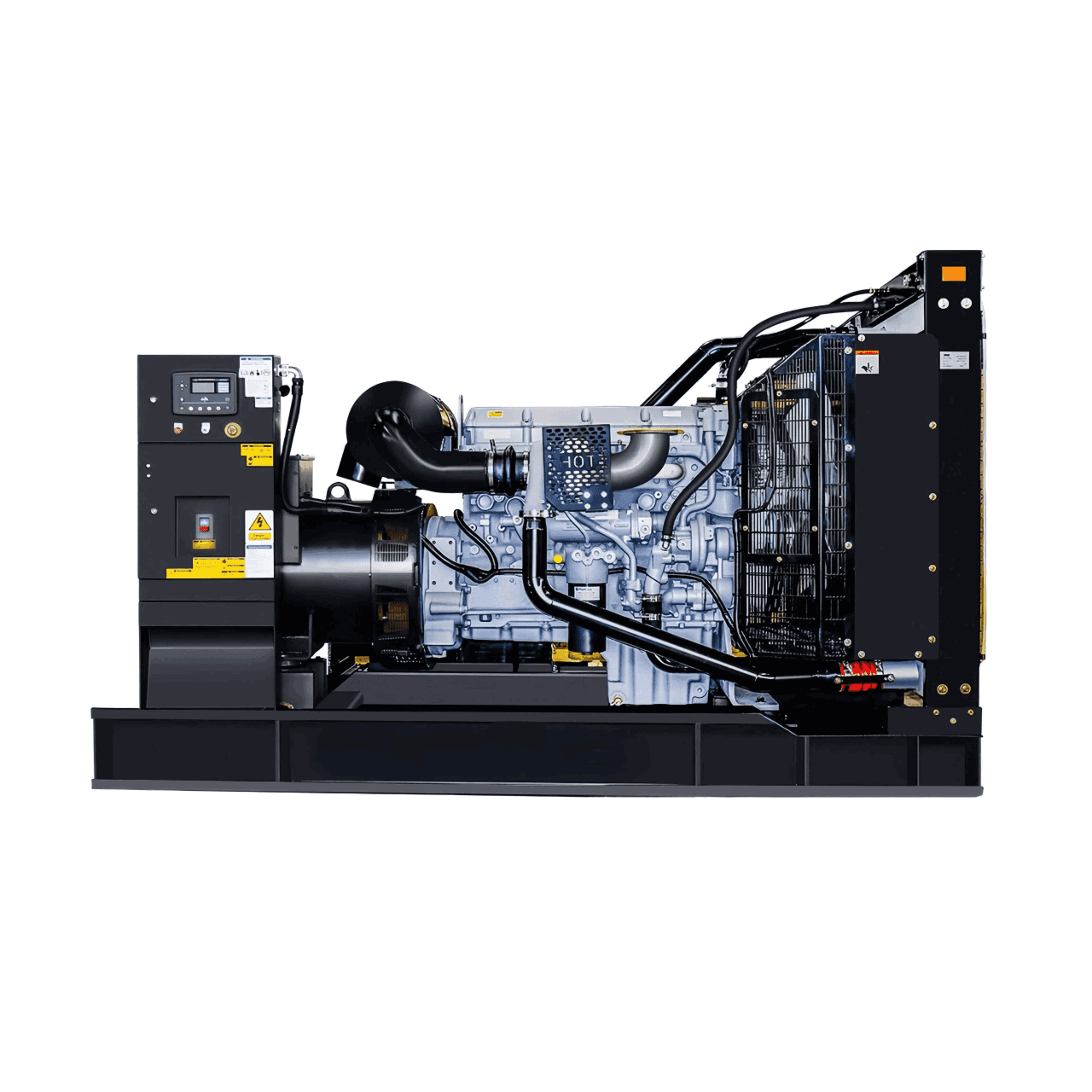
A residential generator serves as an essential backup power solution that automatically provides electricity to homes during utility outages or emergencies. This sophisticated electrical device connects directly to your home's electrical system through a transfer switch, ensuring seamless power transition when the main grid fails. Modern residential generator systems utilize advanced inverter technology and smart monitoring capabilities to deliver clean, stable electricity that protects sensitive electronic equipment while maintaining household comfort and safety. The primary function of a residential generator involves detecting power interruptions within seconds and automatically starting to restore electricity to critical circuits or the entire home. These units typically operate on natural gas, propane, or diesel fuel, with natural gas models connecting directly to existing gas lines for unlimited fuel supply. The generator's control panel features digital displays showing operational status, maintenance schedules, and diagnostic information, allowing homeowners to monitor system performance remotely through smartphone applications. Technologically advanced residential generator models incorporate sound-dampening enclosures, weather-resistant housing, and corrosion-proof components designed to withstand harsh environmental conditions. The automatic transfer switch represents a crucial technological component that safely isolates the home from utility power before engaging the backup system, preventing dangerous backfeeding that could harm utility workers. Smart load management features enable the residential generator to prioritize essential circuits like refrigeration, heating, and medical equipment while optimizing fuel consumption. Applications for residential generator systems extend beyond emergency backup power to include areas with unreliable utility service, remote locations, home-based businesses requiring uninterrupted electricity, and households with medical equipment dependencies. Professional installation ensures proper sizing calculations, electrical code compliance, and integration with existing home systems, maximizing the residential generator's effectiveness and safety performance.

New Product Recommendations

The primary advantage of installing a residential generator lies in its ability to maintain household operations during extended power outages, protecting your family's comfort, safety, and financial investments. Unlike portable generators that require manual setup and fuel handling, a permanently installed residential generator activates automatically within seconds of detecting power loss, ensuring continuous electricity supply without any intervention from homeowners. This automatic operation proves invaluable during nighttime outages, severe weather events, or when residents are away from home, providing peace of mind that essential systems remain functional. Food preservation represents another significant benefit, as the residential generator keeps refrigerators and freezers running continuously, preventing spoilage that could cost hundreds or thousands of dollars in replacement groceries and medications. Homeowners with medical equipment such as oxygen concentrators, CPAP machines, or insulin refrigeration units depend on reliable power, making a residential generator literally life-saving during emergencies. The system protects home security by maintaining lighting, alarm systems, and surveillance equipment, deterring potential intruders who might exploit darkened neighborhoods during widespread outages. Climate control advantages include continued heating during winter storms and air conditioning during summer heat waves, preventing dangerous temperature extremes that threaten elderly family members, young children, and pets. Business continuity benefits allow work-from-home professionals to maintain productivity, preventing income loss from missed deadlines, cancelled meetings, or damaged computer equipment due to power surges when electricity returns. Property value enhancement occurs through residential generator installation, as homebuyers increasingly prioritize backup power capabilities, especially in regions prone to severe weather or unreliable utility service. The convenience factor eliminates the need to search for fuel during emergencies when gas stations may be closed or experiencing long lines, since natural gas residential generator models connect to existing utility lines. Long-term cost savings emerge through prevented food spoilage, avoided hotel expenses during extended outages, reduced risk of frozen pipe damage, and elimination of portable generator rental or purchase costs. Insurance benefits may include premium reductions for homes equipped with permanent backup power systems, recognizing the reduced risk of weather-related claims and property damage.

Practical Tips

How Noise Is A Silent Type Generator Set?

09

Dec

How Noise Is A Silent Type Generator Set?

View More
How Does a Gas Generator Work?

09

Dec

How Does a Gas Generator Work?

View More
What Is The Difference between Open Generator And Silent Generator?

09

Dec

What Is The Difference between Open Generator And Silent Generator?

View More

Get a Free Quote

Our representative will contact you soon.
Email
Name
Tel/WhatsApp
Company Name
Message
0/1000

residential generator

Automatic Operation and Seamless Power Transfer

Automatic Operation and Seamless Power Transfer

The automatic operation capability stands as the most compelling feature of modern residential generator systems, delivering unmatched convenience and reliability that sets these units apart from portable alternatives. This sophisticated automation begins with continuous monitoring of incoming utility power through advanced sensing technology that detects voltage fluctuations, frequency variations, and complete power failures within milliseconds. When the residential generator's control system identifies a power interruption, it immediately initiates a predetermined startup sequence that begins with engine pre-lubrication, fuel system pressurization, and ignition system activation. The entire process from power loss detection to full electrical output typically completes within 10-20 seconds, ensuring minimal disruption to household activities and preventing damage to sensitive electronics caused by sudden power interruptions. The automatic transfer switch represents the technological heart of this seamless operation, serving as an intelligent intermediary between utility power and the residential generator output. This device safely disconnects the home from the electrical grid before engaging backup power, preventing dangerous backfeeding that could electrocute utility workers or damage neighborhood electrical infrastructure. Once utility power restoration occurs, the transfer switch monitors incoming electricity quality for several minutes, ensuring stable voltage and frequency before automatically reconnecting to grid power and shutting down the residential generator through a controlled cool-down cycle. Smart connectivity features enhance the automatic operation through Wi-Fi enabled monitoring systems that send real-time alerts to homeowners' smartphones, providing operational status updates, maintenance reminders, and diagnostic information regardless of their physical location. This remote monitoring capability allows residents to verify their residential generator activated properly during away-from-home emergencies and receive immediate notification of any operational issues requiring attention. The automation extends to self-testing routines where the residential generator performs weekly exercise cycles, running for predetermined periods to maintain mechanical readiness, charge the battery system, and circulate engine oil, ensuring optimal performance when emergency activation becomes necessary.
Comprehensive Whole-House Power Coverage

Comprehensive Whole-House Power Coverage

Comprehensive whole-house power coverage represents a transformative advantage that distinguishes residential generator systems from limited portable solutions, providing complete electrical backup that maintains normal household routines during extended outages. Unlike smaller backup options that power only essential circuits, a properly sized residential generator delivers sufficient electrical capacity to operate all standard home appliances, lighting systems, heating and cooling equipment, and electronic devices simultaneously. This comprehensive coverage eliminates the need for homeowners to make difficult decisions about which appliances to prioritize during emergencies, instead allowing families to continue their regular daily activities with minimal disruption. The residential generator's capacity typically ranges from 7.5 kilowatts for smaller homes to 48 kilowatts or higher for larger properties with extensive electrical demands, ensuring adequate power for central air conditioning systems, electric heating, multiple refrigerators, washing machines, dishwashers, and entertainment systems. Professional load calculation during installation determines the optimal residential generator size based on the home's total electrical requirements, considering factors such as square footage, insulation levels, appliance efficiency ratings, and seasonal power consumption patterns. Smart load management technology in advanced residential generator models optimizes power distribution by automatically prioritizing critical circuits during peak demand periods, ensuring essential systems like refrigeration and heating receive uninterrupted electricity while temporarily reducing power to non-essential devices if necessary. This intelligent power management extends the residential generator's fuel efficiency and enables smaller units to effectively serve larger homes through strategic load balancing. The whole-house coverage includes garage door openers, well pumps, septic system pumps, pool equipment, and outdoor lighting, maintaining complete property functionality during emergencies. Integration with home automation systems allows the residential generator to coordinate with smart thermostats, security systems, and Internet routers, preserving connected home features that have become essential to modern living. Emergency preparedness benefits multiply through comprehensive coverage, as families can shelter in place comfortably during severe weather events, maintaining communication capabilities, food preservation, climate control, and entertainment systems that reduce stress and anxiety during challenging situations.
Fuel Efficiency and Environmental Responsibility

Fuel Efficiency and Environmental Responsibility

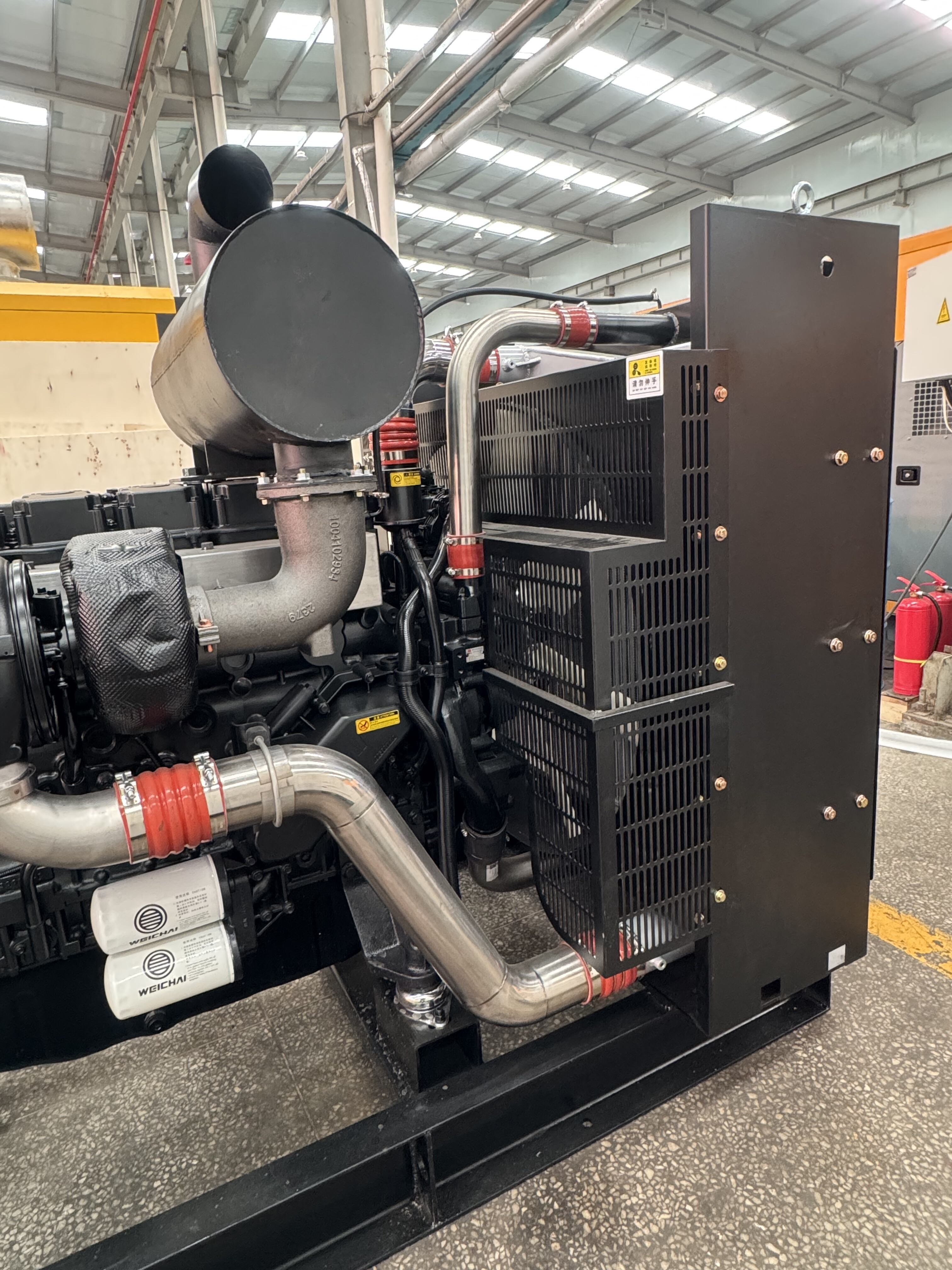
Fuel efficiency and environmental responsibility represent increasingly important considerations for modern residential generator systems, as manufacturers develop cleaner-burning engines and smarter fuel management technologies that minimize environmental impact while maximizing operational economy. Contemporary residential generator models utilize advanced combustion chamber designs, precision fuel injection systems, and sophisticated engine management computers that optimize air-fuel ratios for maximum efficiency and reduced emissions output. Natural gas residential generator options provide particular environmental advantages by connecting directly to existing utility gas lines, eliminating the need for petroleum-based fuel storage and reducing carbon dioxide emissions compared to diesel or gasoline alternatives. The clean-burning characteristics of natural gas produce significantly lower levels of nitrogen oxides, carbon monoxide, and particulate matter, contributing to improved local air quality while meeting increasingly stringent environmental regulations. Propane-fueled residential generator systems offer similar environmental benefits with the added advantage of indefinite fuel storage life and reduced supply chain environmental impact compared to refined petroleum products. Modern engine designs incorporate catalytic emission control systems, advanced muffler technology, and precision electronic fuel management that enables residential generator units to meet or exceed EPA emission standards while delivering reliable backup power. Smart fuel management features optimize consumption through variable engine speed technology that automatically adjusts output based on electrical demand, reducing unnecessary fuel consumption during low-load periods and extending operational runtime between maintenance intervals. The residential generator's automatic exercise cycles include fuel system optimization routines that prevent carburetor gumming, fuel degradation, and component corrosion while consuming minimal fuel quantities through brief operational periods. Maintenance scheduling algorithms track fuel consumption patterns and engine operating hours, providing predictive maintenance alerts that ensure optimal efficiency throughout the residential generator's service life while preventing wasteful emergency repairs. Environmental responsibility extends to manufacturing processes where leading residential generator companies implement recycling programs for old units, utilize sustainable materials in construction, and design modular components that facilitate repair rather than replacement. Energy recovery systems in some residential generator models capture waste heat for water heating applications, improving overall system efficiency and reducing total household energy consumption during backup power operation.
Best Residential Generator Systems - Automatic Backup Power for Your Home

Get a Free Quote

Our representative will contact you soon.
Email
Name
Tel/WhatsApp
Company Name
Message
0/1000