 EN
EN

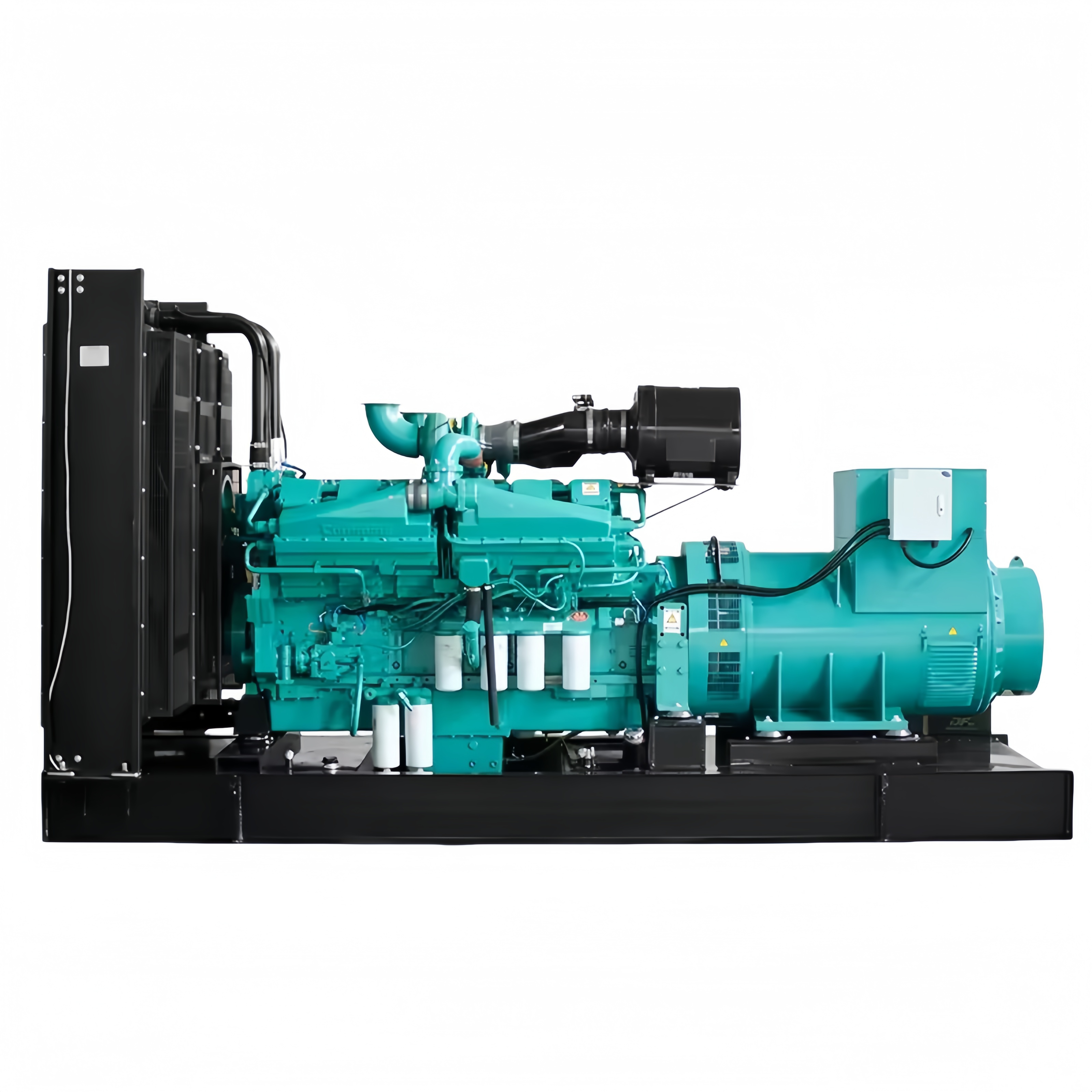
Bij de aankoop van maritieme generatoren voor commerciële schepen, jachten of offshore-installaties is het essentieel om te weten welke certificeringsnormen van toepassing zijn om te voldoen aan wettelijke voorschriften, veiligheidseisen en operationele betrouwbaarheid. De certificeringsnormen voor maritieme generatoren omvatten een complex kader van internationale, nationale en classificatiemaatschappij-vereisten, die variëren afhankelijk van het scheepstype, de vaargebieden en het beoogde gebruik. Deze normen waarborgen dat maritieme energiesystemen bestand zijn tegen de zware maritieme omgeving en tegelijkertijd een consistente prestatie en naleving van veiligheidsprotocollen bieden.
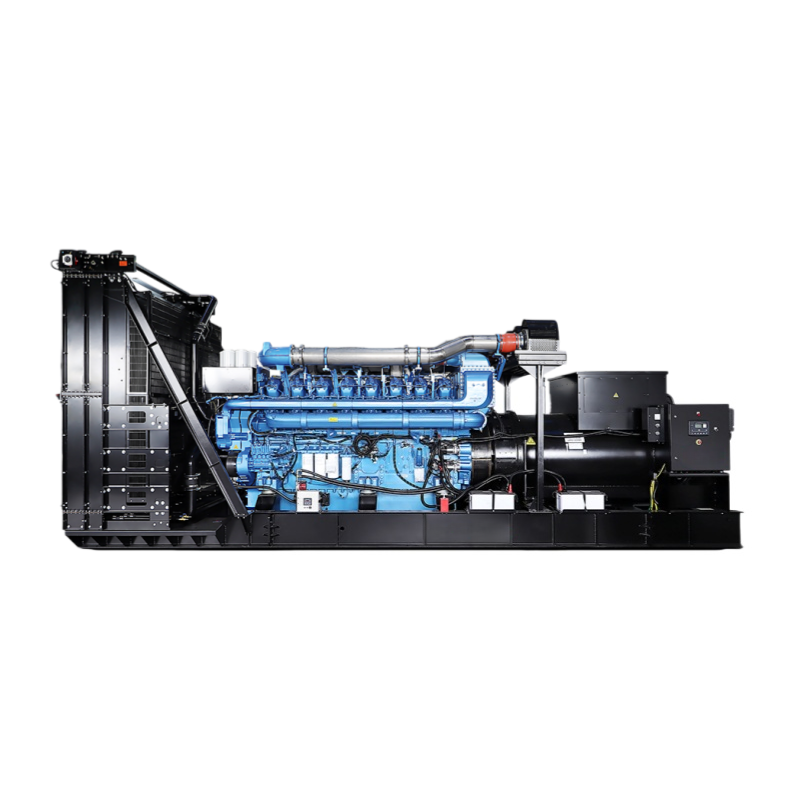
De keuze van geschikte certificeringsnormen voor marinegeneratoren hangt af van meerdere factoren, waaronder de eisen van de vlaggenstaat van het schip, de toepasselijke wetgeving op het gebied van exploitatie, de regels van de classificatiemaatschappij en de specifieke toepassingsvereisten. Commerciële rederijen moeten zich door de voorschriften van de International Maritime Organization (IMO) navigeren, terwijl eigenaars van recreatiejachten andere certificeringsroutes moeten volgen. Het begrijpen van deze verschillen helpt inkoopteams bij het nemen van weloverwogen beslissingen die zowel naleving als optimale prestaties gedurende de gehele levensduur van de generator in maritieme omgevingen waarborgen.
Normen van de International Maritime Organization
Vereisten van het SOLAS-verdrag
Het Verdrag inzake de veiligheid van mensenlevens op zee (SOLAS) stelt fundamentele certificeringsnormen vast voor maritieme generatoren die worden gebruikt op commerciële schepen die internationale reizen ondernemen. Hoofdstuk II-1 behandelt specifiek elektrische installaties en noodstroomsystemen en stelt dat hoofd- en noodgegeneratoren moeten voldoen aan strenge eisen met betrekking tot betrouwbaarheid en prestaties. Deze vereisten garanderen dat stroomsystemen essentiële diensten kunnen blijven leveren tijdens noodsituaties, waaronder navigatieapparatuur, communicatiesystemen en veiligheidsverlichting.
Maritieme generatoren die aan SOLAS voldoen, moeten aantonen dat ze continu kunnen functioneren onder extreme omstandigheden, waaronder hevig weer, overstromingssituaties en brandnoodsituaties. Het certificatieproces omvat uitgebreide tests op elektrische isolatie, trillingsweerstand en thermische prestaties. De generatoren moeten ook automatische startsystemen en belastingoverdrachtsmechanismen bevatten die binnen gestelde tijdsframes activeren bij uitval van de hoofdstroomvoorziening.
De documentatievereisten krachtens SOLAS omvatten uitgebreide technische specificaties, onderhoudsprocedures en operationele beperkingen. Scheepvaartexploitanten moeten certificeringsdossiers bijhouden die aantonen dat zij gedurende de gehele levensduur van de apparatuur blijven voldoen aan certificeringsnormen voor maritieme generatoren . Regelmatige inspecties en keuringen verifiëren dat geïnstalleerde systemen blijven voldoen aan de oorspronkelijke certificeringscriteria.
MARPOL-milieunaleving
Het Internationaal Verdrag ter voorkoming van verontreiniging door schepen (MARPOL) stelt milieugerichte certificeringsnormen voor maritieme generatoren vast met betrekking tot emissies, brandstofkwaliteit en afvalbeheer. Bijlage VI regelt specifiek stikstofoxide-emissies, beperkingen op het zwavelgehalte en energie-efficiëntie-eisen voor maritieme energiesystemen. Deze normen zijn steeds strenger geworden naarmate de maritieme sector zich richt op het verminderen van de milieubelasting.
Maritieme generatoren die opereren in emissiecontrolegebieden (ECAs) moeten voldoen aan verhoogde milieucertificeringsnormen die vaak strenger zijn dan de basisvereisten van MARPOL. Dit omvat geavanceerde uitlaatgastreatmentsystemen, compatibiliteit met alternatieve brandstoffen en verbeterde verbrandingsefficiëntie. Het certificatieproces omvat uitgebreide emissietests onder verschillende belastingsomstandigheden en operationele scenario’s.
De conformiteitsdocumentatie moet emissiecertificaten, gegevens over brandstofverbruik en procedures voor milieubeheer omvatten. Regelmatige monitoring en rapportage waarborgen voortdurende naleving van de milieucertificeringsnormen voor maritieme generatoren; niet-naleving kan leiden tot sancties zoals inspectiebevelen van de havenstaat en operationele beperkingen.
Eisen van de classificatiemaatschappij
Lloyd’s Register-normen
Lloyd's Register onderhoudt uitgebreide certificeringsnormen voor maritieme generatoren die ingaan op structurele integriteit, elektrische veiligheid en operationele betrouwbaarheid voor verschillende scheepstypen. De LR-regels en -voorschriften voor de classificatie van schepen bevatten gedetailleerde eisen voor de installatie, het testen en het onderhoud van generatoren. Deze normen waarborgen dat de stroomopwekkingsapparatuur veilig integreert met de scheepssystemen, terwijl de classificatiestatus behouden blijft.
Het certificatieproces omvat een gedetailleerd ontwerponderzoek, fabriekstests en installatie-inspecties die worden uitgevoerd door gekwalificeerde LR-inspecteurs. Maritieme generatoren moeten voldoen aan de gestelde grenswaarden voor trillingen, geluidsbeperkingen en normen voor elektromagnetische interferentie. Het goedkeuringsproces beoordeelt ook de besturingssystemen, beveiligingsapparatuur en de integratie met de automatiseringssystemen van het schip.
Voortdurende naleving vereist periodieke audits om de blijvende conformiteit met de certificeringsnormen voor maritieme generatoren te verifiëren. Dit omvat functionele tests, beoordelingen van onderhoudsregistraties en inspecties van componenten. Alle wijzigingen of reparaties moeten worden goedgekeurd via formele variatieprocedures om de geldigheid van de classificatie te behouden.
Criteria van het American Bureau of Shipping
Het American Bureau of Shipping (ABS) stelt certificeringsnormen voor maritieme generatoren op die de nadruk leggen op betrouwbaarheid, onderhoudbaarheid en operationele veiligheid voor schepen die varen onder de Amerikaanse vlag of die handelen in Amerikaanse wateren. De ABS-regels voor de bouw en classificatie van stalen schepen bieden uitgebreide richtlijnen voor energiesystemen, inclusief specifieke eisen voor verschillende schepenstypen en operationele profielen.
De ABS-certificering omvat strenge tests van elektrische componenten, mechanische systemen en besturingsinterfaces onder gesimuleerde maritieme omstandigheden. De normen behandelen corrosiebestendigheid, schokmontage en de mogelijkheid tot noodbediening. Bijzondere aandacht wordt besteed aan geautomatiseerde systemen die tijdens kritieke situaties betrouwbaar moeten functioneren zonder menselijke tussenkomst.
De documentatievereisten omvatten gedetailleerde technische tekeningen, berekeningsrapporten en testresultaten die aantonen dat is voldaan aan de certificeringsnormen voor maritieme generatoren. Regelmatige inspecties waarborgen blijvende conformiteit, met name met betrekking tot veiligheidssystemen, onderhoudspraktijken en operationele prestatie-indicatoren.
Nationaal regelgevend kader
Voorschriften van de Amerikaanse kustwacht
De regelgeving van de United States Coast Guard stelt specifieke certificeringsnormen vast voor marinegeneratoren die worden gebruikt op schepen die in Amerikaanse wateren varen of die Amerikaanse documentatie voeren. Titel 46 van de Code of Federal Regulations bevat gedetailleerde eisen voor elektrische installaties, noodstroomsystemen en procedures voor goedkeuring van apparatuur. Deze normen overschrijden vaak de internationale minimumeisen en weerspiegelen verhoogde prioriteiten op het gebied van veiligheid en milieubescherming.
De USCG-goedkeuring omvat uitgebreide tests door erkende laboratoria; de certificering bestrijkt elektrische veiligheid, mechanische integriteit en naleving van milieuvoorschriften. Marinegeneratoren moeten bestendigheid aantonen tegen corrosie door zoutnevel, trillingsbestendigheid en prestaties bij thermische cycli. Het goedkeuringsproces omvat een gedetailleerde beoordeling van de installatie-instructies, onderhoudsprocedures en operationele beperkingen.
Voortdurende naleving vereist regelmatige inspecties door geautoriseerde marine-inspecteurs die de naleving van de certificeringsnormen voor marinesets verifiëren. Dit omvat functionele tests, beoordeling van documentatie en verificatie van onderhoudsregistraties. Elke wijziging vereist een formele goedkeuring om de status van naleving van de regelgeving te behouden.
Normen van het Europees Agentschap voor Maritieme Veiligheid
Het Europees Agentschap voor Maritieme Veiligheid (EMSA) coördineert de certificeringsnormen voor marinesets binnen de EU-lidstaten en zorgt zo voor geharmoniseerde eisen voor schepen die op Europese wateren varen. De maritieme wetgeving van de Europese Unie neemt internationale normen op, maar voegt daaraan specifieke regionale eisen toe met betrekking tot milieubescherming en veiligheidsverbetering.
EU-specifieke certificeringsnormen voor mariene generatoren omvatten strengere milieu-eisen, energie-efficiëntievereisten en geavanceerde veiligheidssystemen. Het certificatieproces omvat een conformiteitsbeoordeling door aangemelde instanties die de naleving van relevante EU-richtlijnen en geharmoniseerde normen beoordelen. Dit omvat elektromagnetische compatibiliteit, machinesveiligheid en milieueffectbeoordelingen.
Markttoezichtactiviteiten waarborgen de voortdurende naleving van de certificeringsnormen voor mariene generatoren gedurende de gehele levenscyclus van de apparatuur. Dit omvat monitoring na het op de markt brengen, onderzoek naar incidenten en vereisten voor corrigerende maatregelen wanneer niet-naleving wordt vastgesteld.
Branchespecifieke certificeringsvereisten
Normen voor offshore olie- en gasplatforms
Offshore-installaties vereisen gespecialiseerde certificeringsnormen voor mariene generatoren die ingaan op de unieke uitdagingen van olie- en gasactiviteiten, waaronder classificatie van gevaarlijke gebieden, explosiepreventie en mogelijkheden voor noodrespons. De API- en ISO-normen bieden uitgebreide kaders voor stroomopwekkingsapparatuur in offshore-omgevingen.
De certificeringsvereisten omvatten goedkeuring voor gevaarlijke gebieden in Zone 1 en Zone 2, met speciale aandacht voor het ontwerp van elektrische apparatuur, installatiemethoden en onderhoudsprocedures. Mariene generatoren moeten veilig functioneren in potentieel explosieve atmosferen, terwijl zij tegelijkertijd een betrouwbare stroomvoorziening garanderen voor kritieke veiligheidssystemen.
Het goedkeuringsproces omvat uitgebreide tests van explosiebestendige behuizingen, intrinsiek veilige circuits en noodstopsystemen. De documentatie moet gedetailleerde risicoanalyses, installatieprocedures en onderhoudsprotocollen bevatten die continu naleving waarborgen van de certificeringsnormen voor maritieme generatoren in gevaarlijke omgevingen.
Normen voor cruiseschepen en passagiersschepen
Passagiersschepen vereisen verhoogde certificeringsnormen voor maritieme generatoren, met nadruk op levensveiligheid, comfortsystemen en paraatheid bij noodsituaties. SOLAS Hoofdstuk II-1 bevat specifieke eisen voor passagiersschepen, waaronder redundante energiesystemen, noodverlichting en betrouwbaarheid van communicatieapparatuur.
Certificering van maritieme generatoren voor cruisedoeleinden omvat uitgebreide tests van de belastingverdelingsmogelijkheden, automatische synchronisatiesystemen en noodsituatieprocedures. De normen stellen eisen aan geluidsniveaus en trillingen, die van cruciaal belang zijn voor het comfort van de passagiers, evenals aan emissies tijdens havenoperaties en in kustwateren.
De certificeringsdocumentatie omvat gedetailleerde bedrijfsprocedures, eisen voor bemanningstraining en onderhoudsprotocollen die een betrouwbare stroomvoorziening voor levensveilige systemen garanderen. Regelmatige oefeningen en inspecties verifiëren dat de certificeringsnormen voor maritieme generatoren gedurende de gehele operationele levensduur van het schip worden nageleefd.
Veelgestelde vragen
Welke certificeringsnormen zijn het meest kritiek voor commerciële maritieme generatoren?
De meest kritieke certificeringsnormen voor maritieme generatoren voor commerciële schepen omvatten de vereisten van het SOLAS-verdrag, regels van classificatiebureaus (zoals Lloyd's Register of ABS) en voorschriften van de vlaggenstaat. Deze normen richten zich op veiligheid, betrouwbaarheid en milieuconformiteit. Commerciële exploitanten moeten ervoor zorgen dat hun generatoren voldoen aan de IMO-voorschriften, met name SOLAS-hoofdstuk II-1 betreffende elektrische installaties, en de juiste goedkeuring van een classificatiebureau verkrijgen. Daarnaast zijn milieuvoorschriften krachtens MARPOL-bijlage VI in toenemende mate belangrijk voor naleving van emissie-eisen.
Hoe verschillen de certificeringsvereisten voor recreatiejachten van die voor commerciële schepen?
Certificeringsnormen voor maritieme generatoren op recreatiejachten volgen doorgaans de eisen van de Richtlijn betreffende Recreatievaartuigen (RCD) in Europa of de ABYC-normen in de Verenigde Staten, die over het algemeen minder streng zijn dan de eisen voor commerciële schepen. Terwijl commerciële schepen moeten voldoen aan de SOLAS- en classificatiemaatschappij-normen, richten recreatiejachten zich op CE-markering voor Europese markten en op voorschriften van de USCG voor Amerikaanse wateren. Grotere jachten van meer dan 24 meter kunnen echter, afhankelijk van hun gebruik en de eisen van de vlaggenstaat, naleving van commerciële normen vereisen.
Welke documentatie is vereist om de naleving van de certificering voor maritieme generatoren te handhaven?
Het handhaven van de naleving van de certificeringsnormen voor maritieme generatoren vereist uitgebreide documentatie, waaronder oorspronkelijke typegoedkeuringscertificaten, installatiecertificaten van geautoriseerde inspecteurs, onderhoudsregistraties volgens de aanbevelingen van de fabrikant en periodieke inspectierapporten van classificatiebureaus of regelgevende autoriteiten. Exploitanten moeten emissiecertificaten, bedrijfslogboeken en eventuele goedkeuringen voor wijzigingen bijhouden. Voor regelmatige inspecties is bijgewerkte documentatie vereist die aantoont dat de naleving van de toepasselijke certificeringsnormen voor maritieme generatoren gedurende de gehele levensduur van de apparatuur wordt gehandhaafd.
Hoe vaak moeten maritieme generatoren opnieuw worden gecertificeerd of geïnspecteerd?
Certificeringsnormen voor maritieme generatoren vereisen doorgaans jaarlijkse inspecties van veiligheidssystemen, tussentijdse inspecties om de 2,5 jaar en bijzondere inspecties om de 5 jaar voor commerciële schepen. De frequentie hangt af van de specifieke certificeringsinstantie, het scheepstype en het operationele profiel. Classificatiebureaus voeren regelmatige inspecties uit om te verifiëren dat de naleving van de certificeringsnormen voor maritieme generatoren wordt gehandhaafd, terwijl de autoriteiten van de vlaggenstaat aanvullende inspecties kunnen eisen. Noodgeneratoren en kritieke veiligheidssystemen vereisen vaak frequenter testen en certificeringsverificatie om betrouwbaarheid tijdens noodsituaties te garanderen.
Inhoudsopgave
- Normen van de International Maritime Organization
- Eisen van de classificatiemaatschappij
- Nationaal regelgevend kader
- Branchespecifieke certificeringsvereisten
-
Veelgestelde vragen
- Welke certificeringsnormen zijn het meest kritiek voor commerciële maritieme generatoren?
- Hoe verschillen de certificeringsvereisten voor recreatiejachten van die voor commerciële schepen?
- Welke documentatie is vereist om de naleving van de certificering voor maritieme generatoren te handhaven?
- Hoe vaak moeten maritieme generatoren opnieuw worden gecertificeerd of geïnspecteerd?