 EN
EN

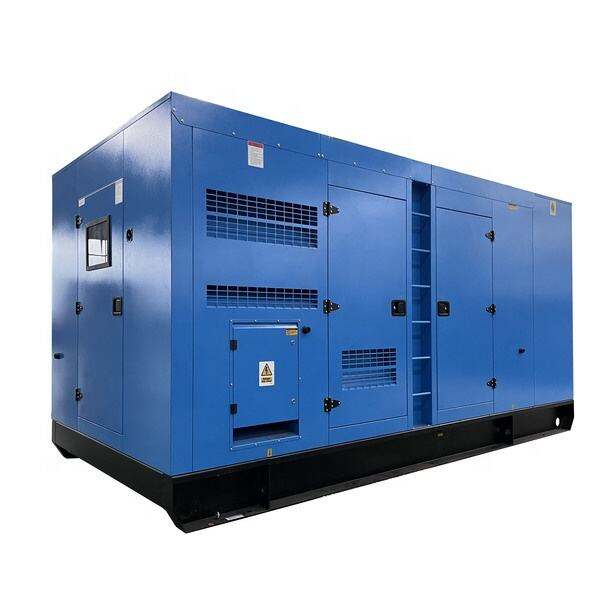
חברות ת utilities מתמודדות עם אתגרי רכש מורכבים בעת רכישת מولدات לתחנות כוח לפרויקטים גדולים של תשתיות. התהליך כולל הערכה טכנית מקיפה, אימות ספקים, שיקולים פיננסיים ודרישות 준ון-תקנות שיכולים להימשך חודשים ואף שנים. הבנת הדרך שבה חברות ה-utilities נוהלות את החלטות הרכש הללו מספקת תובנות חשובות במסגרת הפעולה של ענף האנרגיה והגורמים הקריטיים שמניעים את בחירת המולדים להתקנות במגוון מגה-וואט.
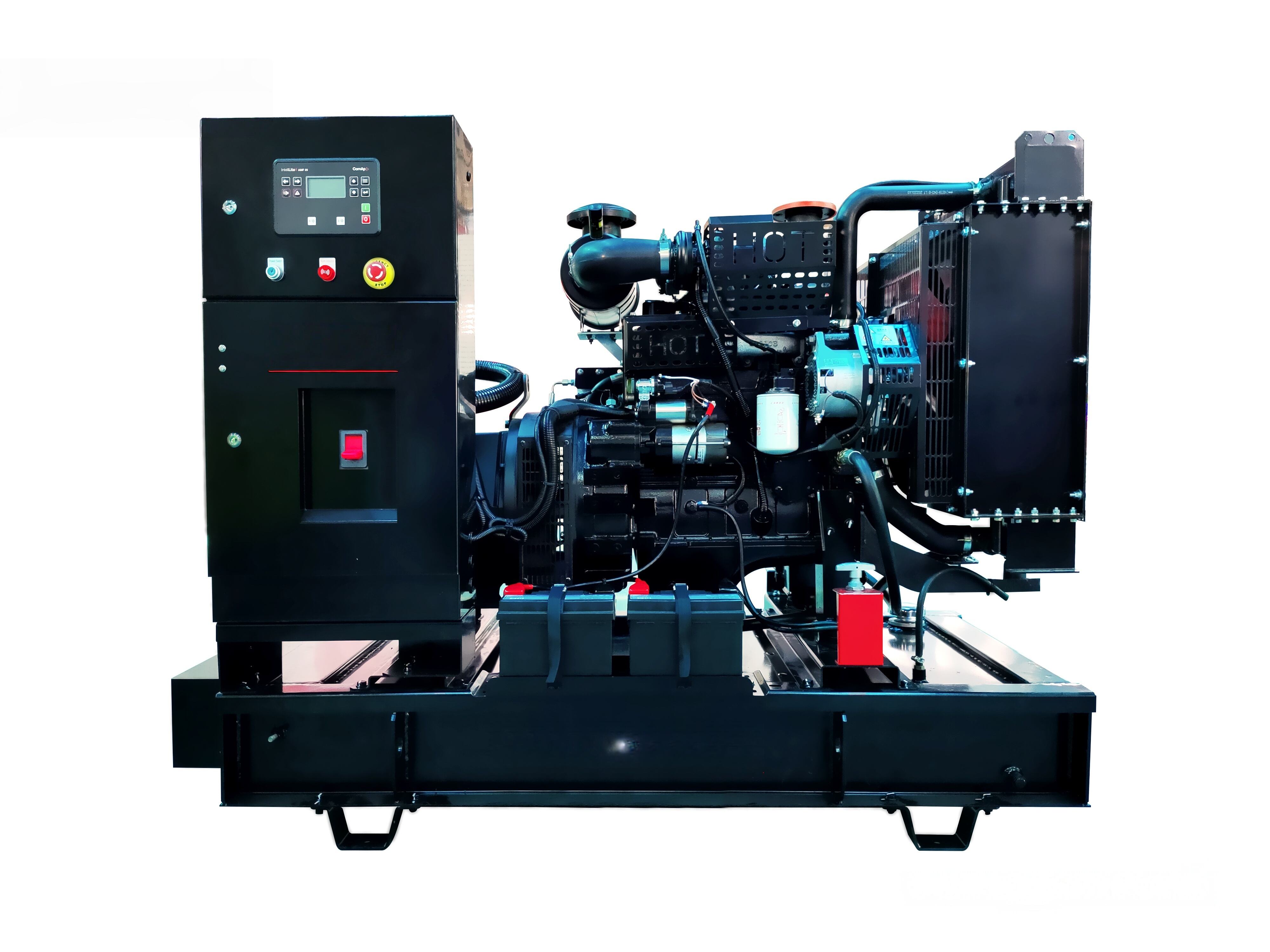
שיטות המיקור למחוללים בתחנות כוח נבדלות באופן משמעותי מהתהליך הסטנדרטי של רכישת ציוד, בשל היקף, המורכבות וההשלכות האופרטיביות ארוכות הטווח שמעורבות. חברות חשמל חייבות לאזן בין הצרכים המיידיים בכושר ייצור לבין דרישות הרשת העתידיות, תוך הבטחת התאמה טכנית, עמידה בדרישות סביבתיות ורентביליות כלכלית. גישה מקיפה זו למיקור מחוללים משקפת את התפקיד החיוני שהנכסים הללו ממלאים בהבטחת אספקת חשמל אמינה לאזורים וקהילות שלמים.
מסגרת תכנון רכישות אסטרטגיות
הערכה ותכנון ארוך טווח של כושר ייצור
חברות ת utilities מתחילות את תהליך רכישת המפעילים החשמליים שלהן באמצעות מחקרי תכנון קיבולת מקיפים שמעריכים את ביקוש החשמל לתקופות של 10–20 שנה. הערכות אלו בוחנות את נכסות הייצור הקיימות, את הפנסיות הצפויות, את דפוסי צמיחת העומס ואת הדרישות التنظימיות כדי לקבוע מתי יידרש ייצור חשמל חדש. תהליך התכנון כולל את השינויים העונתיים בביקוש, את דרישות העומס המרבי והתחייבויות שיעור הסף (reserve margin) המשפיעות על גודל וסוג המפעילים הנדרשים.
מחקרי התאמה של משאבים מהווים את היסוד הטכני להחלטות רכישת מولدات, ומנתחים את אמינות המערכת תחת מגוון תרחישים של פעילות. חברות החשמל מודלות תצורות שונות של מولدות, סוגי דלק ומאפיינים תפעוליים כדי לזהות הוספות קיבולת אופטימליות שימשיכו לשמור על יציבות הרשת תוך מינימיזציה של העלות. מסגרת ניתוח זו מבטיחה שמولدות תחנות הכוח שנרכשו יתאימו למטרות התכנון הרחב יותר של המערכת ולדרישות ההתאמה التنظימית.
התכנון לאיחוד מתמקד באיך שמבנים חדשים של מولدות בתחנות הכוח יתנהלו עם התשתיות הקיימות, מערכות ההולכה והפעילות ברשת. חברות החשמל מעריכות את דרישות החיבור, את ההשפעות על יציבות המערכת ואת צורכי הגמישות התפעולית המשפיעים על مواפייני המولد ועל לוחות הזמנים לרכישתו. גישה תכנונית מקיפה זו עוזרת לחברות החשמל להימנע משינויים יקרים או אילוצים תפעוליים לאחר התקנת המولد.
דרישות התאמה לתקנות ולסביבה
תקנות סביבתיות משפיעות באופן משמעותי על אופן שבו חברות החשמל מזמנות יצרני תחנות כוח, כאשר סטנדרטים להפלטות, דרישות לאישורים וערכות השפעה סביבתית מגדירות את مواפייני הרכש. לחברות החשמל יש לדאוג שיצרנים שנבחרו יתאימו לתקנות הסביבתיות הפדרליות, הממלכתיות והמקומיות לאורך כל מחזור החיים הפעולי שלהם. דרישות ההתאמה הללו קובעות לעתים קרובות בחירות טכנולוגיות מסוימות, מערכות בקרת הפלטות ופרמטרים תפעוליים המשפיעים על הבחירה של היצרנים ועל העלויות.
תהליכי ההרשאה והדרישות שלהם מגלמים תפקיד קריטי בתכנון רכש, כיוון שחברות החשמל חייבות לתאם את מקורות המגנרטורים עם תהליכי הבדיקה הסביבתית וההסכמות التنظימיות. מורכבות תהליכי ההרשאה הסביבתית למגנרטורים של תחנות כוח בקנה מידה גדול דורשת מעורבות מוקדמת של הסוכנויות التنظימיות ותיעוד מקיף של ההשפעות הסביבתיות. חברות החשמל נוטות להתחיל בתהליכי ההרשאה עוד לפני השלמת רכישת המגנרטורים כדי למנוע עיכובים בפרויקט.
תקנים של אמינות רשת החשמל והפיקוח التنظימי משפיעים על פיתוח مواصفות המגנרטורים, כיוון שחברות החשמל חייבות להוכיח שהציוד שנרכש עומד בתקנים לביצוע ובדרישות התפעוליות. סוכנויות רגולטוריות בוחנות את החלטות הרכישת מגנרטורים כדי להבטיח תכנון משאבים נבון של חברת החשמל וניהול עלויות יעיל. פיקוח רגולטורי זה דורש מחברות החשמל לשמור על תיעוד מפורט של שיטות הרכישה שלהן ومع Criteria ההחלטה למזנרטורים בתחנות כוח.
תהליך פיתוח תיאור טכני
דרישות ביצועים ואמינות
התיאורים הטכניים למחוללים בתחנות כח מתחילים בדרישות ביצועים מפורטות שמגדירות פרמטרי הפעלה, יעדיעי יעילות ותקנים לאימונות. חברות החשמל קובעות את קריטריוני הביצוע המינימליים על סמך צרכים של המערכת, ניתוח כלכלי ופרקטיקות הטובות ביותר בתעשייה. התיאורים הללו כוללים בדרך כלל דירוגי קיבולת, שיעורי חום, קצב עלייה, יכולות עומס מינימלי וגורמים זמינות שמבטיחים שהמחוללים יוכלו לעמוד בדרישות הפעלה לאורך כל תקופת שירותם.
דרישות האמינות למחוללים בתחנות כוח כוללות הן אמינות ציוד והן גמישות תפעולית, כאשר חברות החשמל מציינות את פרקי הזמן לביצוע תחזוקה, שיעורי הפסקות תפעוליות חובה וציפיות לתקופת חיים תפעולית. סטנדרטים אלו של אמינות משפיעים על בחירת העיצוב של המחוללים, על مواפייני הרכיבים ודרישות התמיכה בתחזוקה, אשר משפיעות על עלויות הבעלות הכוללות. לעיתים קרובות דורשות חברות החשמל נתונים מוכחים על ביצועים מתקנות דומות כדי לאשר טענות בנוגע לאמינות וליכולות תפעוליות.
מפרטי האינטגרציה לרשת מגדירים כיצד יצרניות תחנות כוח מתאימות למערכות ההולכה, מערכות הבקרה ופעולות הרשת. חברות החשמל מציינות את היכולות של שימור המתח, מאפייני התגובה לתדר והפרוטוקולים להתקשרות אשר מבטיחים אינטגרציה חלקה עם התשתיות הקיימות. דרישות טכניות אלו הופכות לחשובות יותר ויותר ככל שהרשתות משלבות מקורות אנרגיה מתחדשים משתנים ודורשות משאבים גמישים לייצור חשמל.
שקולות אספקת הדלק והתשתיות
הלוגיסטיקה של אספקת הדלק משפיעה באופן משמעותי על האופן שבו חברות החשמל מזמנות את מתקני הכוח, כאשר זמינות הדלק, תשתית התחבורה והדרישות לאחסון משפיעים על בחירת טכנולוגיות המתקנים. חברות החשמל מעריכות חוזים ארוכי טווח לאספקת דלק, סיכונים של תנודתיות המחירים ואמינות שרשרת האספקה בעת בחירת טכנולוגיות המתקנים. מתקני גז טבעי דורשים גישה למסילות גז וסכמי אספקה, בעוד שיחידות פחם דורשות תחבורה ברכבת או באוניות נגררים וכן מתקני אחסון באתר.
הדרישות לתשתיות עבור מתקני תחנות כוח משתרעות מעבר ליחידות הייצור עצמן וכוללות מערכות טיפול בדלק, מתקני אספקת מיים וטיהורם, וכן מערכות ניהול פסולת. חברות החשמל חייבות לסנכרן את רכישת המתקנים עם רכישת המערכות המשניות והפעילויות הכינון לאתר כדי להבטיח משלוח פרויקט מאוחד. התחשבויות התשתיתיות הללו משפיעות לעיתים קרובות על גודל המתקנים, תצורתם והמאפיינים ההפעלה שלהם.
יכולות הגמישות בדלק משפיעות במידה הולכת וגדלה על פיתוח مواصفות המניעים, כשמוסדות התעבורה מחפשים גמישות תפעולית והזדמנויות לאופטימיזציה של עלויות הדלק. מנועי תחנות כוח רב-דלק מספקים יתרונות תפעוליים, אך דורשים השקעות תשתית נוספות ומורכבות טכנית. מוסדות התעבורה שוקלים את הסיכונים וההטבות הללו בעת פיתוח مواصفות רכש ובחינת הצעות ספקים לפרויקטים גדולים לייצור חשמל.
בחירת ספק ואסטרטגיית רכש
ניתוח שוק ואישור זכאות הספקים
מוסדות התעבורה מבצעים ניתוח שוק מקיף כדי לזהות ספקים מוסמכים אשר מסוגלים לספק מנועי תחנות כוח שמתאימים לדרישות הטכניות והמסחריות שלהם. הערכת השוק הזו בוחנת את יכולות הספק, קיבולת הייצור, ניסיון בפרויקטים ויציבות הפיננסית כדי להכין רשימות של מועמדים מוסמכים. לעיתים קרובות, מוסדות התעבורה מאשרים מראש את הספקים באמצעות הערכות מפורטות של יכולות שבודקות את הכفاءה הטכנית, מערכות האיכות ורשומות האספקה של הפרויקטים.
תהליכי זכאות הספקים למחשפים של תחנות כוח כוללים ביקורות על המתקנים, סקירת פרויקטים רפרנסיים, והערכות יכולת פיננסית שמבטיחות שהספקים יוכלו לספק מערכות ייצור מורכבות בזמן ולפי התקציב. חברות החשמל מעריכות את מתקני היצרנים, תהליכי בקרת האיכות שלהם, ואת יכולות הניהול של שרשרת האספקה כדי להעריך את סיכוני מימוש הפרויקטים. פעילויות הזכאות הללו עוזרות לחברות החשמל לזהות ספקים שיכולים לעמוד בדרישות הפרויקט הספציפיות שלהן ובציפיות לביצוע.
שקולות של ספקים בינלאומיים הופכות חשובות בפרויקטים גדולים של יצרני תחנות כוח, כאשר חברות החשמל מעריכות ספקים גלובליים לעומת יצרנים מקומיים. תקנות מסחר, סיכונים הקשורים להחלפת מטבעות ודרישות העברת טכנולוגיה משפיעים על החלטות לבחירת הספקים. חברות החשמל חייבות לאזן בין היתר הכלכלי האפשרי שמקורו בספקים בינלאומיים לבין סיכוני שרשרת האספקה, זמני המשלוח והדרישות לתוכן מקומי שעלולים להשפיע על הכלכלה של הפרויקט.
מכרז תחרותי ומשא ומתן על חוזה
תהליכי הצעת מחיר תחרותיים למחוללים בתחנות כוח כוללים בדרך כלל מסמכים מפורטים של בקשת הצעה (RFP) שקובעים דרישות טכניות, תנאים מסחריים וקריטריונים להערכה. חברות החשמל מביאות את תהליכי הצעת המחיר כדי לעודד תחרות תוך הבטחת כך שהתגובות של הספקים יספקו פרטים מספיקים לצורך הערכה מקיפה. ב-RFP-ים אלו נכללים לעיתים קרובות מידע ספציפי לאתר, דרישות חיבור לרשת והגבלות ללוח הזמנים של הפרויקט שמשפיעות על מחירי הספקים והפתרונות הטכניים שלהם.
משא ומתן על חוזה עבור מחוללי תחנת כוח כולל דיונים טכניים ומסחריים מורכבים הנוגעים לדרישות הציוד, אחריות לביצוע, לוחות זמנים למשלוח והוראות אחריות. חברות החשמל מנהלות משא ומתן בנוגע לדרישות טכניות מפורטות, דרישות בדיקות וקריטריוני קבלה המגינים על ענייניהן לאורך כל שלבי הפיתוח והפעלה של הפרויקט. משא ומתן מסוג זה דורש לעיתים קרובות חודשים של דיונים מפורטים לשם השלמת תנאי החוזה וההתניות.
אסטרטגיות לחלוקת הסיכונים בחוזים לרכישת מولدات עוסקות בסיכונים טכניים בביצוע, בסיכונים הקשורים ללוחות הזמנים ובסיכונים של עליית עלויות באמצעות תקנות חוזיות ממוקדות. חברות חשמל משאיפות להסדיר ערבות ביצוע, הוראות לתשלומים פוגענים ותנאי אחריות שמבטיחים הגנה מפני כשל בביצוע הציוד או עיכובים באספקה. הוראות ניהול הסיכונים הללו מבטאות כי הספקים נושאים באחריות מתאימה למסירת הפרויקט ולביצוע הציוד לאורך מחזור החיים הפעולי.
ביצוע הפרויקט וניהול האספקה
מערכת פיקוח על הייצור ובטחון האיכות
הנחת תהליך ייצור למחוללים בתחנות כוח כוללת תוכניות מפורטות של בקרת איכות שמנטרות את ייצור הציוד, הבדיקות וההכנות למשלוח. חברות החשמל דורשות בדרך כלל בדיקות קבלה במפעל, אישורים חומריים ואודיטי תהליכי ייצור כדי להבטיח שהמחוללים עומדים בדרישות ובתקנים האיכותיים. פעילויות הנחיה אלו עוזרות לזהות ולפתור בעיות איכות לפני המשלוח של הציוד, ובכך מפחיתות את הסיכונים בהתקנה ואת הבעיות בתפעול.
תהליכי בקרת האיכות למחוללים בתחנות כוח כוללים בדיקת רכיבים, אימות הרכבה ובדיקות ביצועים המאמתות שהציוד עומד בדרישות הטכניות. חברות החשמל מוצבות לעיתים קרובות בודקים נצירים במתקני הייצור במהלך שלבים קריטיים בייצור כדי לפקח על האיכות ולספק משוב בזמן אמת בכל מקרה של בעיה. פעילויות בקרת האיכות הללו מבטאות כי המחוללים שנרכשים עומדים בציפיות מהימנות וביצועים לאורך כל מחזור חייהם התפעולי.
התיאום של הבדיקות וההפעלה המוקדמת מתחיל במהלך הייצור עם בדיקות קבלה במפעל שמאשרות את ביצועי המנורה בתנאים מבוקרים. חברות החשמל מפתחות פרוטוקולי בדיקה מקיפים שמאשרים את כל היבטי ביצועי המנורה, מהמאפיינים החשמליים הבסיסיים ועד ליכולת הפעולה המתקדמת של מערכות הבקרה. פעילויות הבדיקה הללו מספקות אמון בביצועי הציוד לפני שהתקנתו בשטח וטרם תחילת פעולות ההפעלה המוקדמת.
תמיכה בהתקנה ובאיתור
תמיכת ההתקנה למנורות בתחנות כוח דורשת התאמה צמודה בין חברות החשמל, ספקי הציוד וקבלני הבנייה כדי להבטיח מיקום נכון של הציוד ואינטגרציה שלו. הספקים מספקים בדרך כלל תמיכה טכנית במהלך פעולות ההתקנה, כולל אימות יישור, הליכי חיבור ופעולות ההפעלה הראשונית. תמיכה טכנית זו מבטיחה שהמנורות מותקנות כראוי ומוכנות לפעולות ההפעלה המוקדמת.
תהליכי ההפעלה של מولدات תחנות כוח כוללים בדיקות ואמת שיטתית של כל מערכות הציוד והיכולות הפעולתיות. חברות החשמל מתאם את פעולתן עם הספקים כדי לפתח הליכי הפעלה מפורטים המאמתים את ביצועי המولد בתנאי הפעלה ממשיים. פעילויות ההפעלה הללו דורשות לעתים קרובות מספר חודשים של בדיקות ותאמונים כדי לאופטם את ביצועי המولد ולשפר את אמינות הפעולה.
הבחינה הדמוקרטית של הביצועים מהווה את האימות הסופי לכך שמولدות תחנות הכוח שנרכשו עונים על כל הדרישות הטכניות והמסחריות. חברות החשמל מבצעות בדיקות ביצועים מקיפות המאמתות את הקיבולת, היעילות, פליטות הגזים והתכונות הפעולתיות מול דרישות החוזה. השלמה מוצלחת של בדיקות אלו מפעילה את נקודות האישור הסופיות ואת נקודות התשלום שהולכות בעקבותיהן, אשר מסמנות את סיום תהליך הרכש.
שאלות נפוצות
אילו גורמים קובעים את לוח הזמנים של פרויקטי רכש מولدים לחברות חשמל?
זמני רכישת המוליכים לרשויות החשמל מתמקדים בדרך כלל בטווח של 18–36 חודשים, בהתאם לקושי הפרויקט, לדרישות הרגולטוריות ולמפרט הציוד. מוליכים לתחנות כח בקנה מידה גדול דורשים הנדסת מעמיק, זמני ייצור ארוכים והסכמות רגולטוריות שמייצרים הארכת לוחות הזמנים של הפרויקטים. רישיונות סביבתיים, מחקרי חיבור לרשת החשמל ותהליכי מכרזים תחרותיים מוסיפים דרישות זמן נוספות שעל הרשויות לחשמל לקחת בחשבון בתכנון הקיבולת שלהן.
איך רשויות החשמל מעריכות את עלות הבעלות הכוללת למוליכים בתחנות כח?
הערכה כוללת של עלות התחנה למחשפים כוללת עלויות הון, הוצאות מימון, עלויות תפעול ותחזוקה, עלויות דלק ועלויות פירוק בסוף العمر הפעולי של הציוד. חברות החשמל משתמשות בניתוח ערך נוכחי נקי להשוואה בין אפשרויות מחשפים שונות וטכנולוגיות דלק על בסיס כלכלי השוואי. הערכות כלכליות אלו לוקחות בחשבון גורמי קיבולת, רמות יעילות, דרישות תחזוקה וחיזויי מחירי דלק כדי לזהות את פתרונות הייצור היעילים ביותר מבחינה עלותית.
אילו תפקיד מספקות האמונות לביצוע בתנאי הקנייה של מחשפים?
הבטחות ביצוע עבור מפעלי טורבינות כוח מספקות אחריות חוזית לכך שהציוד יתאים ליעדי הקיבולת, היעילות והאמינות שנקבעו לאורך כל תקופת הפעולה שלו. הבטחות ביצוע אלו כוללות בדרך כלל את פליטת הקיבולת, את שיעור החום, את גורמי הזמינות ואת ביצועי הפליטות, עם עיכובים כספיים מוסכמים במקרה של אי-הישגים. הבטחות ביצוע מגינות על חברות החשמל מפני תת-ביצוע של הציוד ומספקות פתרונות פיננסיים אם הטורבינות לא עומדות בדרישות החוזיות.
איך חברות חשמל מתאמות את רכישת הטורבינות עם דרישות מערכת ההולכה?
התאמת מערכת ההעברה למחוללים בתחנות הכוח כוללת מחקרי חיבור, ניתוח יציבות הרשת ותכנון שדרוג התשתיות המבטיחים שאפשר יהיה לשלב באופן מהימן את ייצור החשמל החדש במערכות החשמל הקיימות. חברות החשמל עובדות יחד עם מפעילי מערכות ההעברה כדי להעריך את ההשפעות על המערכת, לזהות את השדרוגים הנדרשים ולתאם את לוחות הזמנים לבנייה. פעילויות התיאום הללו מבטאות כי המחוללים שנבחרו יוכלו לספק חשמל למרכזי הטעינה ללא פגיעה באמינות הרשת או יצירת אילוצים תפעוליים.