Small Diesel Engines: Superior Fuel Efficiency, Durability & Performance Solutions

All Categories

Get a Free Quote

Our representative will contact you soon.
Email
Name
Tel/WhatsApp
Company Name
Message
0/1000

small diesel engine

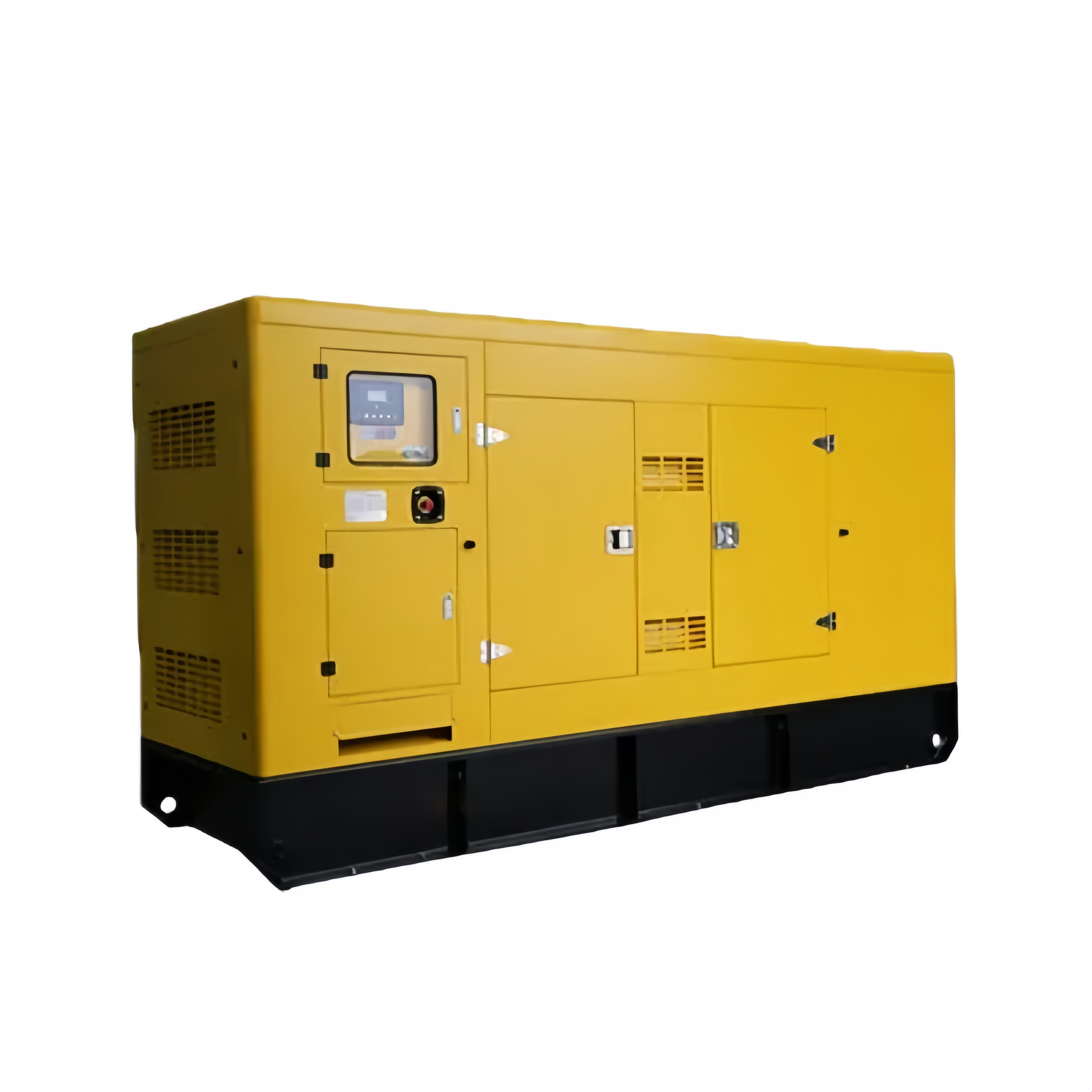
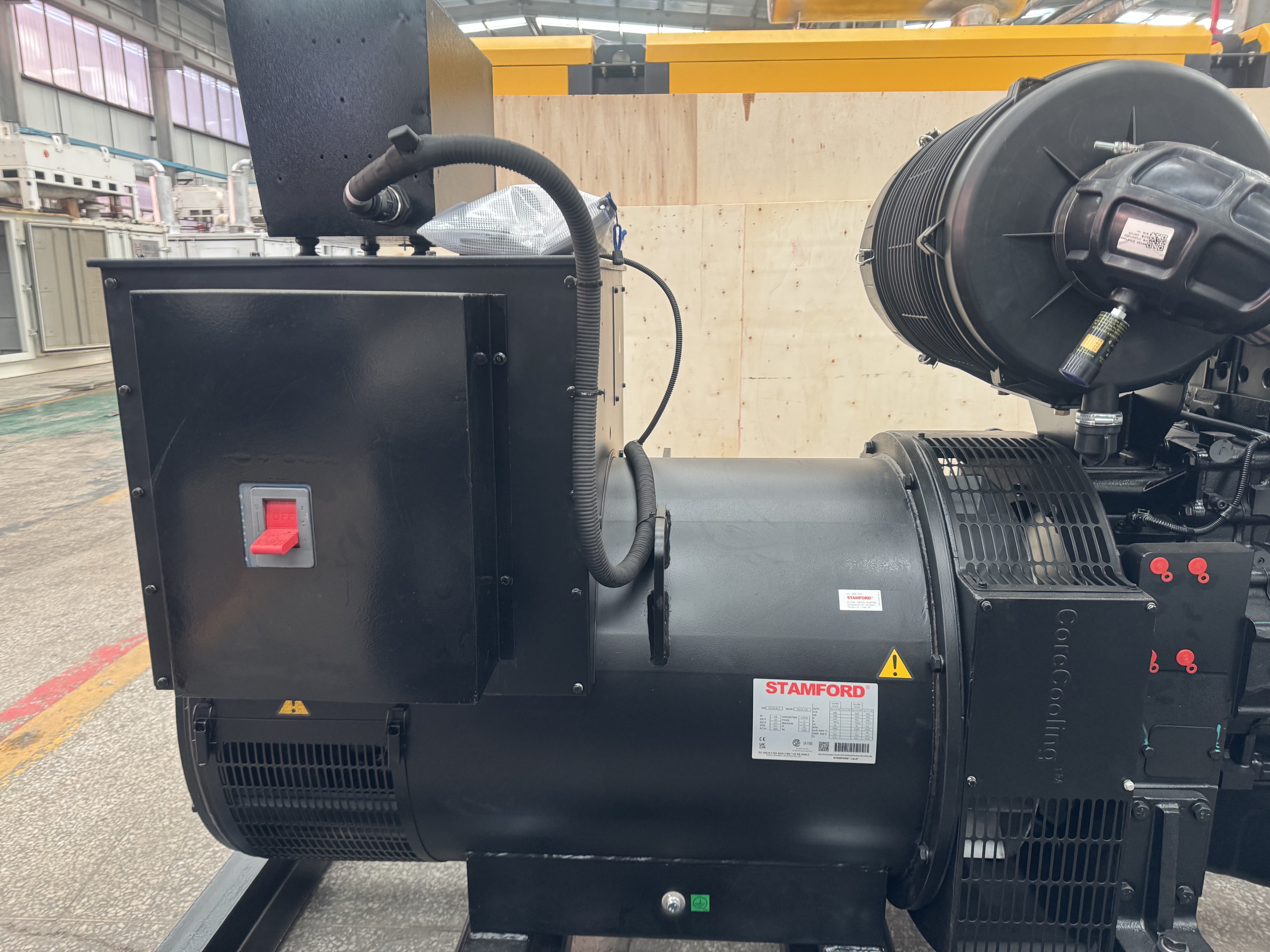
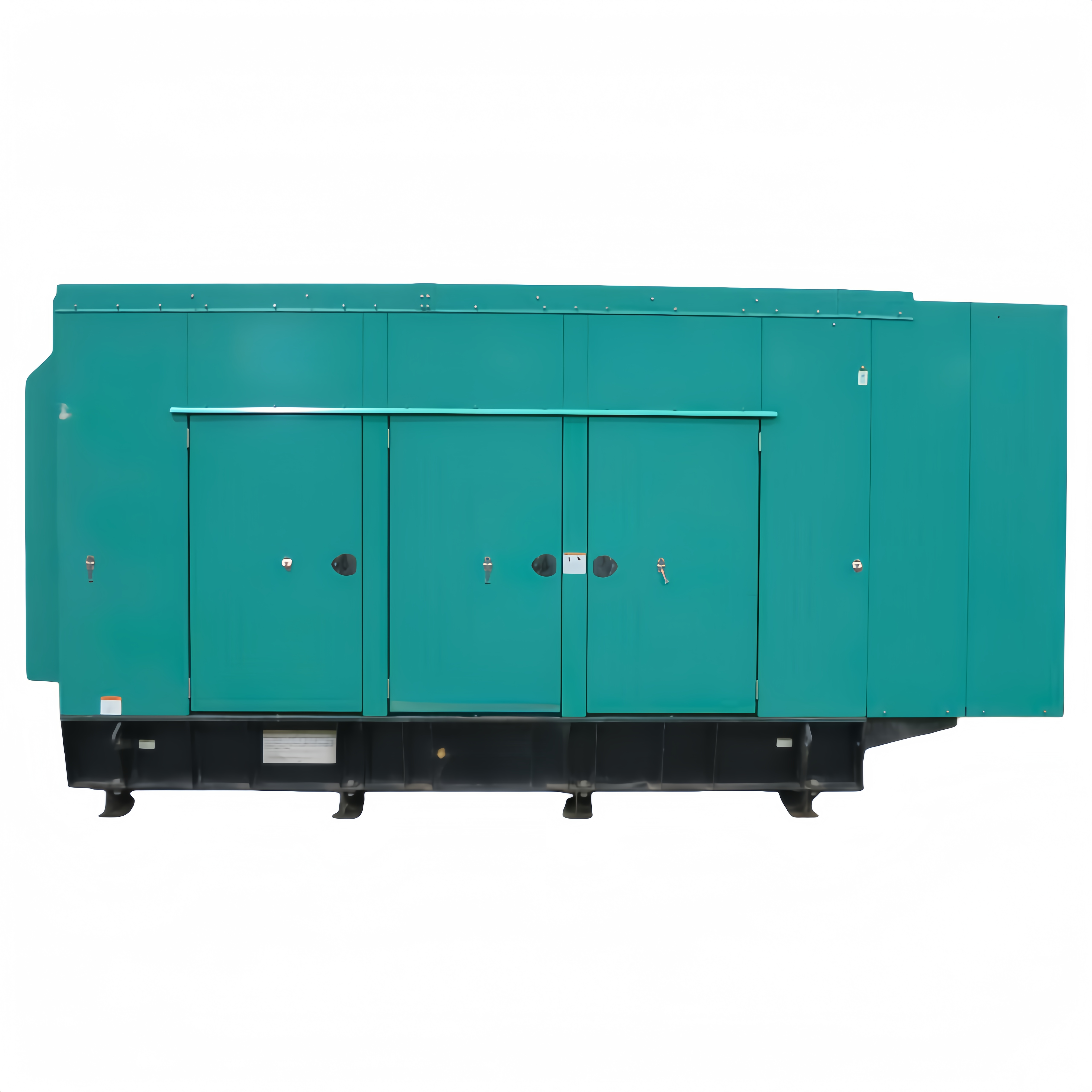
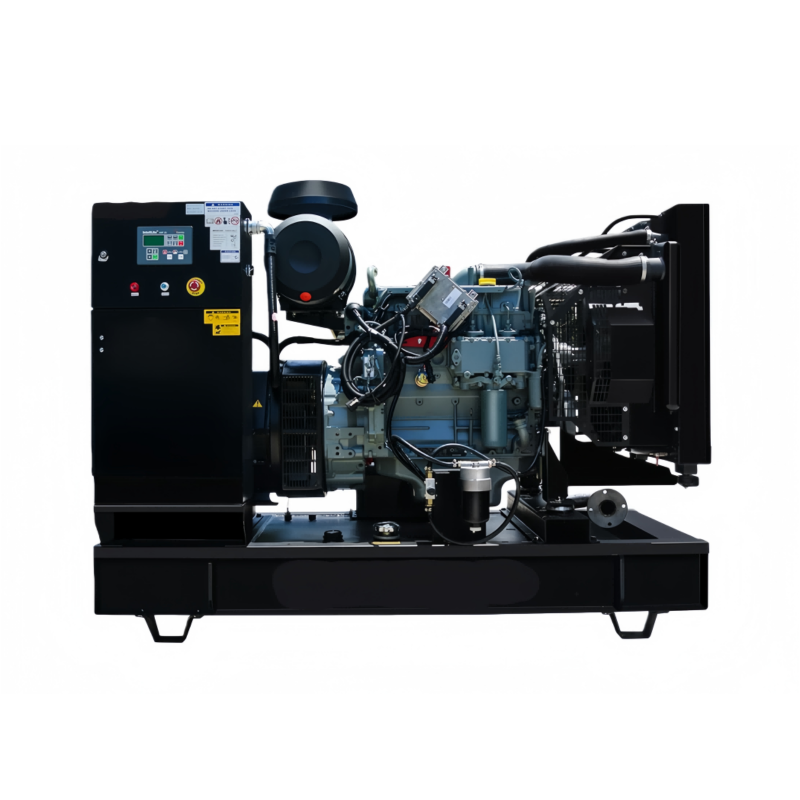
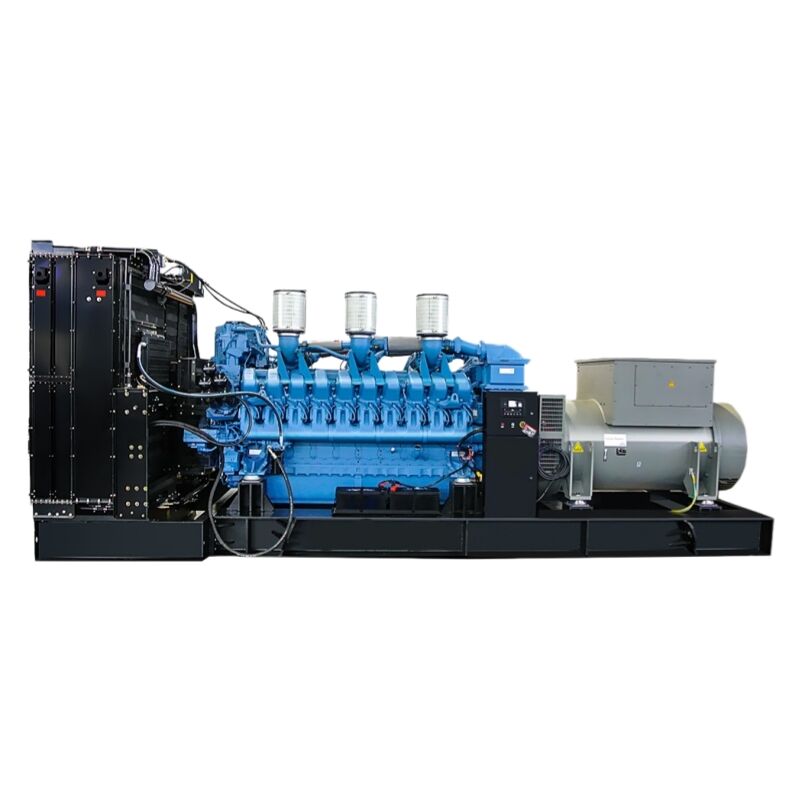
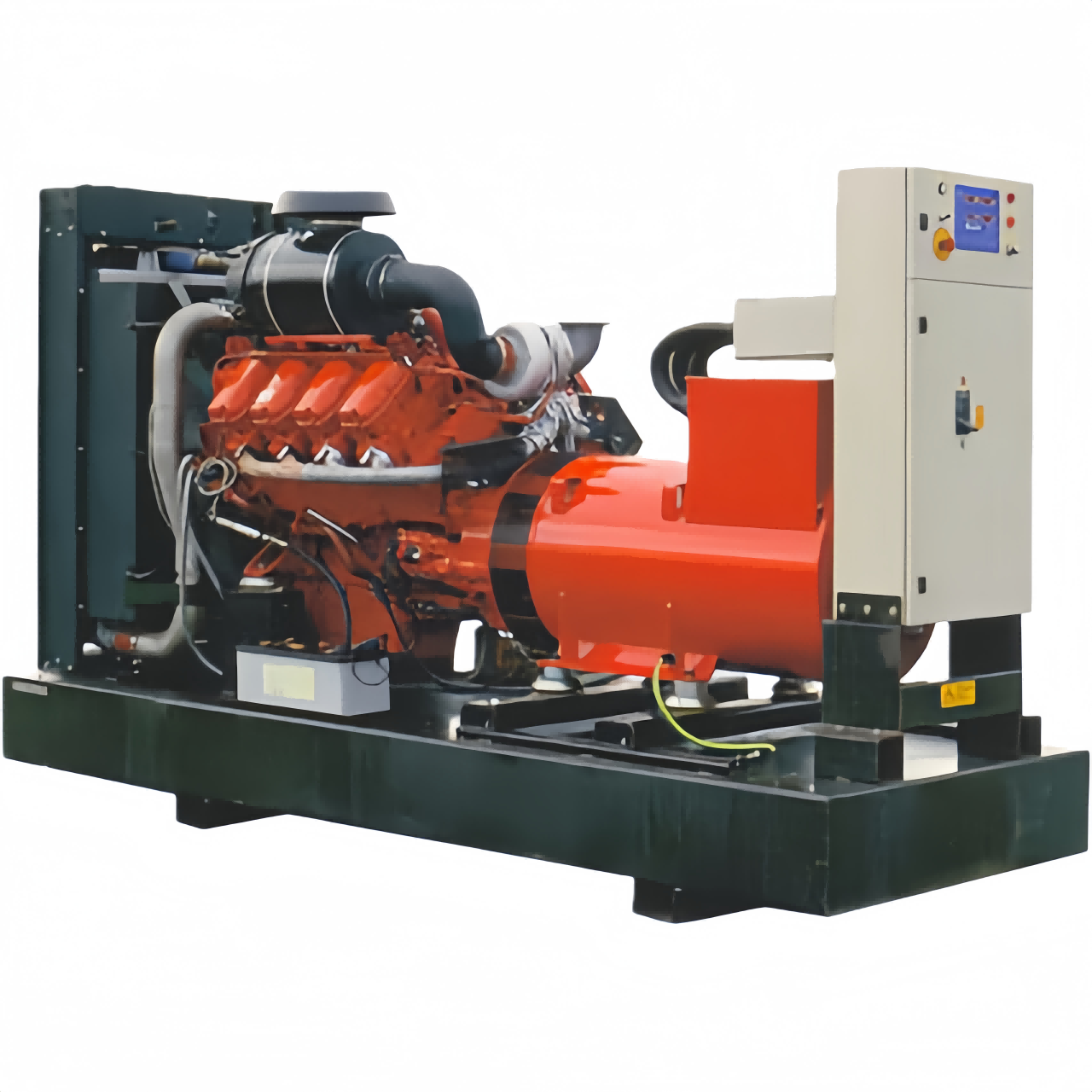
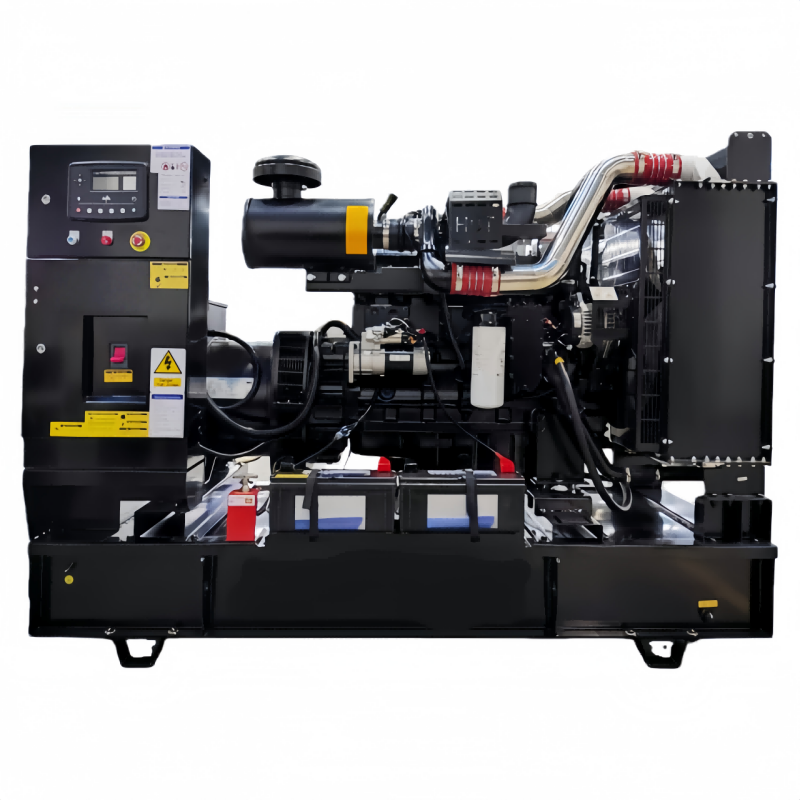
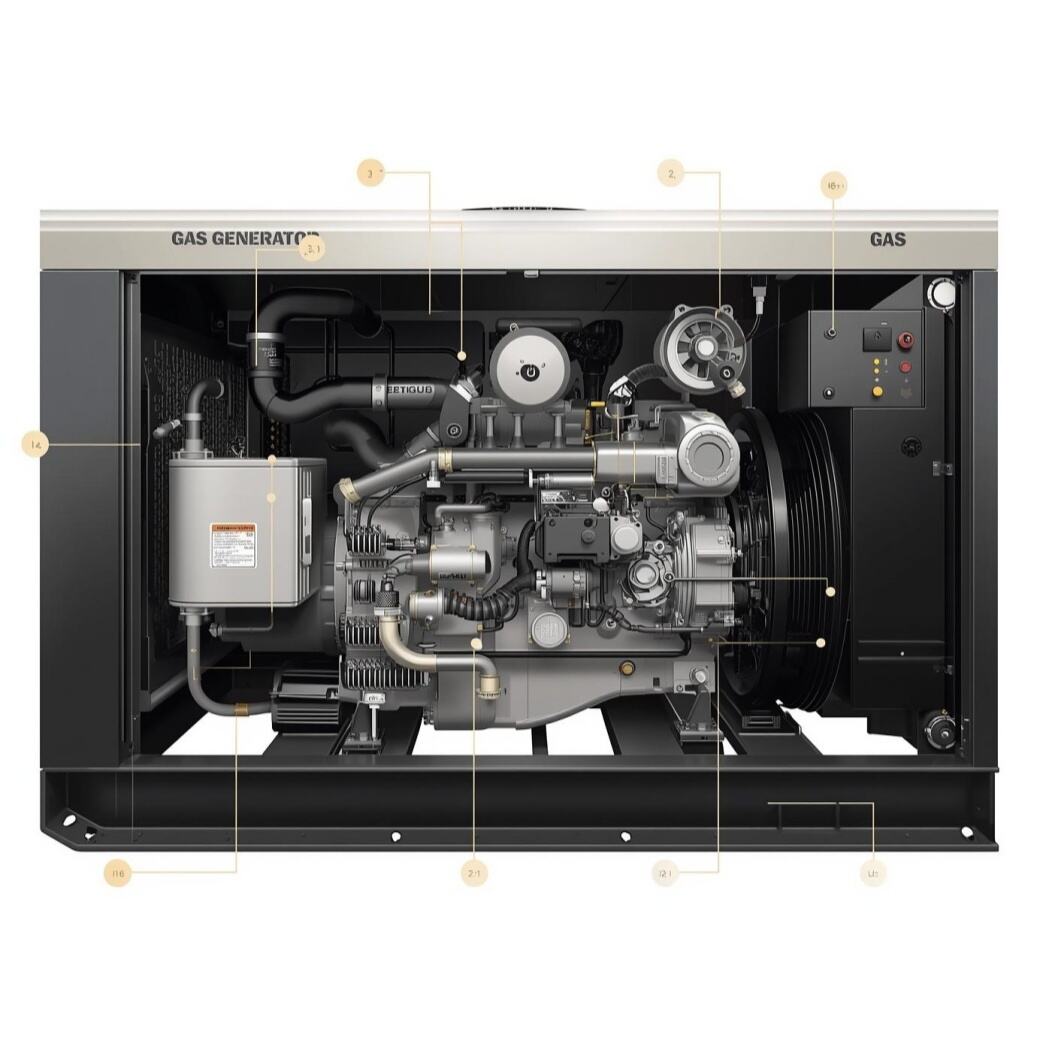
Small diesel engines represent a cornerstone of modern industrial and commercial applications, delivering exceptional performance in compact, efficient packages. These powerhouses typically range from 5 to 100 horsepower, making them ideal for situations where space constraints and fuel efficiency are paramount concerns. The small diesel engine operates on the compression ignition principle, where air is compressed to high temperatures and pressures before fuel injection, creating spontaneous combustion without spark plugs. This fundamental design difference from gasoline engines contributes significantly to their superior fuel economy and longevity. Modern small diesel engines incorporate advanced technologies including direct injection systems, turbocharging capabilities, and electronic control units that optimize performance while reducing emissions. These engines feature robust construction with cast iron blocks and aluminum heads, ensuring durability under demanding operating conditions. The technological features of small diesel engines include variable geometry turbochargers, common rail fuel injection systems, and exhaust gas recirculation systems that enhance efficiency and environmental compliance. Applications for small diesel engines span numerous industries, from agricultural equipment like tractors and tillers to construction machinery including generators, compressors, and portable welding units. Marine applications utilize these engines for small boats and auxiliary power systems, while backup power generation for residential and commercial facilities represents another significant market segment. The versatility of small diesel engines extends to industrial equipment such as forklifts, floor scrubbers, and material handling equipment. Their ability to maintain consistent torque output at low RPMs makes them particularly valuable for applications requiring steady power delivery under varying load conditions. The compact nature of these engines allows for installation in space-limited environments while still providing the reliability and efficiency that diesel technology is renowned for delivering across diverse operational scenarios.

New Product Recommendations

Small diesel engines offer numerous practical benefits that make them the preferred choice for discerning customers seeking reliable, cost-effective power solutions. Fuel efficiency stands as the most compelling advantage, with small diesel engines consuming 20-30% less fuel than comparable gasoline engines. This translates directly into reduced operating costs and extended runtime between refueling, making them economically superior for continuous operation scenarios. The superior torque characteristics of small diesel engines provide exceptional pulling power at low RPMs, delivering consistent performance under heavy loads without the need for high-speed operation. This characteristic proves invaluable for applications requiring steady, reliable power delivery such as generators, water pumps, and industrial equipment. Maintenance requirements for small diesel engines are significantly lower than gasoline alternatives, with longer service intervals and fewer moving parts subject to wear. The absence of spark plugs, distributors, and complex ignition systems reduces maintenance complexity and associated costs. Engine longevity represents another major advantage, with properly maintained small diesel engines often achieving double or triple the operating hours of gasoline engines before requiring major overhauls. This extended lifespan provides exceptional value for investment and reduces total ownership costs over the engine's operational life. Environmental benefits include lower carbon dioxide emissions per unit of work performed, contributing to reduced environmental impact while meeting increasingly stringent emission standards. Small diesel engines operate efficiently across a wide temperature range, starting reliably in cold conditions and maintaining performance in high-temperature environments where gasoline engines might struggle. The robust construction of small diesel engines enables them to handle contaminated fuels and challenging operating conditions that would damage more delicate gasoline engines. Fire safety advantages stem from diesel fuel's higher flash point and lower volatility, reducing explosion risks in enclosed spaces or hazardous environments. Storage benefits include diesel fuel's longer shelf life and resistance to degradation, eliminating concerns about fuel system damage from stale gasoline. These practical advantages combine to create compelling value propositions for customers prioritizing reliability, economy, and long-term performance in their power equipment selections.

Practical Tips

How Noise Is A Silent Type Generator Set?

09

Dec

How Noise Is A Silent Type Generator Set?

View More
How Does a Gas Generator Work?

09

Dec

How Does a Gas Generator Work?

View More
What Is The Difference between Open Generator And Silent Generator?

09

Dec

What Is The Difference between Open Generator And Silent Generator?

View More

Get a Free Quote

Our representative will contact you soon.
Email
Name
Tel/WhatsApp
Company Name
Message
0/1000

small diesel engine

Unmatched Fuel Efficiency and Operating Economy

Unmatched Fuel Efficiency and Operating Economy

The exceptional fuel efficiency of small diesel engines represents their most significant competitive advantage, delivering substantial cost savings and operational benefits that directly impact your bottom line. These engines achieve remarkable fuel economy through advanced combustion technology that extracts maximum energy from every drop of diesel fuel, typically consuming 25-35% less fuel than equivalent gasoline engines. This efficiency stems from diesel fuel's higher energy density and the engine's superior thermal efficiency, which converts a greater percentage of fuel energy into useful work rather than waste heat. For businesses operating equipment daily, this translates into dramatically reduced fuel costs, with many operators reporting savings of hundreds or thousands of dollars annually depending on usage patterns. The economic impact extends beyond immediate fuel savings to include reduced refueling frequency, minimizing downtime and labor costs associated with fuel management. Small diesel engines maintain their efficiency advantage across varying load conditions, delivering consistent fuel economy whether operating at full capacity or partial loads. This characteristic proves particularly valuable for applications with fluctuating power demands, such as generators supporting variable electrical loads or construction equipment handling different tasks throughout the workday. The superior fuel efficiency also provides extended operating range, allowing equipment to work longer between refueling stops and increasing productivity in remote locations where fuel accessibility is limited. Environmental considerations align with economic benefits, as improved fuel efficiency directly correlates with reduced carbon emissions and smaller environmental footprints. Modern small diesel engines incorporate technologies like electronic fuel injection and optimized combustion chambers that further enhance efficiency while meeting strict emission standards. The long-term financial benefits compound over the engine's operational life, with fuel savings often exceeding the initial purchase price difference compared to gasoline alternatives. This makes small diesel engines an intelligent investment for cost-conscious operators prioritizing operational efficiency and sustainable business practices.
Superior Durability and Extended Service Life

Superior Durability and Extended Service Life

Small diesel engines are engineered for exceptional durability and longevity, delivering years of reliable service that far exceeds the operational life of gasoline engines in comparable applications. The robust construction methodology employed in manufacturing these engines includes heavy-duty components designed to withstand the high compression ratios and combustion pressures inherent in diesel operation. Cast iron engine blocks provide superior strength and heat dissipation compared to aluminum alternatives, while reinforced crankshafts and connecting rods handle the increased stresses of diesel combustion cycles. This substantial construction enables small diesel engines to routinely achieve 3,000 to 5,000 operating hours before requiring major maintenance, with many units surpassing 8,000 hours with proper care and maintenance. The absence of electrical ignition systems eliminates common failure points found in gasoline engines, as small diesel engines rely on compression ignition rather than spark plugs, distributors, or ignition coils that require periodic replacement. This simplified design philosophy reduces maintenance complexity while improving overall reliability, particularly in harsh operating environments where electrical components are susceptible to moisture, dirt, and temperature extremes. The thermal efficiency advantages of diesel combustion result in lower operating temperatures and reduced thermal stress on engine components, contributing significantly to extended service life. Quality manufacturing processes ensure precise tolerances and superior metallurgy in critical components, while advanced lubrication systems protect moving parts under demanding operating conditions. The economic implications of this durability are substantial, as extended service life reduces replacement costs and minimizes equipment downtime associated with engine failures. Many operators report that their small diesel engines continue providing reliable service long after equivalent gasoline engines would require replacement, making them excellent long-term investments for businesses prioritizing equipment reliability and cost control. This durability advantage becomes increasingly valuable in commercial applications where equipment failure can result in costly downtime and lost productivity.
Exceptional Performance Under Load and Adverse Conditions

Exceptional Performance Under Load and Adverse Conditions

Small diesel engines excel in delivering consistent, reliable performance under demanding load conditions and challenging environmental circumstances that would compromise the effectiveness of gasoline engines. The superior torque characteristics inherent in diesel combustion provide exceptional pulling power at low RPMs, enabling these engines to maintain steady performance when powering heavy equipment, generators under full electrical load, or pumps moving viscous fluids. This torque advantage stems from the diesel combustion process, which generates peak torque at lower engine speeds compared to gasoline engines that require higher RPMs to achieve maximum power output. The practical benefit for operators is equipment that responds effectively to sudden load increases without bogging down or requiring downshifting, maintaining productivity even when operating conditions become demanding. Small diesel engines demonstrate remarkable adaptability to adverse environmental conditions, starting reliably in cold temperatures where gasoline engines might struggle and maintaining performance in high-temperature environments that could cause vapor lock in gasoline fuel systems. The robust fuel system design handles contaminated or lower-quality diesel fuel that would damage sensitive gasoline engine components, making these engines particularly valuable in remote locations or developing regions where premium fuel may not be readily available. Altitude performance remains consistent due to the diesel engine's ability to operate efficiently across a wide range of air densities, unlike naturally aspirated gasoline engines that lose power significantly at higher elevations. The inherent safety advantages include resistance to vapor ignition and lower fire risk due to diesel fuel's higher flash point and reduced volatility compared to gasoline. This safety characteristic makes small diesel engines preferred choices for applications in enclosed spaces, around combustible materials, or in industrial environments where fire safety is paramount. The consistent power delivery and reliable operation under stress make these engines invaluable for critical applications such as emergency generators, fire pumps, and essential industrial processes where performance reliability can have significant safety and economic implications.
Small Diesel Engines: Superior Fuel Efficiency, Durability & Performance Solutions

Get a Free Quote

Our representative will contact you soon.
Email
Name
Tel/WhatsApp
Company Name
Message
0/1000