 EN
EN

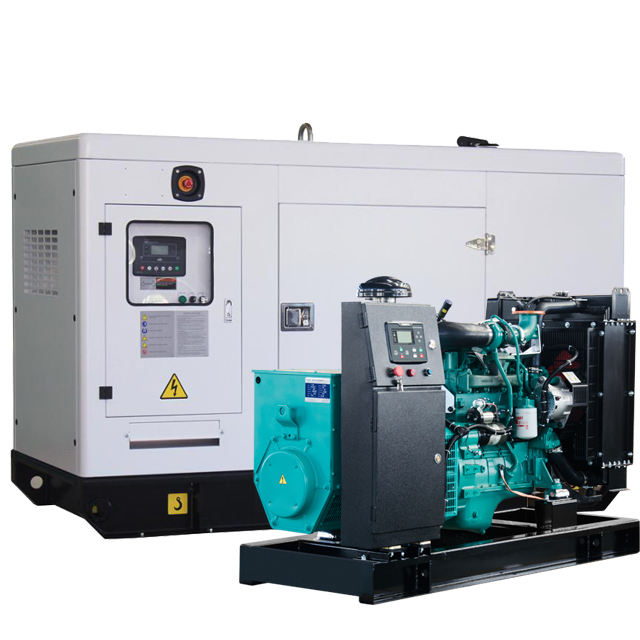
A power generator relies on effective cooling to maintain peak performance and prevent catastrophic failure. When a power generator cooling system malfunctions, equipment downtime and costly repairs become inevitable. Understanding the most common power generator cooling problems and their solutions is essential for industrial operations, construction sites, data centers, and backup power applications. This guide explores the critical cooling challenges that affect every power generator, the underlying causes, and proven solutions to keep your equipment running reliably.
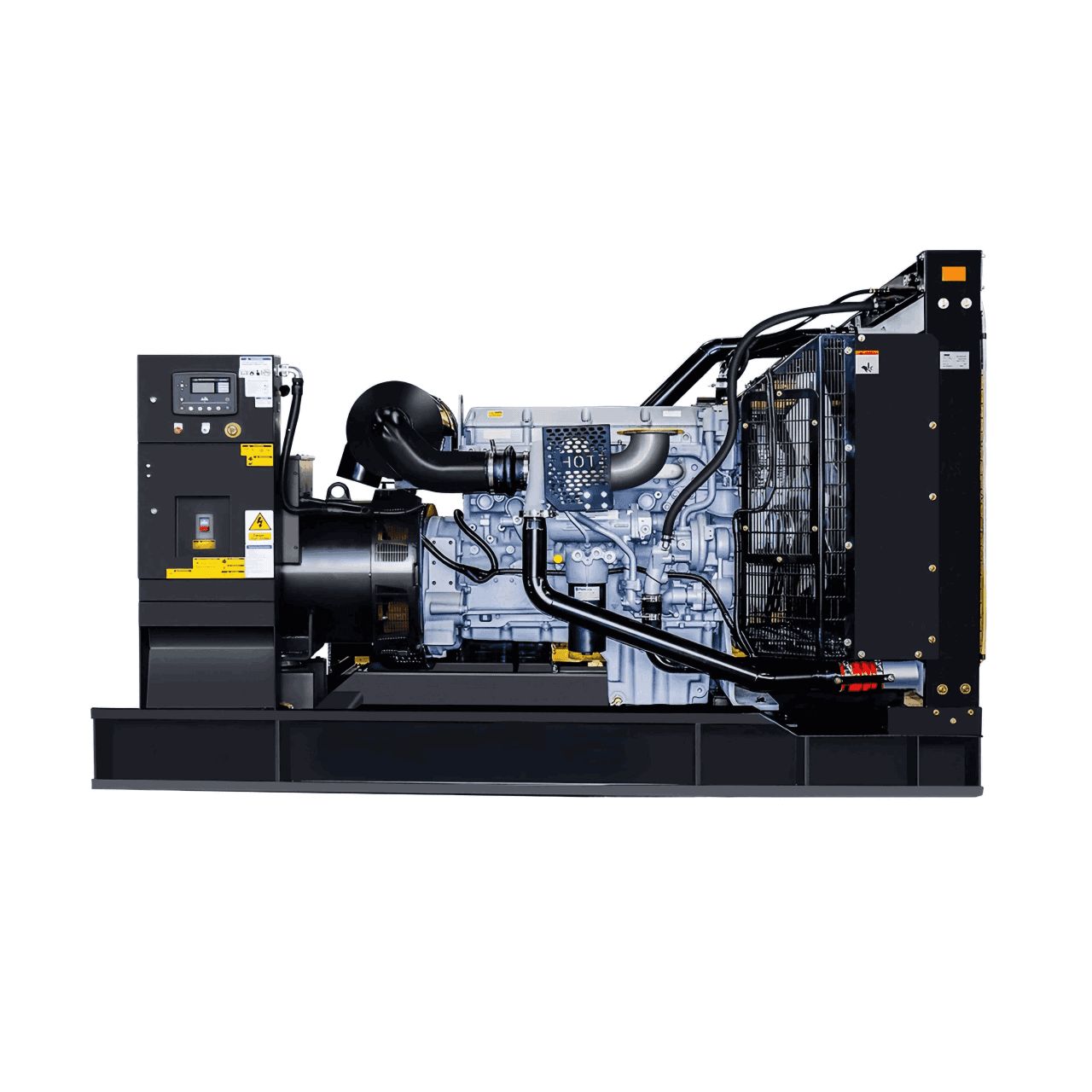
The cooling system in any power generator operates under extreme stress, circulating coolant through the engine block while managing heat dissipation through radiators and fans. When this system deteriorates, engine temperatures rise rapidly, triggering automatic shutdowns and reducing operational reliability. Facility managers and operators who identify cooling issues early can prevent expensive emergency repairs and maintain consistent power delivery. This article provides actionable troubleshooting strategies for the most frequent power generator cooling failures.
Identifying Common Cooling System Failures in Power Generators
Coolant Leaks and Low Fluid Levels
Coolant leaks represent one of the most frequent power generator cooling problems encountered in the field. A leaking power generator cooling system loses coolant capacity, forcing the engine to operate at higher temperatures. Visible puddles beneath the generator, white crusty deposits around hose connections, or a sweet smell near the equipment all signal potential leaks. These leaks often originate from degraded hose clamps, corroded pipe joints, or worn gaskets in the water pump assembly. Regular visual inspections of your power generator can catch small leaks before they escalate into major cooling failures.
Radiator Blockage and Debris Accumulation
Dust, debris, and mineral deposits accumulate inside radiator cores, severely compromising the cooling capacity of any power generator. A blocked power generator radiator cannot efficiently transfer heat from coolant to ambient air, causing engine temperature to climb uncontrollably. External fins become clogged with dirt, pollen, and environmental particles, particularly in industrial settings or outdoor installations. When a power generator radiator becomes severely blocked, the engine thermal protection system activates, forcing shutdown to prevent damage. Cleaning the radiator fins and flushing the internal passages restores proper heat exchange in your power generator cooling system.
Root Causes and Prevention Strategies
Inadequate Maintenance Intervals and Fluid Degradation
Coolant degrades over time due to oxidation, contamination, and thermal cycling stress within your power generator system. Old coolant loses its corrosion inhibitors, allowing rust particles to circulate and block narrow passages in the power generator cooling network. Many operators neglect coolant replacement schedules, assuming the fluid remains effective indefinitely. This oversight directly causes premature power generator cooling problems and accelerates internal component wear. Following manufacturer-recommended coolant flush intervals, typically every 2,000 to 5,000 operating hours depending on the power generator model, maintains system integrity and prevents cascade failures.
Fan and Thermostat Malfunctions
The cooling fan and thermostat regulate heat dissipation by controlling coolant flow and fan engagement speed based on engine temperature. When a power generator thermostat sticks in the closed position, coolant circulation ceases, causing rapid temperature rise and system shutdown. Conversely, a stuck-open thermostat prevents the engine from reaching optimal operating temperature, reducing fuel efficiency and increasing emissions. Fan belt slippage or bearing failure in the fan assembly also reduces cooling airflow through the radiator. Diagnosing power generator cooling problems requires testing the thermostat response and verifying fan engagement during load operation.
Effective Solutions and Troubleshooting Procedures
Step-by-Step Cooling System Inspection and Repair
Begin troubleshooting power generator cooling issues by checking coolant level while the engine is cool. A significantly low level indicates an active leak within your power generator system that requires immediate investigation. Inspect all hose connections, clamps, and visible pipe joints for signs of seepage or corrosion. Tighten loose clamps gently to avoid damaging hoses, and replace deteriorated clamps with new stainless steel units that resist corrosion. For power generator systems showing persistent cooling problems after basic repairs, perform a pressure test using a cooling system tester to identify hidden leaks in the water pump seal or internal engine gaskets.
Radiator Cleaning and Coolant Flushing
Professional radiator cleaning removes stubborn deposits that simple external washing cannot address. Backflush the radiator with pressurized water to dislodge debris trapped in core passages, then perform a complete coolant system flush using a dedicated flushing solution designed for your power generator type. The flush dissolves rust, scale, and oxidation products that impede cooling performance. After draining all old coolant, refill the power generator with fresh fluid meeting the manufacturer's specifications. Adding a quality coolant conditioner extends the service life of your power generator cooling system and provides enhanced corrosion protection, particularly important in harsh industrial environments.
Component Replacement and System Optimization
When power generator cooling problems persist despite cleaning and maintenance, individual components require replacement. Faulty thermostats, failed water pump seals, and degraded radiator cores all compromise system performance. Replace the thermostat housing gasket to eliminate leaks originating from this common failure point. Upgrade to a heavy-duty cooling fan blade with superior airflow characteristics, increasing heat dissipation capacity of your power generator system. Installing an auxiliary cooler extends cooling capacity, especially valuable for power generator units operating in tropical climates or confined spaces with restricted ambient cooling air.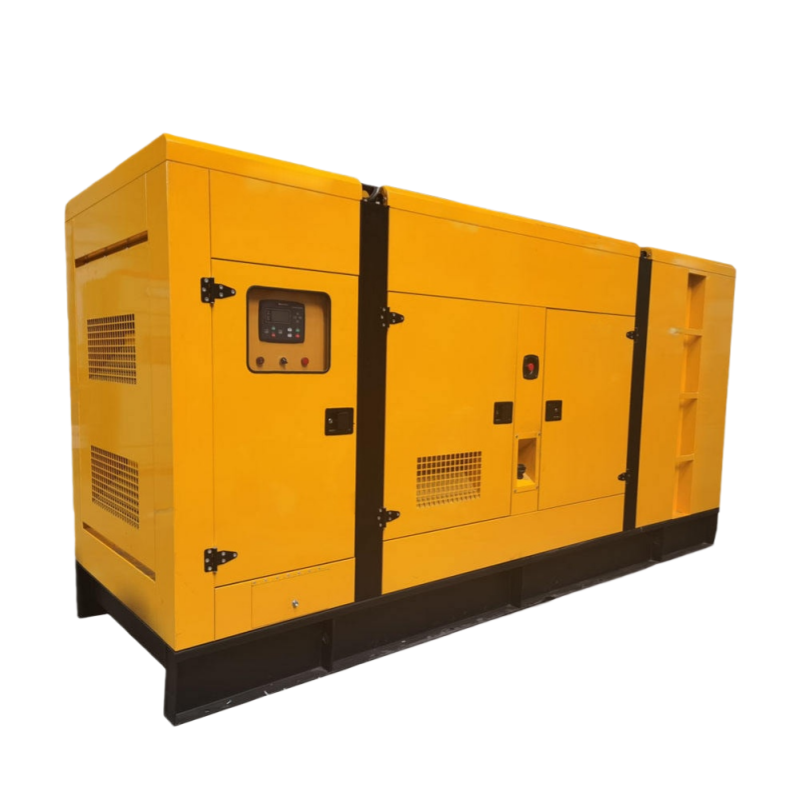
FAQ
What are the warning signs that my power generator cooling system is failing?
Watch for rising coolant temperature gauge readings, automatic engine shutdowns during heavy load, visible coolant leaks beneath the equipment, steam or vapor escaping from the radiator cap area, and reduced cooling fan noise or engagement. These indicators signal imminent power generator cooling problems requiring immediate investigation before catastrophic engine damage occurs.
How often should I service my power generator cooling system?
Most manufacturers recommend coolant replacement every 2,000 to 5,000 operating hours, depending on the specific power generator model and operating environment. Radiator cleaning should occur annually or more frequently in dusty industrial settings. Hose and clamp inspection should happen during every 500-hour service interval to catch early power generator cooling problems before they escalate into major failures.
Can I use any coolant type in my power generator?
No, always use coolant specifically formulated for your power generator engine type and specified in the manufacturer's manual. Using incorrect coolant degrades seals, reduces corrosion protection, and accelerates power generator cooling system deterioration. Mixing different coolant types creates chemical reactions that damage gaskets and cause internal corrosion, leading to expensive repairs and prolonged equipment downtime.