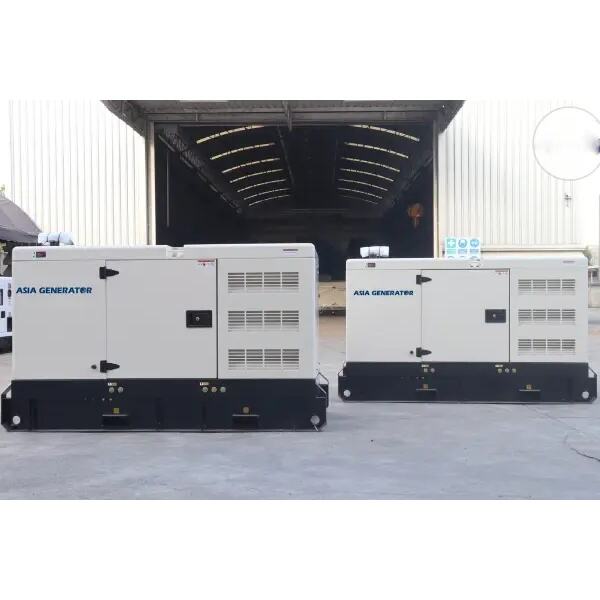
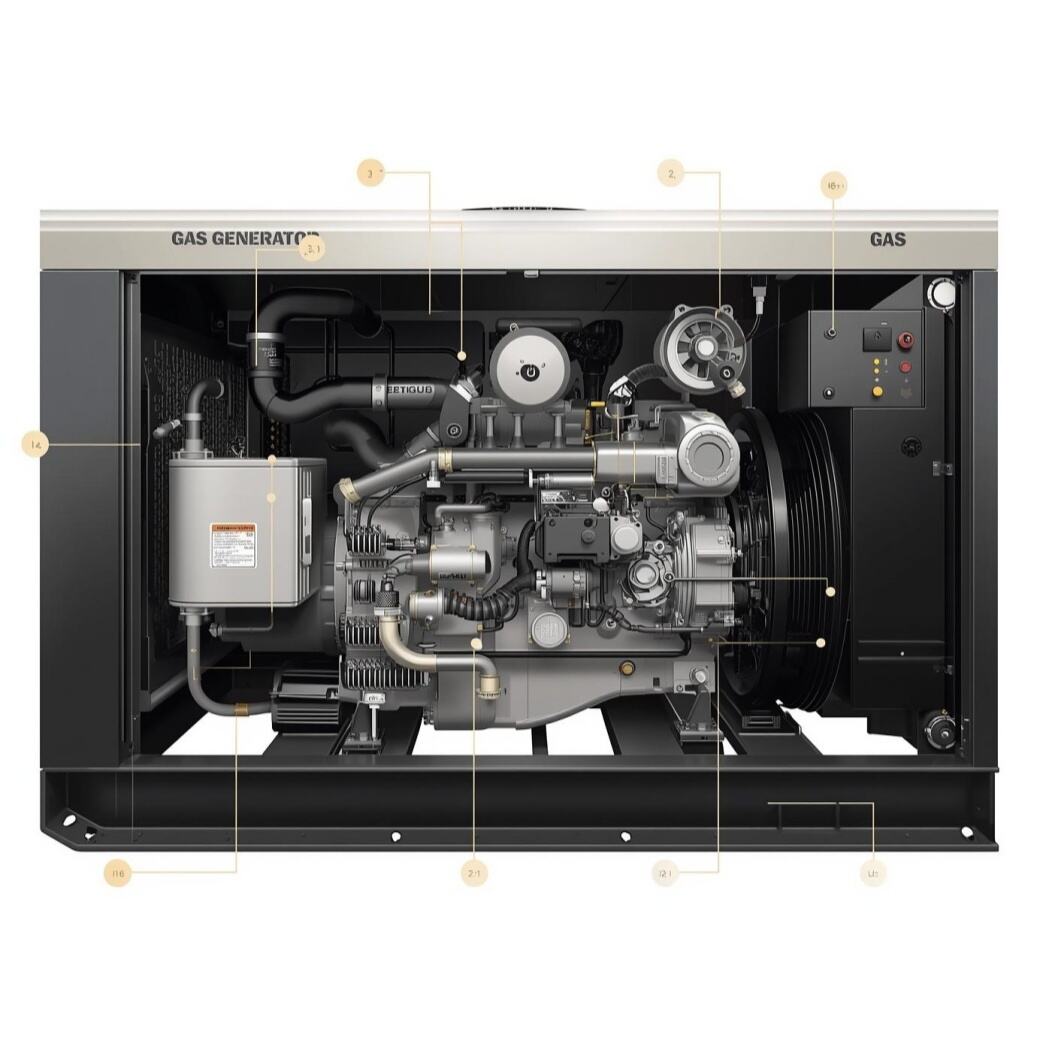
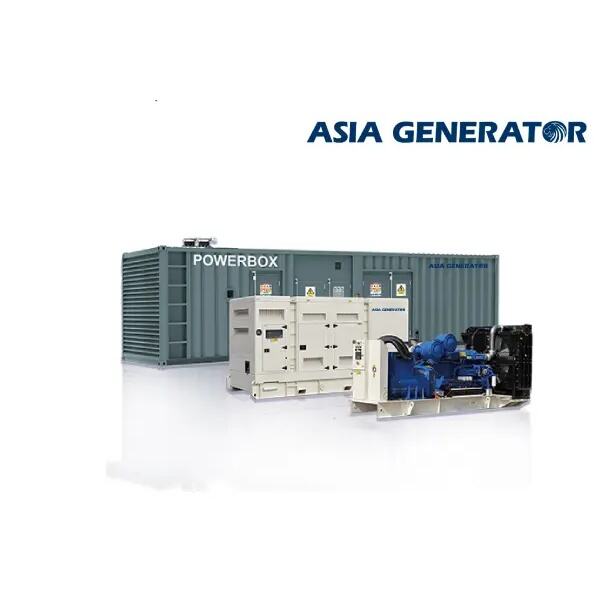
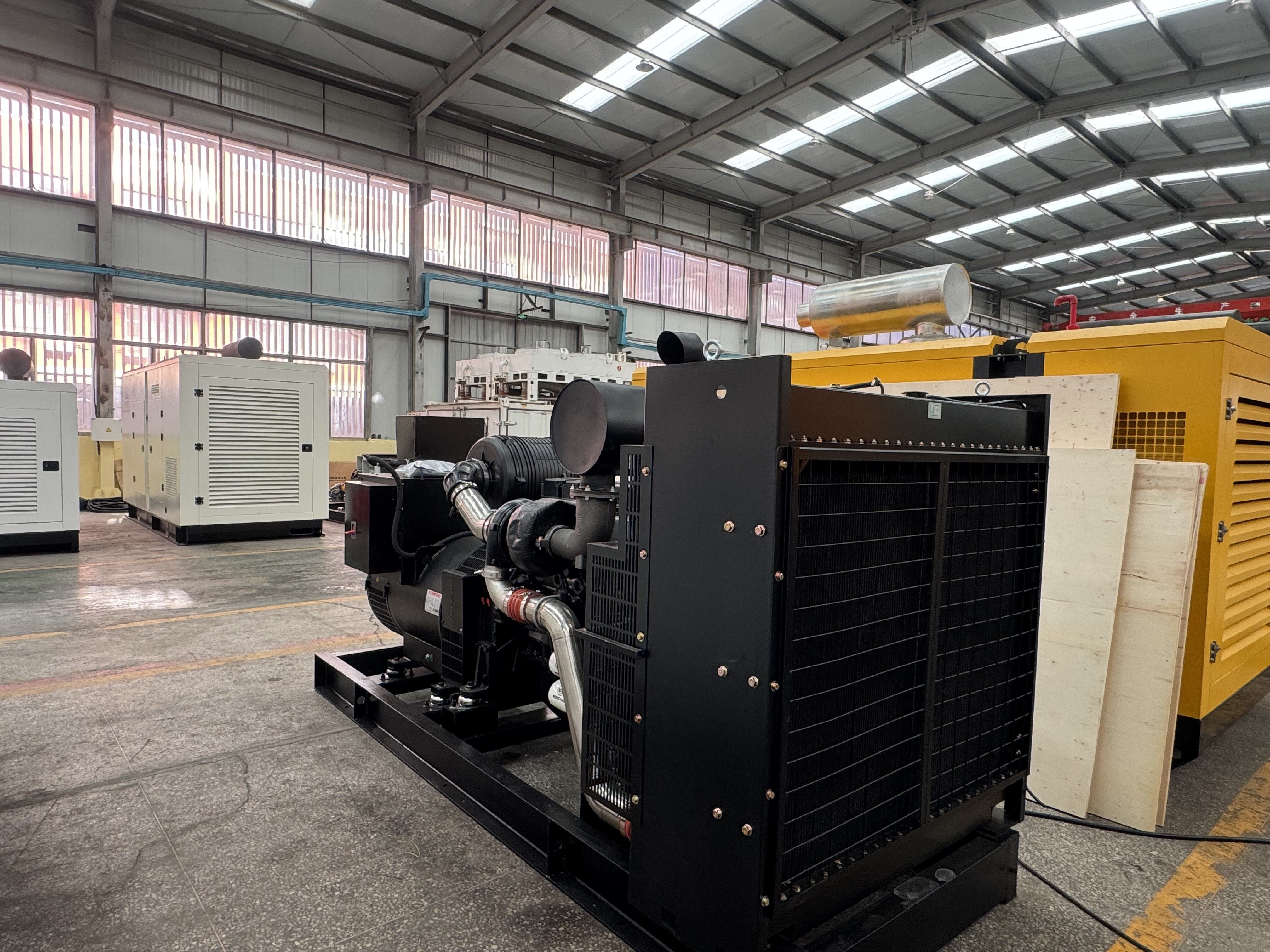
Advanced Power Generation Systems: Efficient, Reliable & Sustainable Electricity Solutions

All Categories

Get a Free Quote

Our representative will contact you soon.
Email
Name
Tel/WhatsApp
Company Name
Message
0/1000

power generation

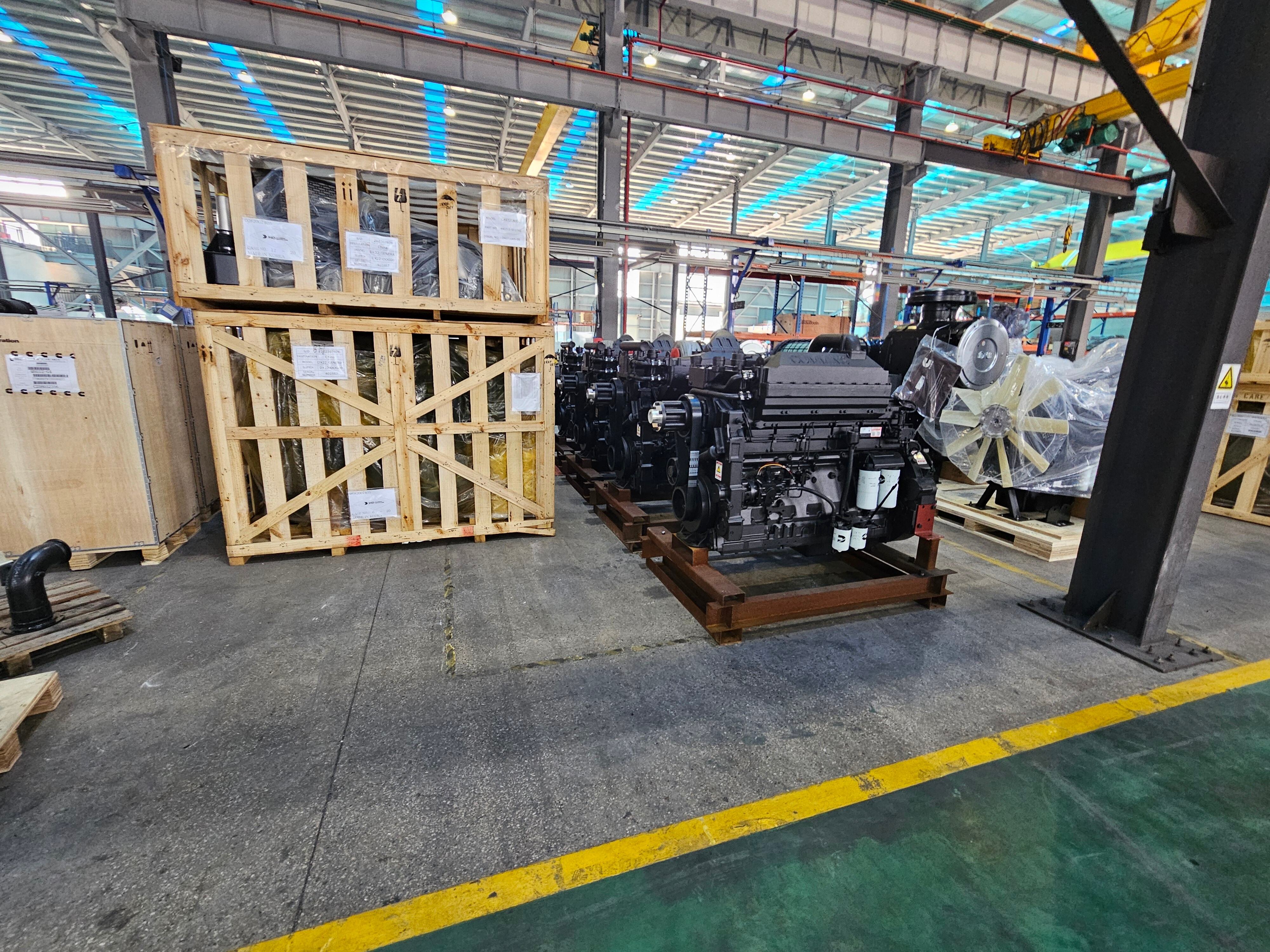
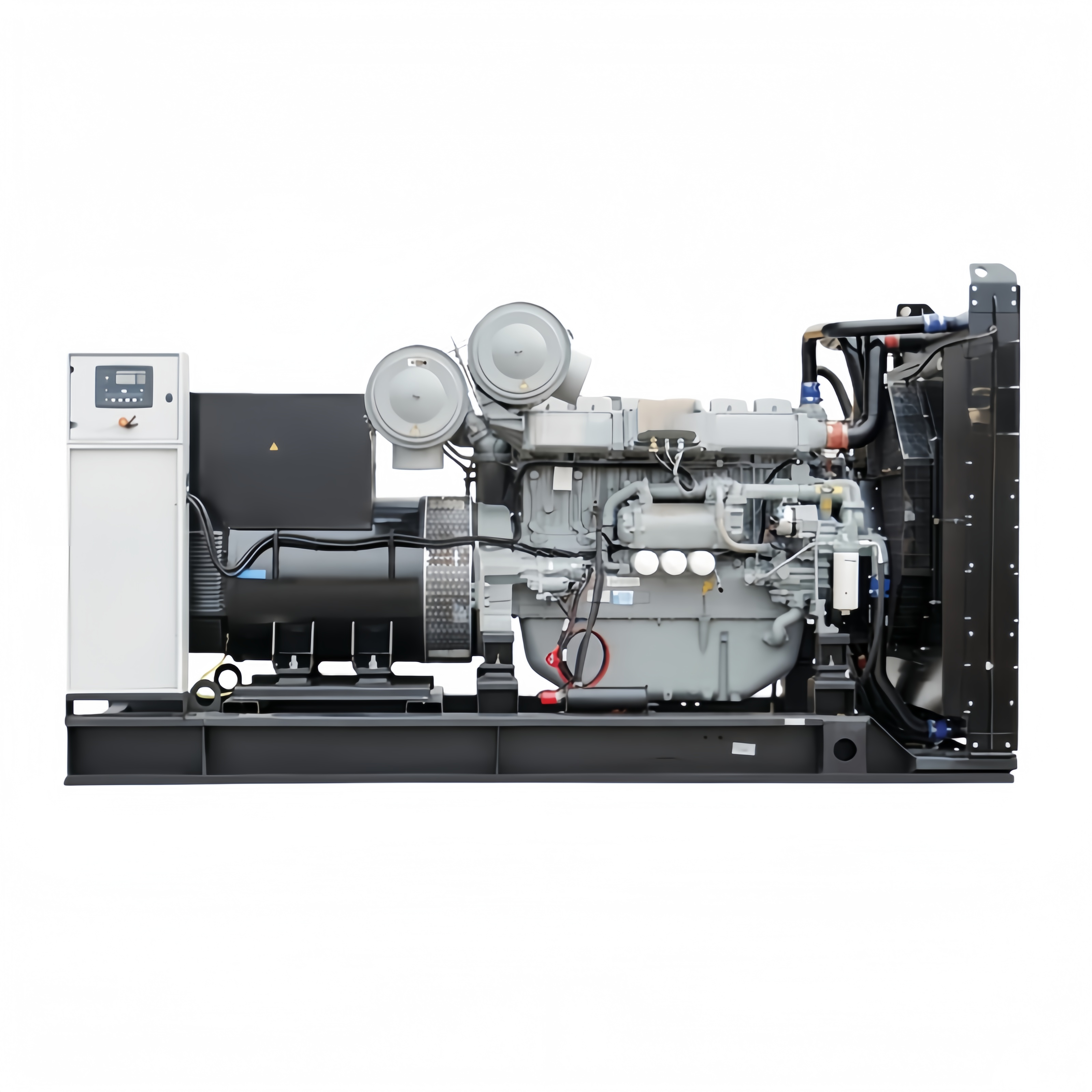
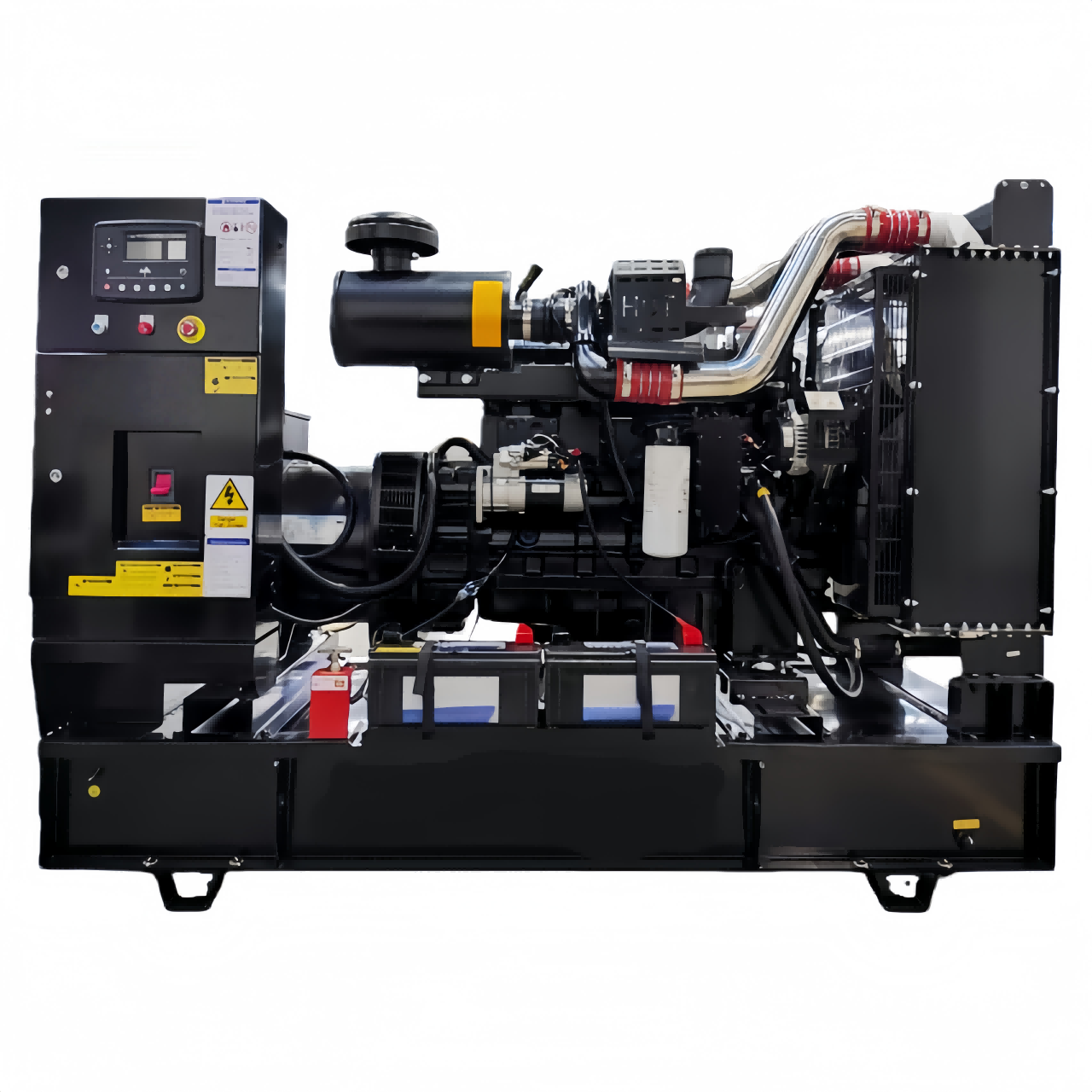
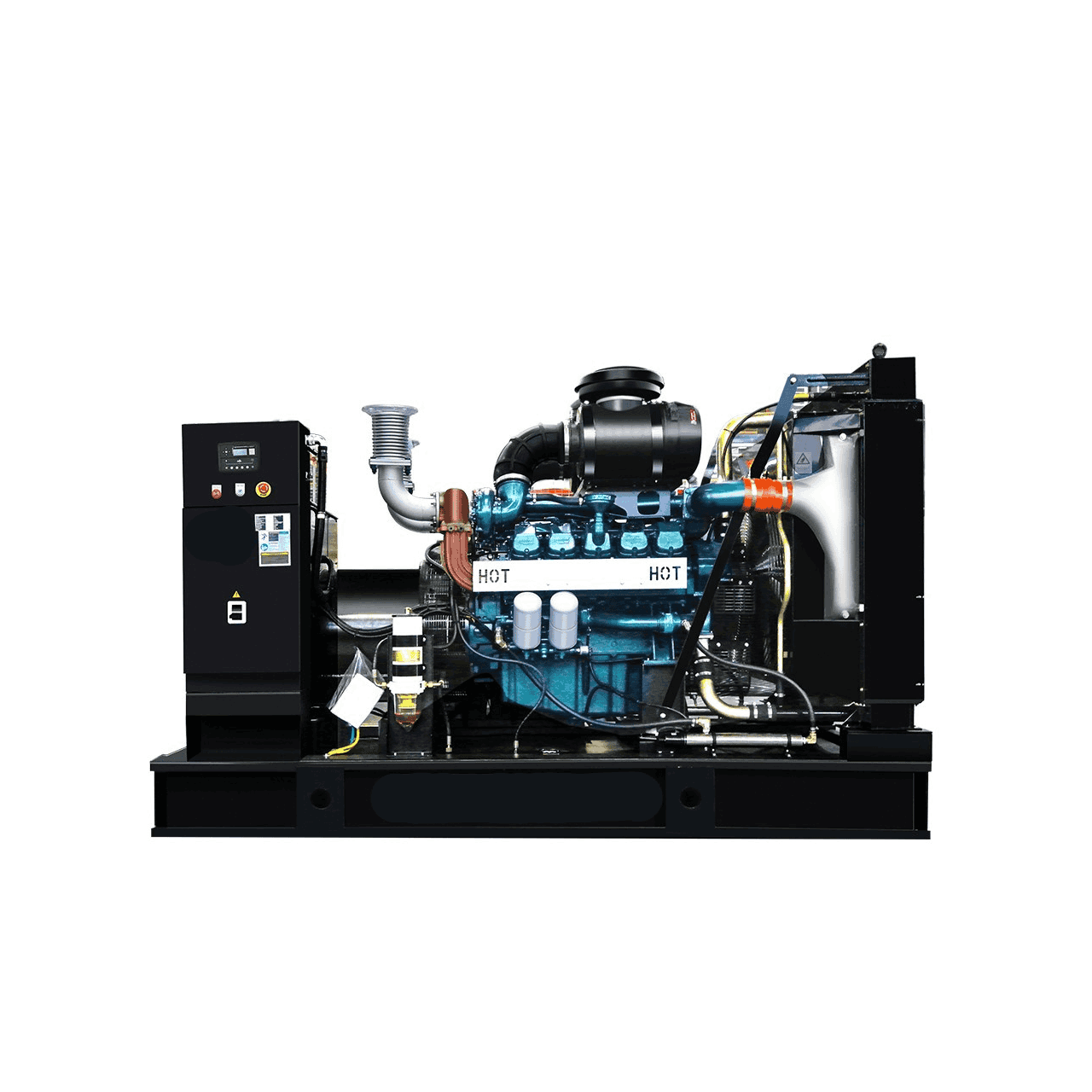
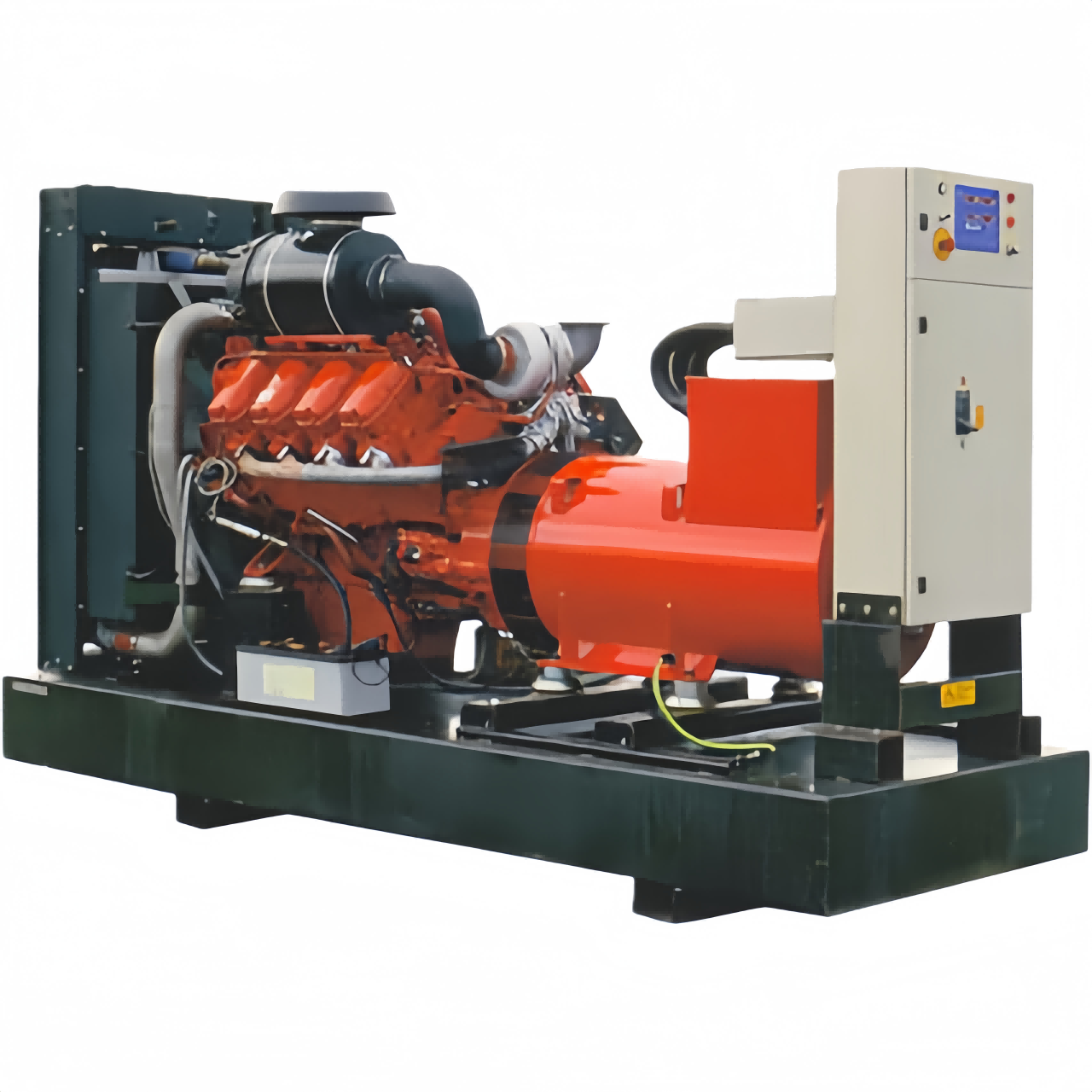
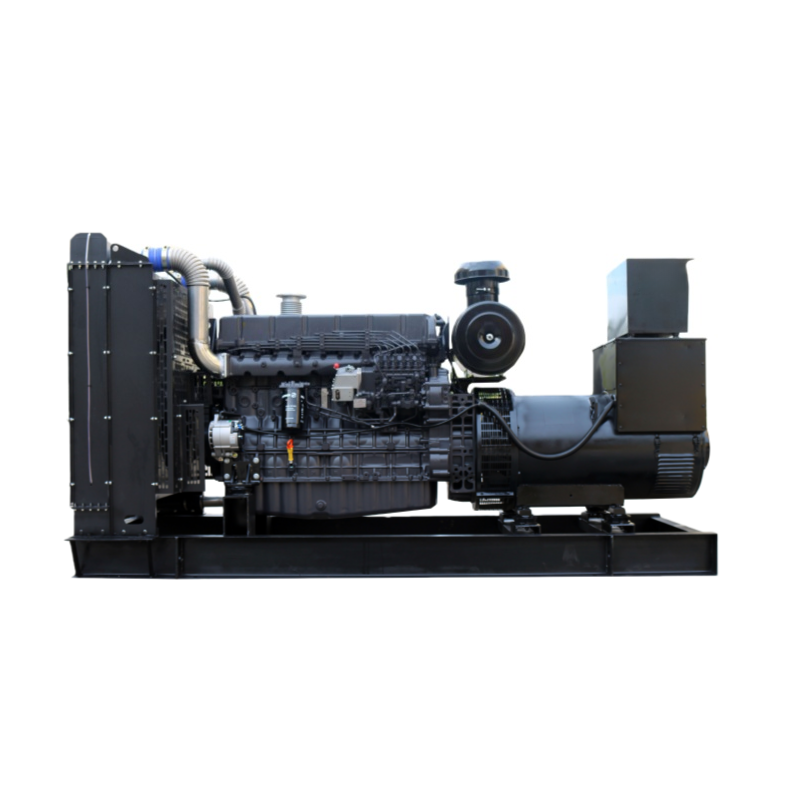
Power generation represents the fundamental process of converting various energy sources into electrical power that drives modern civilization. This critical infrastructure encompasses multiple technologies and methods designed to produce electricity efficiently and reliably for residential, commercial, and industrial applications. Modern power generation systems utilize diverse energy sources including fossil fuels, renewable resources like solar and wind, nuclear materials, and hydroelectric systems to meet growing global energy demands. The technological landscape of power generation has evolved significantly, incorporating smart grid technologies, advanced turbine designs, and sophisticated control systems that optimize performance while minimizing environmental impact. Primary functions of power generation facilities include energy conversion, voltage regulation, frequency control, and grid stabilization to ensure consistent electricity supply. These systems feature advanced monitoring capabilities, automated safety protocols, and real-time performance analytics that enhance operational efficiency. Power generation plants employ cutting-edge technologies such as combined cycle systems, cogeneration units, and energy storage solutions that maximize output while reducing waste. Applications span across multiple sectors including utilities, manufacturing facilities, hospitals, data centers, and residential complexes that require uninterrupted power supply. Modern power generation infrastructure integrates seamlessly with distribution networks, enabling efficient transmission across vast distances through high-voltage transmission lines. The industry continues advancing through innovations in turbine efficiency, emission reduction technologies, and grid integration capabilities that support sustainable energy transitions. Contemporary power generation systems incorporate predictive maintenance technologies, artificial intelligence algorithms, and remote monitoring capabilities that ensure optimal performance and minimize downtime.

Popular Products

Power generation systems deliver exceptional reliability that ensures consistent electricity supply for critical operations and daily activities. These robust systems maintain stable power output even during challenging weather conditions or peak demand periods, providing peace of mind for businesses and households alike. The economic benefits of modern power generation are substantial, offering long-term cost savings through improved fuel efficiency and reduced operational expenses. Advanced power generation technologies significantly lower maintenance requirements compared to older systems, reducing both scheduled and unscheduled downtime that can disrupt operations. Environmental advantages include reduced emissions through cleaner combustion processes and improved efficiency ratings that minimize carbon footprint. Modern power generation facilities incorporate state-of-the-art pollution control systems that meet stringent environmental regulations while maintaining high performance standards. Scalability represents another key advantage, allowing power generation systems to expand capacity based on growing energy demands without requiring complete infrastructure overhauls. These systems offer flexible fuel options, enabling operators to switch between different energy sources based on availability and cost considerations. Enhanced safety features protect both operators and surrounding communities through automated shutdown systems, comprehensive monitoring networks, and redundant safety protocols. Power generation systems provide energy independence by reducing reliance on external power sources and volatile energy markets. The integration capabilities of modern systems allow seamless connection with renewable energy sources, creating hybrid solutions that optimize both efficiency and sustainability. Operational flexibility enables power generation facilities to respond quickly to grid demands, supporting frequency regulation and voltage stability across electrical networks. Advanced control systems provide real-time performance optimization, automatically adjusting operating parameters to maintain peak efficiency under varying load conditions. These systems deliver superior power quality with minimal voltage fluctuations and frequency variations that protect sensitive electronic equipment. The durability of modern power generation equipment ensures decades of reliable service with proper maintenance, providing excellent return on investment for operators and stakeholders.

Latest News

How Noise Is A Silent Type Generator Set?

09

Dec

How Noise Is A Silent Type Generator Set?

View More
How Does a Gas Generator Work?

09

Dec

How Does a Gas Generator Work?

View More
What Is The Difference between Open Generator And Silent Generator?

09

Dec

What Is The Difference between Open Generator And Silent Generator?

View More

Get a Free Quote

Our representative will contact you soon.
Email
Name
Tel/WhatsApp
Company Name
Message
0/1000

power generation

Advanced Efficiency Technologies

Advanced Efficiency Technologies

Modern power generation systems incorporate revolutionary efficiency technologies that dramatically improve energy conversion rates while reducing fuel consumption and operational costs. These advanced systems utilize sophisticated combustion optimization techniques, including precise fuel-air mixing ratios and temperature control mechanisms that maximize energy extraction from every unit of fuel consumed. The integration of combined cycle technology represents a significant breakthrough in power generation efficiency, capturing waste heat from primary combustion processes and converting it into additional electrical output. This innovative approach can achieve efficiency ratings exceeding 60 percent, compared to traditional systems that typically operate at 35-40 percent efficiency levels. Advanced turbine designs feature aerodynamically optimized blade profiles, high-temperature resistant materials, and precision manufacturing techniques that minimize energy losses during the conversion process. These efficiency improvements translate directly into substantial cost savings for operators, reducing fuel expenses by up to 25 percent while maintaining equivalent power output levels. The environmental benefits are equally impressive, as higher efficiency ratings result in proportionally lower emissions per unit of electricity generated. Smart control systems continuously monitor and adjust operating parameters in real-time, ensuring optimal performance across varying load conditions and ambient temperatures. These systems employ machine learning algorithms that analyze historical performance data to predict and prevent efficiency degradation before it occurs. The economic impact of these efficiency gains extends beyond immediate fuel savings, contributing to improved grid stability and reduced transmission losses throughout the electrical network. Additionally, the enhanced efficiency of modern power generation systems supports the integration of renewable energy sources by providing reliable backup power that complements intermittent wind and solar generation.
Comprehensive Safety and Reliability Systems

Comprehensive Safety and Reliability Systems

Power generation facilities prioritize safety and reliability through multi-layered protection systems that ensure secure operations under all conditions while protecting personnel, equipment, and surrounding communities. These comprehensive safety networks incorporate redundant monitoring systems, automated emergency response protocols, and fail-safe mechanisms that activate immediately when abnormal conditions are detected. Advanced fire suppression systems utilize specialized extinguishing agents designed specifically for electrical environments, providing rapid response capabilities that minimize damage and downtime. Structural integrity monitoring employs sophisticated sensors that continuously assess the condition of critical components, detecting potential issues before they develop into serious problems. The reliability advantages extend to sophisticated backup systems that maintain essential functions during primary system maintenance or unexpected outages. These systems feature multiple independent power sources, ensuring continuous operation of safety systems even during complete facility shutdowns. Personnel protection measures include comprehensive training programs, personal protective equipment requirements, and strict access control protocols that limit exposure to hazardous areas. Environmental protection systems monitor emissions levels continuously, automatically adjusting operations to maintain compliance with regulatory standards while alerting operators to any deviations. The integration of cybersecurity measures protects critical control systems from digital threats, implementing multiple layers of network security and access authentication. Regular safety audits conducted by qualified inspectors ensure ongoing compliance with industry standards and regulatory requirements. Emergency response procedures are regularly tested and updated to address evolving safety challenges and incorporate lessons learned from industry experience. The reliability of these safety systems provides confidence to operators, regulators, and community stakeholders that power generation facilities operate within acceptable risk parameters. These comprehensive safety and reliability measures contribute significantly to the overall value proposition of modern power generation systems, reducing insurance costs and regulatory compliance expenses.
Environmental Sustainability and Emission Control

Environmental Sustainability and Emission Control

Contemporary power generation systems demonstrate exceptional environmental responsibility through advanced emission control technologies and sustainable operating practices that minimize ecological impact while maintaining high performance standards. These systems incorporate state-of-the-art pollution control equipment including selective catalytic reduction systems, particulate filters, and scrubbing technologies that remove harmful pollutants before they enter the atmosphere. The environmental advantages extend to water conservation through closed-loop cooling systems and advanced water treatment processes that minimize freshwater consumption and eliminate thermal pollution. Modern power generation facilities implement comprehensive environmental monitoring programs that track air quality, water usage, noise levels, and waste generation to ensure compliance with stringent environmental regulations. The integration of renewable energy sources within power generation portfolios creates hybrid systems that significantly reduce overall carbon emissions while maintaining grid stability and reliability. Advanced combustion technologies optimize fuel burning processes to minimize formation of nitrogen oxides, sulfur compounds, and particulate matter that contribute to air pollution. These environmental improvements are achieved through continuous research and development efforts focused on cleaner combustion processes, alternative fuel integration, and waste heat recovery systems. The economic benefits of environmental compliance include reduced regulatory penalties, lower environmental remediation costs, and enhanced public relations that support community acceptance of power generation facilities. Carbon capture and storage technologies represent the cutting edge of environmental protection in power generation, offering the potential to eliminate carbon dioxide emissions entirely from fossil fuel-based systems. Energy efficiency improvements contribute directly to environmental protection by reducing the total amount of fuel required to generate equivalent amounts of electricity. The sustainable practices implemented by modern power generation facilities extend to waste management programs that maximize recycling and minimize landfill disposal of operational byproducts. These environmental initiatives position power generation operators as responsible corporate citizens while creating long-term value through improved regulatory compliance and community relations.
Advanced Power Generation Systems: Efficient, Reliable & Sustainable Electricity Solutions

Get a Free Quote

Our representative will contact you soon.
Email
Name
Tel/WhatsApp
Company Name
Message
0/1000