 EN
EN

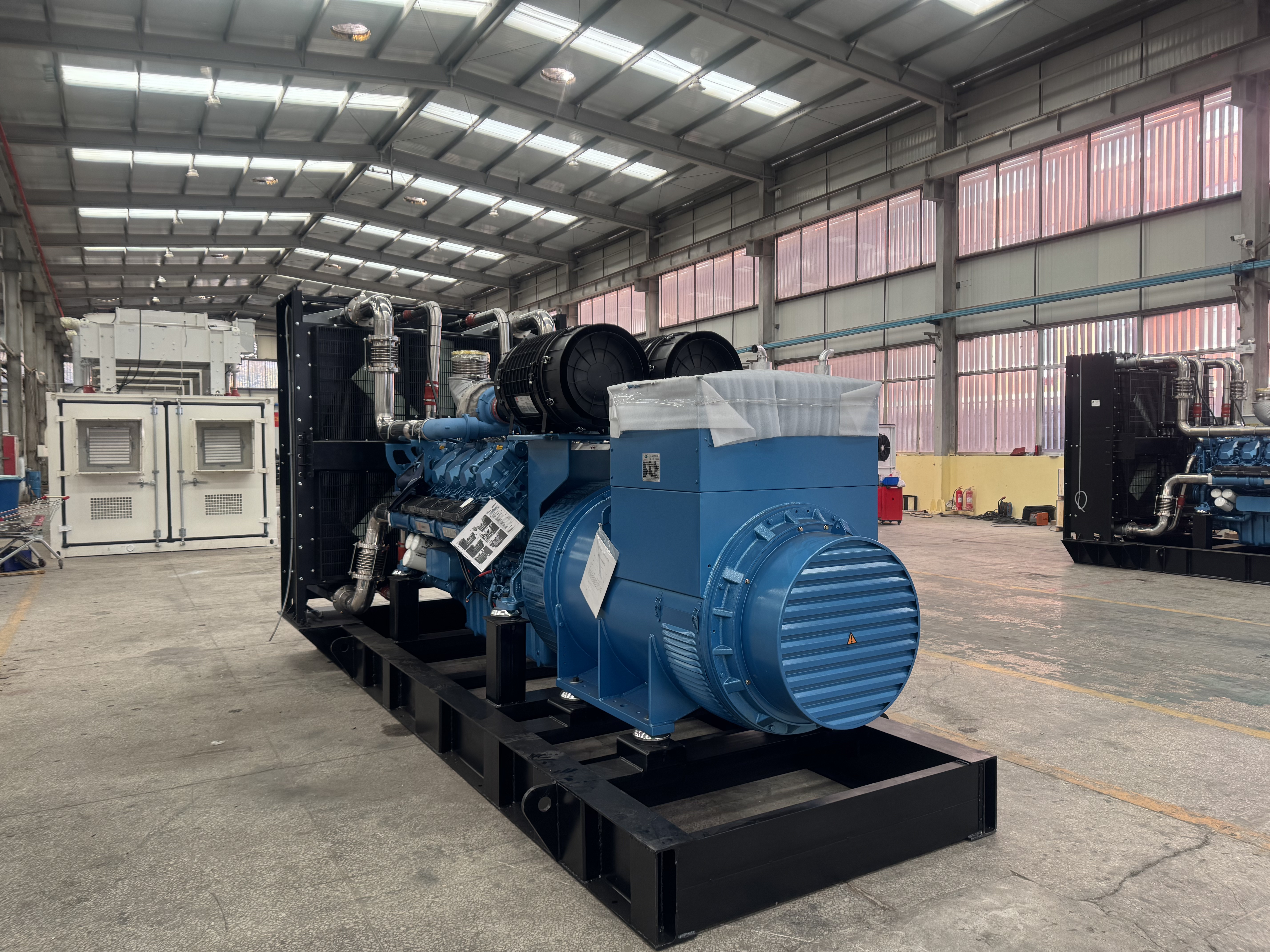
Generatorii de centrale electrice necesită o personalizare extensivă pentru a se integra fără probleme în sistemele electrice de rețea, asigurând o livrare stabilă a energiei electrice, în timp ce respectă cerințele tehnice stricte. Procesul implică modificări ingineresci sofisticate care abordează reglarea tensiunii, sincronizarea frecvenței și sistemele de protecție adaptate configurațiilor specifice ale rețelei. Aceste personalizări sunt esențiale pentru menținerea stabilității rețelei și pentru prevenirea perturbărilor care ar putea afecta mii de consumatori și operațiuni industriale.
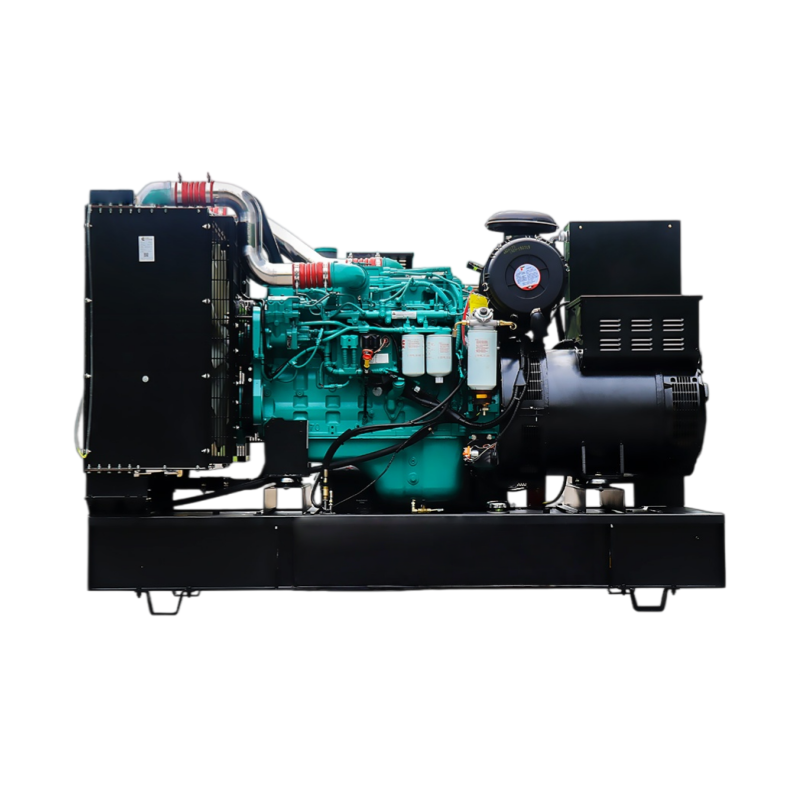
Integrarea în rețea a generatorilor de la centralele electrice implică un ansamblu complex de modificări electrice, mecanice și ale sistemelor de comandă, care trebuie calibrate cu precizie pentru a se potrivi caracteristicilor locale ale rețelei. Fiecare instalație necesită o analiză atentă a infrastructurii existente, a profilurilor de sarcină și a cerințelor operaționale, pentru a determina abordarea optimă de configurare. Procesul de personalizare asigură faptul că generatorii pot răspunde corespunzător comenzilor rețelei, pot menține sincronizarea în timpul schimbărilor de sarcină și pot furniza o sursă de rezervă fiabilă în cazul în care sursele principale eșuează.
Modificări ale sistemului electric pentru compatibilitatea cu rețeaua
Sisteme de reglare și control a tensiunii
Generatorii centralilor electrice suferă modificări electrice semnificative pentru a asigura o reglare adecvată a tensiunii în vederea integrării în rețea. Sunt instalate reglatoare automate avansate de tensiune pentru a menține o tensiune de ieșire constantă, indiferent de condițiile variabile de sarcină și de fluctuațiile rețelei. Aceste sisteme monitorizează în mod continuu nivelurile de tensiune ale rețelei și ajustează excitația generatorului pentru a compensa orice abateri, asigurând astfel o livrare stabilă a energiei electrice pe întreaga rețea.
Sistemele de control al tensiunii includ mecanisme sofisticate de reacție care răspund în milisecunde la perturbările rețelei. Generatorii moderni ai centralilor electrice utilizează platforme digitale de comandă capabile să prelucreze simultan mai multe semnale de intrare, inclusiv tensiunea rețelei, cererea de putere reactivă și frecvența sistemului. Această capacitate de răspuns rapid este esențială pentru menținerea stabilității rețelei în perioadele de vârf de consum sau atunci când alți generatori se deconectează neașteptat.
Configurările personalizate ale transformatoarelor sunt adesea necesare pentru a potrivi tensiunea de ieșire a generatorului cu nivelurile de transmisie ale rețelei. Aceste transformatoare includ comutatoare de prize specializate care permit ajustarea fină a raportului de transformare în funcție de variațiile sezoniere ale sarcinii și de condițiile de funcționare ale rețelei. Selectarea și configurarea acestor transformatoare influențează în mod semnificativ eficiența generală și fiabilitatea generatorilor centralei electrice în cadrul sistemului de rețea.
Sincronizare și potrivire a fazei
Sincronizarea cu rețeaua reprezintă unul dintre aspectele cele mai critice ale personalizării generatorilor centralelor electrice, necesitând o potrivire precisă a frecvenței, a mărimii tensiunii și a unghiului de fază. Sistemele de sincronizare monitorizează în mod continuu condițiile rețelei și ajustează parametrii generatorului pentru a obține o aliniere perfectă înainte de conectare. Acest proces previne apariția tranzienților electrici dăunători care ar putea apărea în cazul conectării generatorilor în stare de defazaj față de rețea.
Controlerele avansate de sincronizare includ mai multe sisteme de măsurare redundante pentru a asigura o detectare precisă a fazei și o potrivire corectă a frecvenței. Aceste sisteme pot adapta diverse frecvențe ale rețelei și pot gestiona condițiile dinamice ale rețelei care pot apărea în timpul perturbărilor sistemului. Generatoarele centralelor electrice echipate cu tehnologie modernă de sincronizare pot ajusta automat momentul funcționării lor pentru a menține o aliniere perfectă cu cerințele rețelei.
Procesul de sincronizare implică, de asemenea, o coordonare atentă cu operatorii rețelei pentru a asigura tranziții fluide în timpul procedurilor de pornire și oprire. Protocoalele personalizate de comunicare permit generatoarelor centralelor electrice să primească comenzi de la operatorii rețelei și să răspundă corespunzător semnalelor de coordonare la nivelul întregului sistem. Această capacitate de comunicare este esențială pentru participarea la serviciile de stabilitate a rețelei și la procedurile de intervenție în caz de urgență.
Integrarea sistemelor de protecție și siguranță
Detectarea și răspunsul la defectele rețelei
Generatorii centralelor electrice necesită sisteme complete de protecție capabile să detecteze și să răspundă la diversele condiții de defect ale rețelei, menținând în același timp o funcționare sigură. Aceste sisteme de protecție includ relee de supracurent, protecție diferențială și detectare a defectelor de pământ, calibrate în mod specific pentru funcționarea conectată la rețea. Parametrii de protecție trebuie să fie coordonați cu schemele existente de protecție ale rețelei, pentru a asigura o funcționare selectivă în cazul apariției unor defecțiuni.
Protecția anti-insulă constituie o cerință esențială de siguranță pentru generatorii centralelor electrice conectate la rețea, prevenind funcționarea continuă atunci când rețeaua principală devine nefuncțională. Aceste sisteme folosesc mai multe metode de detectare, inclusiv abaterea de frecvență, variația tensiunii și măsurarea ratei de schimbare, pentru a identifica condițiile de insulare. În momentul în care este detectată o astfel de condiție, generatorii trebuie să se deconecteze în limitele de timp specificate, pentru a proteja personalul de întreținere și echipamentele.
Studiile personalizate de coordonare a protecției sunt efectuate pentru a optimiza setările releelor și pentru a asigura o coordonare corectă între sistemele de protecție ale generatorului și cele ale rețelei. Aceste studii iau în considerare contribuțiile curenților de scurtcircuit din mai multe surse și stabilesc zone de protecție care minimizează impactul defectelor asupra funcționării sistemului. Schemele de protecție rezultate asigură eliminarea selectivă a defectelor, menținând în același timp fiabilitatea maximă a sistemului.
Conformitatea cu Codul Rețelei și cu Standardele
Generatorii centralelor electrice trebuie adaptați specific pentru a îndeplini cerințele codului rețelei, care variază în funcție de regiune și de compania de distribuție energetică. Aceste coduri specifică cerințe tehnice privind reglarea tensiunii, răspunsul în frecvență, controlul factorului de putere și capacitatea de funcționare în regim de defect. Conformitatea cu aceste standarde este obligatorie pentru obținerea aprobării de racordare la rețea și pentru autorizarea funcționării continue.
Capacitatea de funcționare în regim de defect necesită ca generatorii centralelor electrice să rămână conectați și să continue să funcționeze în timpul perturbărilor de rețea specificate. Aceasta implică adaptarea sistemelor de comandă pentru a tolera scăderi de tensiune, abateri de frecvență și alte condiții tranzitorii fără a declanșa deconectarea automată. Generatorii trebuie, de asemenea, să furnizeze un sprijin specificat de putere reactivă în timpul acestor evenimente, pentru a contribui la stabilizarea rețelei.
Conformitatea cu codul rețelei necesită adesea proceduri extinse de testare și certificare pentru a verifica faptul că generatorii centralelor electrice îndeplinesc toate cerințele specificate. Aceste teste includ verificarea răspunsului dinamic, validarea sistemelor de protecție și testarea protocolului de comunicație. Procesul de certificare asigură faptul că generatorii vor funcționa în mod fiabil în cadrul mediului rețelei și vor contribui la stabilitatea generală a sistemului.
Integrarea Sistemului de Control și Automatizare
Capabilități SCADA și de monitorizare la distanță
Generatorii moderni ai centralelor electrice integrează sisteme sofisticate SCADA care permit monitorizarea și comanda la distanță din centrele de operare ale rețelei. Aceste sisteme furnizează date în timp real privind performanța generatorilor, parametrii electrici și starea de funcționare operatorilor rețelei. Integrarea SCADA permite operarea coordonată a mai multor generatori în cadrul sistemului energetic și facilitează răspunsul rapid la modificările condițiilor din rețea.
Protocoalele personalizate de comunicare a datelor asigură compatibilitatea cu sistemele existente de comandă ale rețelei și permit schimbul fluent de informații. Generatorii centralelor electrice pot primi comenzi de repartizare, valori stabilite pentru sarcină și semnale de oprire de urgență prin aceste legături de comunicare. Sistemele oferă, de asemenea, funcționalități automate de înregistrare și raportare a datelor, care sprijină planificarea rețelei și îndeplinirea cerințelor de conformitate reglementară.
Capabilitățile avansate de analiză integrate în sistemele moderne de control permit programarea întreținerii predictive și optimizarea performanței. Aceste sisteme pot identifica problemele aflate în curs de dezvoltare înainte ca acestea să afecteze disponibilitatea generatorului și pot recomanda acțiuni de întreținere pentru a preveni întreruperile neplanificate. Integrarea algoritmilor de inteligență artificială și învățare automată consolidează în continuare capacitatea de a optimiza performanța generatorului în limitele impuse de rețea.
Urmărirea sarcinii și răspunsul la frecvență
Generatorii centralelor electrice trebuie personalizați cu sisteme avansate de comandă capabile să răspundă automat deviațiilor de frecvență ale rețelei și schimbărilor de sarcină. Sistemele de răspuns primar la frecvență reglează producția generatorului în câteva secunde după apariția deviațiilor de frecvență, contribuind astfel la menținerea stabilității sistemului. Aceste sisteme necesită o calibrare precisă pentru a oferi un răspuns adecvat, evitând în același timp comportamentul oscilatoriu care ar putea destabiliza rețeaua.
Controlul secundar al frecvenței implică sisteme automate de comandă a generării care primesc semnale de la operatorii rețelei pentru a ajusta producția de energie pe perioade mai lungi. Generatoarele centralelor electrice echipate cu aceste sisteme pot participa la corectarea erorii de control a zonei și pot contribui la menținerea schimburilor programate de energie între diferitele regiuni ale rețelei. Sistemele de comandă trebuie să fie capabile să regleze producția de energie în sus sau în jos cu rate specificate, păstrând în același timp conformitatea cu normele privind emisiile.
Capacitatea de urmărire a sarcinii necesită sisteme sofisticate de comandă a regulatorului care pot urmări cerințele variabile de putere, menținând în același timp o funcționare stabilă. Aceste sisteme includ bucle multiple de comandă care coordonează livrarea combustibilului, aportul de aer și producția electrică pentru a asigura tranziții fluide ale sarcinii. Procesul de personalizare implică ajustarea acestor parametri de comandă pentru a corespunde caracteristicilor specifice ale fiecărei instalații de generator dintr-o centrală electrică.
Adaptări ale sistemelor mecanice și termice
Modificări ale sistemului de răcire
Generatorii centralelor electrice conectate la rețea necesită adesea sisteme de răcire personalizate pentru a gestiona sarcinile termice asociate funcționării continue și a variațiilor puterii produse. Aceste modificări pot include creșterea capacității radiatorului, modernizarea sistemelor de circulație a lichidului de răcire și îmbunătățirea proiectării schimbătoarelor de căldură. Sistemul de răcire trebuie să mențină temperaturile optime de funcționare pe întreaga gamă de niveluri de putere cerute de rețea.
Considerentele de mediu joacă un rol semnificativ în personalizarea sistemelor de răcire, în special pentru instalațiile din condiții climatice extreme. Generatorii centralelor electrice care funcționează în climă caldă pot necesita o capacitate suplimentară de răcire sau echipamente specializate de evacuare a căldurii pentru a menține standardele de performanță. Instalațiile din climă rece pot necesita sisteme de încălzire pentru a asigura pornirea fiabilă și eficiența optimă în timpul funcționării iernare.
Cerințele de reducere a zgomotului determină adesea modificări ale sistemelor de răcire pentru generatoarele centralelor electrice situate în apropierea zonelor populate. Carcasele acustice personalizate, ventilatoarele de răcire atenuate din punct de vedere acustic și sistemele de izolare a vibrațiilor contribuie la minimizarea emisiilor de zgomot, păstrând în același timp performanța termică. Aceste modificări trebuie să echilibreze reducerea zgomotului cu eficiența răcirii, pentru a asigura o funcționare fiabilă a generatorului.
Personalizarea sistemului de alimentare cu combustibil
Generatoarele centralelor electrice necesită modificări ale sistemului de alimentare cu combustibil pentru a susține perioadele prelungite de funcționare și cerințele variabile de sarcină asociate serviciilor furnizate rețelei electrice. Aceste personalizări includ mărirea capacității de stocare a combustibilului, sisteme redondante de livrare a combustibilului și echipamente automate de monitorizare a calității combustibilului. Sistemele de alimentare cu combustibil trebuie să asigure disponibilitatea continuă a combustibilului, chiar și în timpul operațiunilor prelungite de sprijin al rețelei electrice.
Gestionarea calității combustibilului devine esențială pentru generatoarele centralelor electrice, care pot funcționa timp de mii de ore anual în aplicații de serviciu pentru rețea. Sistemele personalizate de condiționare a combustibilului, inclusiv echipamente pentru filtrare, încălzire și injectare de aditivi, contribuie la menținerea calității combustibilului în timpul stocării pe termen lung. Aceste sisteme previn degradarea combustibilului, care ar putea afecta performanța sau fiabilitatea generatorului în perioadele critice de susținere a rețelei.
Cerințele de conformitate ambientală pot impune modificări specializate ale sistemelor de combustibil pentru generatoarele centralelor electrice care operează în zone sensibile. Aceste modificări pot include sisteme de recuperare a vaporilor, containere secundare și echipamente de detectare a scurgerilor, pentru a preveni contaminarea mediului. Proiectarea sistemului de combustibil trebuie să respecte toate reglementările ambientale aplicabile, asigurând în același timp o funcționare fiabilă a generatorului.
Întrebări frecvente
Care sunt cele mai critice modificări necesare pentru integrarea în rețea a generatorului centralei electrice?
Cele mai critice modificări includ sistemele de reglare a tensiunii, echipamentele de sincronizare și coordonarea releelor de protecție. Aceste sisteme asigură faptul că generatorii centralelor electrice pot fi conectați în siguranță la rețea și pot menține o funcționare stabilă în condiții variabile. În plus, conformitatea cu codurile rețelei necesită anumite capacități specifice de traversare a defectelor (fault ride-through) și protocoale de comunicare care permit coordonarea cu operatorii rețelei.
Cât durează, în mod obișnuit, procesul de personalizare pentru generatorii centralelor electrice conectate la rețea?
Procesul de personalizare pentru generatorii centralelor electrice necesită, în mod obișnuit, între 3 și 6 luni, în funcție de complexitatea modificărilor necesare și de cerințele specifice ale rețelei. Acest termen include etapele de proiectare inginerescă, achiziționare echipamente, instalare, testare și punere în funcțiune. Instalările mai complexe, care implică o coordonare extensivă a sistemelor de protecție sau cerințe particulare ale codurilor rețelei, pot necesita un timp suplimentar pentru finalizare și certificare.
Ce întreținere periodică este necesară pentru generatoarele personalizate ale centralelor electrice conectate la rețea?
Generatoarele centralelor electrice conectate la rețea necesită întreținere periodică a sistemelor de comandă, a echipamentelor de protecție și a interfețelor de comunicare, în plus față de întreținerea mecanică standard. Aceasta include testarea periodică a sistemelor de sincronizare, calibrarea releelor de protecție și verificarea parametrilor de conformitate cu codul rețelei. Programele de întreținere preventivă trebuie coordonate cu operatorii de rețea pentru a minimiza impactul asupra fiabilității sistemului.
Pot fi modernizate generatoarele existente ale centralelor electrice pentru integrarea în rețea?
Multe dintre generatoarele existente ale centralelor electrice pot fi modernizate cu succes pentru integrarea în rețea, deși viabilitatea acestei operațiuni depinde de vârsta și configurația echipamentelor. Proiectele de modernizare implică, de obicei, actualizarea sistemelor de comandă, instalarea unor noi echipamente de protecție și modificarea conexiunilor electrice pentru a îndeplini cerințele rețelei. Este necesară o evaluare inginerescă detaliată pentru a determina abordarea cea mai eficientă din punct de vedere al costurilor pentru fiecare instalație specifică.
Cuprins
- Modificări ale sistemului electric pentru compatibilitatea cu rețeaua
- Integrarea sistemelor de protecție și siguranță
- Integrarea Sistemului de Control și Automatizare
- Adaptări ale sistemelor mecanice și termice
-
Întrebări frecvente
- Care sunt cele mai critice modificări necesare pentru integrarea în rețea a generatorului centralei electrice?
- Cât durează, în mod obișnuit, procesul de personalizare pentru generatorii centralelor electrice conectate la rețea?
- Ce întreținere periodică este necesară pentru generatoarele personalizate ale centralelor electrice conectate la rețea?
- Pot fi modernizate generatoarele existente ale centralelor electrice pentru integrarea în rețea?