 EN
EN

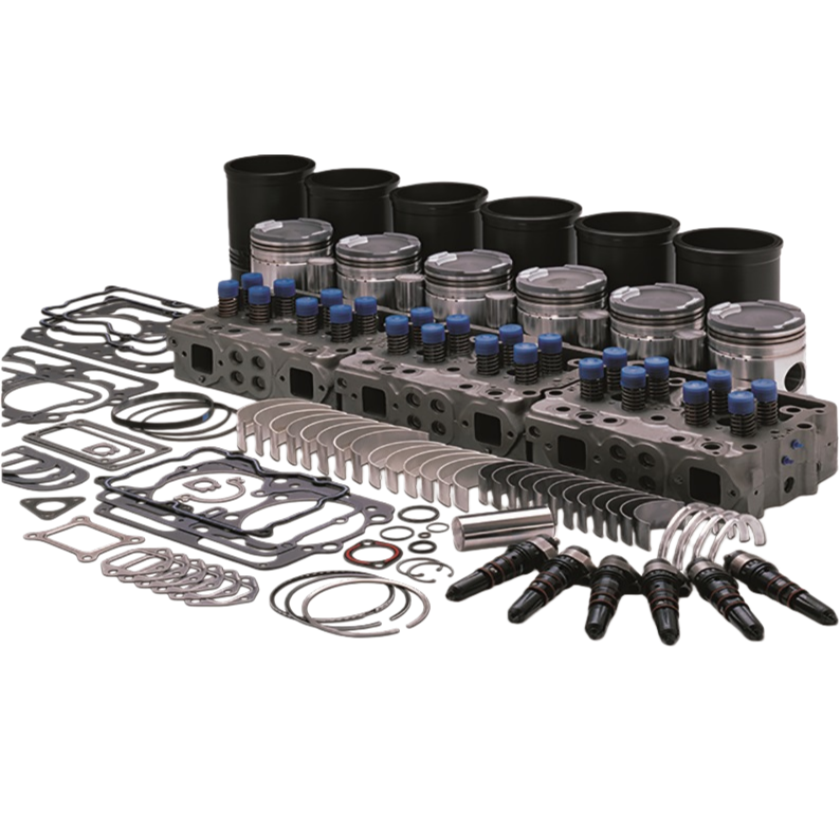
As decisões de aquisição de geradores para usinas dependem da seleção da combinação adequada de capacidade de saída e métricas de eficiência que estejam alinhadas com os requisitos operacionais e os objetivos financeiros de longo prazo. Compreender quais indicadores de desempenho específicos impactam, de fato, a lucratividade e a confiabilidade da usina permite que as equipes de compras tomem decisões baseadas em dados, otimizando tanto o investimento inicial quanto os custos ao longo do ciclo de vida. A complexidade da geração moderna de energia exige uma abordagem sofisticada para avaliar as especificações dos geradores, indo além das classificações básicas indicadas na placa de identificação.
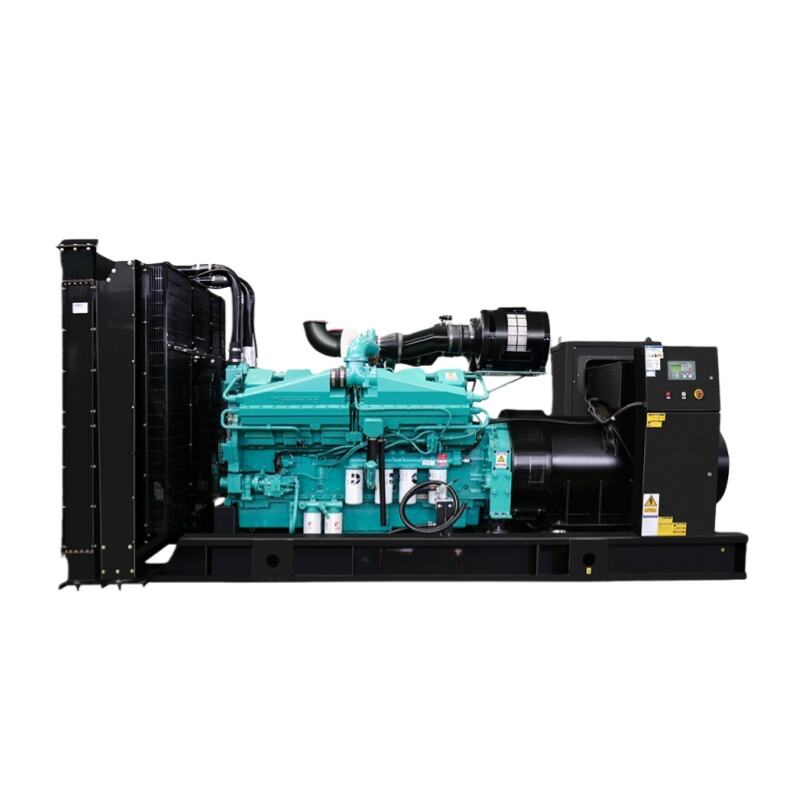
A seleção das métricas apropriadas para a avaliação do gerador de uma usina requer o equilíbrio entre diversos fatores técnicos e econômicos que influenciam diretamente o desempenho e a rentabilidade da usina. As métricas mais críticas abrangem as características da saída elétrica, os parâmetros de eficiência térmica e os indicadores de confiabilidade operacional, que, em conjunto, determinam a adequação do gerador para aplicações específicas de geração de energia. Essas métricas servem como base para comparar diferentes opções de geradores e garantir sua integração ideal com a infraestrutura existente da usina e com as estratégias operacionais.
Métricas Críticas de Desempenho da Saída
Especificações da Potência Elétrica de Saída
As métricas fundamentais de saída elétrica para a aquisição de geradores em usinas centraram-se na capacidade de potência nominal, na regulação de tensão e na estabilidade de frequência sob condições de carga variáveis. A capacidade de potência nominal representa a saída elétrica contínua máxima que o gerador pode fornecer, mantendo as especificações de projeto e as margens de segurança operacional. Essa métrica determina diretamente a contribuição do gerador para a capacidade total da usina e influencia o potencial de geração de receita em mercados competitivos de eletricidade.
A capacidade de regulação de tensão mede quão eficazmente o gerador mantém uma saída de tensão estável em diferentes cenários de carga, o que é crucial para a qualidade da energia e os requisitos de integração à rede elétrica. Uma regulação inadequada de tensão pode causar danos aos equipamentos, problemas de estabilidade da rede e possíveis penalidades por parte dos operadores da concessionária.
O desempenho de estabilidade de frequência indica a capacidade do gerador de manter uma saída de frequência elétrica constante apesar de variações de carga e perturbações externas na rede. Essa métrica torna-se particularmente importante para geradores operando em modo isolado (islanded) ou prestando serviços de estabilização da rede. A faixa aceitável de desvio de frequência normalmente varia entre ±0,5% e ±2%, dependendo dos requisitos da aplicação e das normas de conformidade com os códigos da rede.
Resposta à Carga e Desempenho Transitório
A capacidade de aceitação de carga define com que rapidez e suavidade um gerador de usina elétrica pode acomodar aumentos súbitos na demanda elétrica, sem sofrer excursões de tensão ou frequência além dos limites aceitáveis. Esta métrica afeta diretamente a adequação do gerador para fornecer serviços de reserva girante e responder a emergências na rede. Geradores de alto desempenho normalmente conseguem aceitar degraus de carga de 100% em 10–15 segundos, mantendo uma operação estável.
O tempo de recuperação transitória mede com que rapidez o gerador retorna à operação em regime permanente após distúrbios de carga ou condições de falha. Tempos de recuperação mais rápidos melhoram a confiabilidade geral do sistema e reduzem o risco de falhas em cascata em sistemas elétricos interconectados. Modernos gerador de usina elétrica projetos alcançam tempos de recuperação transitória de 3–5 segundos para variações típicas de carga.
As especificações de capacidade de sobrecarga determinam a capacidade do gerador de operar acima da potência nominal por períodos limitados, o que proporciona flexibilidade operacional valiosa durante períodos de demanda máxima ou condições de emergência. As classificações padrão de sobrecarga normalmente permitem 110% da potência nominal por até uma hora e 125% para operação de emergência de curta duração. Essas capacidades podem aumentar significativamente o potencial de receita da usina e os serviços de apoio à rede elétrica.
Normas de Medição de Eficiência
Referenciais de Eficiência Térmica
A eficiência térmica representa a métrica econômica mais crítica para a aquisição de geradores de usinas termelétricas, pois determina diretamente as taxas de consumo de combustível e os custos operacionais ao longo da vida útil do gerador. Uma eficiência térmica mais elevada traduz-se em despesas reduzidas com combustível, menores emissões de carbono e maior competitividade da usina nos mercados de eletricidade. Os geradores modernos a turbina a gás alcançam eficiências térmicas que variam de 35% a 45% em configuração de ciclo simples, enquanto os sistemas de ciclo combinado podem superar 60% de eficiência.
As especificações da taxa de calor fornecem uma expressão alternativa da eficiência térmica, medida em unidades térmicas britânicas (BTU) por quilowatt-hora de produção elétrica. Taxas de calor mais baixas indicam eficiência superior e custos operacionais reduzidos. As taxas de calor típicas para sistemas geradores de usinas termelétricas modernas variam entre 6.800 e 9.500 BTU/kWh, dependendo da tecnologia, do tamanho e das condições operacionais. Essa métrica permite comparações diretas de custos entre diferentes opções de geradores e tipos de combustível.
As características de eficiência em carga parcial descrevem como a eficiência térmica varia em diferentes níveis de potência de saída, o que é crucial para geradores operando em aplicações de acompanhamento de carga ou pico. Muitas instalações de geradores em usinas termelétricas passam significativo tempo operacional em níveis reduzidos de potência, tornando a eficiência em carga parcial tão importante quanto o desempenho em plena carga. Sistemas avançados de controle de geradores conseguem manter a eficiência dentro de 2–3% dos valores máximos na faixa de carga de 50–100%.
Consumo de Energia Auxiliar
Os requisitos de potência auxiliar abrangem a energia elétrica consumida pelos sistemas de suporte do gerador, incluindo refrigeração, lubrificação, sistemas de controle e equipamentos de controle de emissões. Essas cargas parasitas reduzem a potência elétrica líquida disponível para venda e devem ser minimizadas para maximizar a rentabilidade da usina. O consumo típico de potência auxiliar varia de 2% a 8% da potência elétrica bruta, dependendo da tecnologia do gerador e dos requisitos de controle ambiental.
Os requisitos de potência de partida determinam a energia elétrica necessária para levar o gerador da usina elétrica, partindo de condições frias, até a operação sincronizada. Altas demandas de potência de partida podem afetar a viabilidade econômica da usina, especialmente em unidades de pico que operam com frequência em ciclos. Projetos modernos de geradores incorporam procedimentos de partida energeticamente eficientes que minimizam o consumo de potência auxiliar durante as sequências de comissionamento.
A eficiência do sistema de refrigeração afeta tanto o consumo de energia auxiliar quanto a eficiência térmica global da usina. Sistemas refrigerados a ar normalmente consomem 1–3% da potência gerada para a operação dos ventiladores de refrigeração, enquanto sistemas refrigerados a água podem exigir potência adicional para bombeamento, mas oferecem capacidades superiores de rejeição de calor. A escolha entre os métodos de refrigeração impacta tanto os custos de investimento quanto as despesas operacionais de longo prazo.
Indicadores de Confiabilidade Operacional
Métricas de Disponibilidade e Manutenção
O fator de disponibilidade equivalente (EAF, sigla em inglês) mede a porcentagem de tempo em que o gerador de uma usina elétrica está disponível para operação quando necessário, levando em conta tanto paradas programadas quanto não programadas. Alta disponibilidade correlaciona-se diretamente com o potencial de geração de receita e a lucratividade da usina. Sistemas modernos de geradores para usinas elétricas normalmente alcançam valores de EAF superiores a 90%, desde que sejam adotadas práticas adequadas de manutenção e utilizados componentes de alta qualidade.
O tempo médio entre falhas (MTBF) quantifica o período operacional médio entre falhas de equipamentos que exigem reparo ou substituição. Valores mais altos de MTBF indicam confiabilidade superior e menores custos de manutenção. Componentes industriais de geradores para usinas elétricas normalmente apresentam valores de MTBF que variam de 20.000 a 50.000 horas de operação, dependendo da severidade da aplicação e da qualidade da manutenção.
Os requisitos de duração das paradas programadas afetam o planejamento da capacidade da usina e as estratégias de otimização de receita. Geradores com intervalos de manutenção prolongados e durações mais curtas de paradas programadas oferecem maior flexibilidade operacional e menores custos de manutenção. Projetos modernos de geradores para usinas elétricas incorporam capacidades de manutenção baseada em condição, que otimizam os intervalos de serviço com base no estado real do equipamento, em vez de cronogramas fixos.
Normas de Desempenho Ambiental
As métricas de conformidade com emissões garantem que as instalações de geradores em usinas elétricas atendam aos requisitos regulatórios, minimizando ao mesmo tempo o impacto ambiental e eventuais penalidades. As emissões de óxidos de nitrogênio (NOx), dióxido de enxofre (SO2) e material particulado devem estar em conformidade com os padrões locais de qualidade do ar e podem exigir equipamentos adicionais de controle, o que afeta a eficiência global da usina e seus custos.
A intensidade de emissões de dióxido de carbono, medida em libras de CO2 por megawatt-hora de eletricidade gerada, exerce influência crescente nas decisões de seleção de geradores à medida que os mecanismos de precificação de carbono se expandem globalmente. Uma menor intensidade de emissões melhora a competitividade da usina sob regimes de imposto sobre o carbono e apoia os objetivos corporativos de sustentabilidade. Os sistemas de geradores para usinas termelétricas a gás natural tipicamente produzem 50–60% menos emissões de CO2 em comparação com alternativas movidas a carvão.
As especificações de emissões sonoras garantem que as instalações de geradores em usinas elétricas estejam em conformidade com as leis locais de ruído e minimizem o impacto sobre a comunidade. Os níveis de pressão sonora devem permanecer dentro dos limites aceitáveis nas fronteiras do terreno, o que pode exigir tratamento acústico adicional, afetando os custos de capital e os requisitos de espaço. Projetos modernos de geradores incorporam carcaças com atenuação sonora que alcançam níveis de ruído inferiores a 65 dBA a uma distância de 1 metro.
Estrutura de Avaliação Econômica
Análise dos custos do ciclo de vida
A análise do custo total de propriedade (TCO) incorpora os custos iniciais de capital, as despesas operacionais, os custos de manutenção e o valor residual para determinar a opção de gerador para usina elétrica mais economicamente vantajosa. Essa abordagem abrangente garante que as decisões de aquisição considerem todos os componentes de custo ao longo da vida útil esperada do gerador, normalmente de 20 a 30 anos para instalações em escala de concessionária.
A análise de sensibilidade dos custos de combustível avalia como as melhorias na eficiência do gerador se traduzem em economias operacionais sob diversos cenários de preços de combustível. Sistemas de geradores para usinas termelétricas com maior eficiência justificam custos de capital premium por meio da redução no consumo de combustível, com períodos de retorno tipicamente variando entre 3 e 7 anos, dependendo dos preços do combustível e dos fatores de capacidade.
As projeções de custos de manutenção levam em conta os requisitos de manutenção programada, os custos das peças de reposição e as despesas com reparos previstos ao longo da vida útil do gerador. Geradores com histórico comprovado de confiabilidade e suporte técnico amplamente disponível normalmente apresentam custos de manutenção ao longo do ciclo de vida mais baixos, apesar de um investimento inicial de capital potencialmente maior.
Potencial de Otimização de Receita
A otimização do fator de capacidade examina como as características de desempenho do gerador influenciam as horas anuais de operação e a utilização da capacidade. Maior eficiência e maior confiabilidade permitem que os sistemas geradores de usinas operem mais horas por ano com fatores de capacidade superiores, aumentando diretamente a geração de receita anual.
As capacidades de serviços auxiliares determinam a capacidade do gerador de fornecer serviços de apoio à rede além da geração básica de energia, incluindo regulação de frequência, suporte de tensão e serviços de reserva girante. Esses fluxos adicionais de receita podem melhorar significativamente a viabilidade econômica da usina e justificar investimentos premium em geradores.
As métricas de capacidade de resposta ao mercado avaliam a rapidez com que o gerador da usina elétrica consegue responder aos sinais de preço do mercado de eletricidade e às instruções de despacho de carga. Geradores com capacidades rápidas de inicialização e características flexíveis de acompanhamento de carga conseguem aproveitar a volatilidade dos preços e as flutuações da demanda para maximizar a geração de receita.
Perguntas Frequentes
Qual é a métrica de eficiência mais importante para a aquisição de geradores em usinas elétricas?
A eficiência térmica é a métrica mais crítica, pois determina diretamente as taxas de consumo de combustível e os custos operacionais ao longo da vida útil do gerador. Uma eficiência térmica mais elevada reduz as despesas com combustível, diminui as emissões e melhora a competitividade da usina nos mercados de eletricidade, tornando-a o principal fator impulsionador da lucratividade de longo prazo.
Como as características de eficiência em carga parcial impactam a seleção do gerador?
A eficiência em carga parcial torna-se crucial para geradores que operam em aplicações de acompanhamento de carga ou de pico, uma vez que muitas instalações funcionam por um tempo significativo em níveis reduzidos de produção. Geradores que mantêm alta eficiência na faixa de carga de 50–100% oferecem melhor desempenho econômico do que unidades otimizadas exclusivamente para operação em plena carga, especialmente em aplicações de geração flexível.
Quais métricas de disponibilidade devem ser priorizadas na aquisição de geradores para usinas elétricas?
O fator de disponibilidade equivalente (EAF) deve ser priorizado, pois mede a porcentagem de tempo em que o gerador está disponível para operação quando necessário, correlacionando-se diretamente com o potencial de geração de receita. Valores-alvo de EAF superiores a 90% indicam confiabilidade superior e custos reduzidos de manutenção, tornando essa métrica essencial para a avaliação econômica.
Como os padrões de desempenho ambiental afetam as decisões de aquisição de geradores?
Os padrões de desempenho ambiental influenciam cada vez mais as decisões de aquisição por meio dos requisitos de conformidade com emissões e dos mecanismos de precificação de carbono. Geradores com menor intensidade de emissões aumentam a competitividade sob regulamentações ambientais e apoiam os objetivos corporativos de sustentabilidade, além de potencialmente reduzirem custos futuros de conformidade e penalidades.
Sumário
- Métricas Críticas de Desempenho da Saída
- Normas de Medição de Eficiência
- Indicadores de Confiabilidade Operacional
- Estrutura de Avaliação Econômica
-
Perguntas Frequentes
- Qual é a métrica de eficiência mais importante para a aquisição de geradores em usinas elétricas?
- Como as características de eficiência em carga parcial impactam a seleção do gerador?
- Quais métricas de disponibilidade devem ser priorizadas na aquisição de geradores para usinas elétricas?
- Como os padrões de desempenho ambiental afetam as decisões de aquisição de geradores?