EN
EN


מה ההבדלים בין מערכות ייצור חשמל מקבילות למערכות עצמאיות? כיצד על ארגונים לבחור?
Time : 2026-06-05
בעת רכישת מערכות ייצור חשמל, לקוחות רבים מתמודדים עם השאלה: האם לבחור במערכת ייצור חשמל אחת או להפעיל מספר מערכות במקביל? למשתמשים רגילים, ההבדל עלול להיראות כהבדל פשוט בכמות, אך במציאות קיימים הבדלים משמעותיים בין מערכות מקבילות למערכות עצמאיות במונחים של אמינות האספקה החשמלית, עלויות הפעלה, אפשרות הרחבה ותחומי היישום. הבנת התכונות של שתיהן עוזרת לעסקים לפתח פתרונות אספקת חשמל סבירים יותר בהתאם לצרכים המוחלטים שלהם.
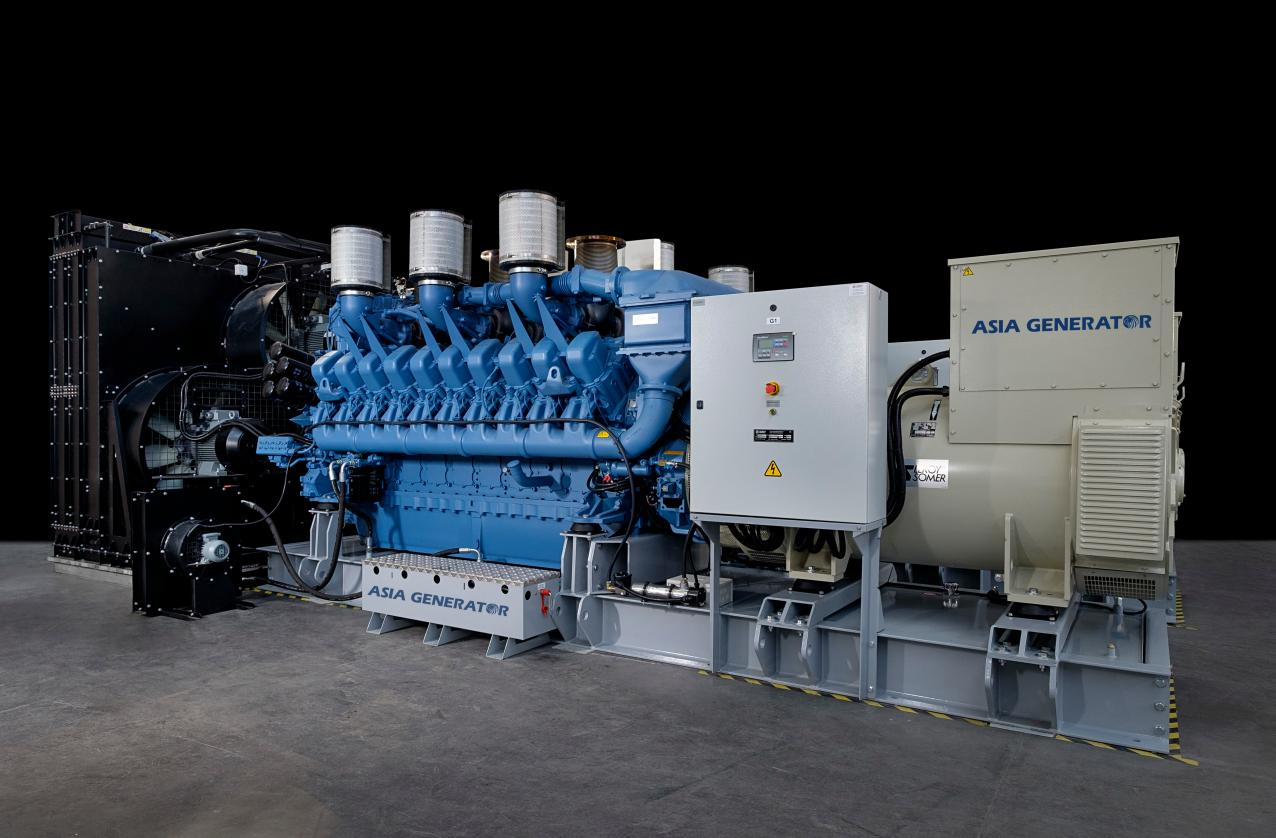
מהי מערכת ייצור חשמל עצמאית?
מערכת ייצור חשמל עצמאית מתייחסת למתכון פעולה שבו מחולל בודד מספק את כל צורכי החשמל באופן עצמאי, וזהו כרגע hetzur ha'mechulal be'yoter ba'shuk. כאשר יש כשל ברשת החשמל או כאשר יש צורך בהספקת חשמל עצמאית באתר, המנוע נפעל ומספק חשמל ישירות לעומסים, ללא צורך בתיאום עם יחידות אחרות. בשל מבנה הפשוט שלו וההתקנה הקלה, מערכת הייצור העצמאית משמשת באופן רגיל בבנייה, במפעלים קטנים, במרכזים מסחריים, בבתי מלון ובמקרים רבים של ספק חירום. עבור פרויקטים שדורשים כמות חשמל קבועה יחסית ועומס קטן, פתרון עצמאי יכול לעתים קרובות לספק את הצרכים היומיומיים.
מהי מערכת מקבילה של מערכות ייצור חשמל?
תפעול מקבילי מתייחס לתפעול הסינכרוני של שני מערכות ייצור חשמל או יותר באמצעות מערכת בקרה, תוך אספקת חשמל משותפת למשתמש. במילים פשוטות, מספר מערכות ייצור חשמל פועלות בשיתוף פעולה, כצוות אחד. כאשר עומס החשמל גדל, ניתן להוסיף אוטומטית יחידות נוספות; כאשר העומס קטן, מצטמצם מספר היחידות הפועלות, ובכך מושגת ניהול גמיש יותר של אספקת החשמל. כיום, פתרונות אספקת חשמל מקבילית נפוצים מאוד במרכזי נתונים, בתעשיות ייצור גדולות, בבתי חולים, בתחנות בסיס תקשורת ובמרכזי מסחר גדולים.
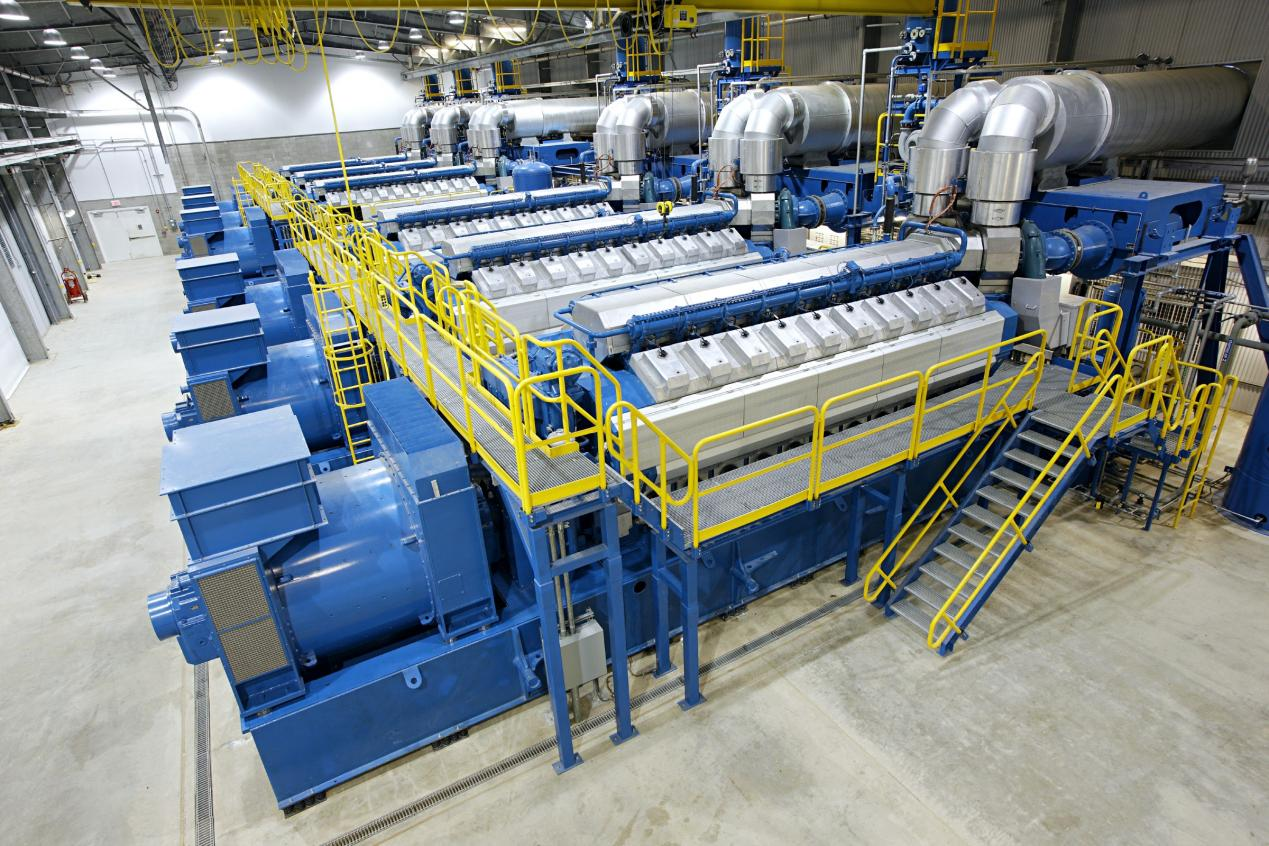
ההבדל העיקרי בין תפעול יחידה אחת לתפעול מקבילי:
קיבולת אספקת חשמל שונה
הספק היצוא של קבוצת ייצור חשמל בודדת הוא קבוע, וטווח העומס שהיא יכולה לספק מוגבל על ידי כושר הספיקה של הציוד. לדוגמה, קבוצת ייצור חשמל של 500 קילוואט מציעה ספק כוח מקסימלי כמעט קבוע בתחום זה. כאשר המיזם מתרחב או מוסיפים ציוד בשלב מאוחר יותר, לעתים קרובות יש לרכוש יחידות ספק כוח גדולות יותר.
לעומת זאת, מערכות מקביליות מציעות יכולת הרחבה גדולה יותר. לדוגמה, שתי קבוצות ייצור חשמל של 500 קילוואט הפועלות במקביל מספקות יחד סך ספק כוח של 1000 קילוואט. אם העומס ימשיך לגדול בעתיד, ניתן להוסיף יחידות חדשות למערכת ללא צורך להחליף את כל הציוד. עבור עסקים שצרכן החשמל שלהם גדל באופן מתמיד, הפעלה במקביל נותנת פוטנציאל תכנוני רב יותר.
אמינות שונה באספקת החשמל
הרציפות באספקת החשמל היא גורם קריטי למספר רב של עסקים. בתפעול יחידה אחת, אם הציוד פגוע או דורש תחזוקה, כל מערכת אספקת החשמל תושפע. לעומת זאת, מערכות מקבילות מציעות רדונדנציה גבוהה יותר. כאשר מנוע אחד נכשל, המנועים האחרים יכולים להמשיך לפעול ולשמור על אספקת חשמל לציוד חיוני. זהו אחד הסיבות העיקריות שבגינן בתי חולים, מרכזי נתונים ומקומות חשובים אחרים משתמשים בדרך כלל במערכות מקבילות. עבור תעשיות שבהן הפסקות חשמל הן בלתי נמנעות, פתרונות מקבילים מפחיתים באופן יעיל את סיכוני אספקת החשמל.
כלכלות תפעול שונות
רבים מאמינים שתחזוקת מספר מנועים בו זמנית מגבירה את צריכת הדלק, אך זה לא המקרה. מנועי דיזל פועלים בדרך כלל בצורה היעילה ביותר בטווח עומס של 70% עד 80%. השימוש במנוע אחד בעל הספק גבוה שפועל לעומסים נמוכים לאורך זמן לא רק גורם לצריכה גבוהה יותר של דלק, אלא גם מגביר את הסיכון להצטברות פחמן.
מערכות מקביליות יכולות להתאים אוטומטית את מספר המניעים הפעילים בהתאם לשינויי עומס, ומבטיחות שהציוד פועל תמיד בטווח יעילות גבוה, ובכך מפחיתות את הצריכה הכוללת של דלק והעלויות להפעלה. יתרון זה בולט במיוחד בפרויקטים עם תנודות עומס משמעותיות.
הבדלים בהוצאות הון
מנקודת מבט של השקעה ראשונית, מערכות עצמאיות הן יתרוניות יותר. למערכות עצמאיות נדרשים פחות מכשירים, הן פשוטות יותר בהתקנה ובאבחון תקלות, ודרישות מערכת הבקרה שלהן נמוכות יותר, מה שמוביל לעלות רכישה כוללת יחסית נמוכה יותר. מערכות מקבילות, בנוסף לקבוצת המניע עצמה, דורשות armatures בקרה מקבילות, מערכות סנכרון, מערכות התפלגות עומס וציוד נוסף, מה שמביא בדרך כלל להשקעה ראשונית גבוהה יותר מאשר במערכות עצמאיות. עם זאת, מנקודת מבט של הפעלה ארוכת טווח, עבור פרויקטים גדולים, האמינות והיתרונות בחיסכון באנרגיה של מערכות מקבילות לעתים קרובות פורחות על ההשקעה הראשונית.
איך יש לארגונים לבחור?
בעת בחירת מערכת ייצור חשמל עצמאית לעומת מערכת מקבילה, הגורם המכריע הוא דרישת הספק החשמל האמיתית. עבור פרויקטים קטנים עם עומסים יציבים ותקציבים מוגבלים, מערכות ייצור חשמל עצמאיות הן לרוב בחירה כלכלית ומעשית יותר. עם זאת, עבור פרויקטים הדורשים רציפות גבוהה של אספקת חשמל, תנודות גדולות בעומס או תוכניות הרחבה עתידיות, מערכות מקבילות מתאימות יותר; למרות שההשקעה הראשונית בהן גדולה יותר, הן מציעות אמינות וגמישות גבוהות יותר. מערכות מקבילות הפכו לקונפיגורציה הנפוצה ביותר, במיוחד בתשתיות קריטיות כגון בתי חולים, מרכזי נתונים, חדרי ציוד תקשורת או מערכות תחבורה רכבתית.
ללא תלות בכך שנבחרת מערכת עצמאית או מקבילה, על עסקים לשקול באופן מקיף את דרישות העומס, תקציב ההשקעה, עלויות הפעלה ותוכניות הפיתוח בעתיד כדי לנסח פתרון ספק כוח סביר. אסיה גנרטור מציעה ניסיון עשיר בתעשייה ופתרונות מגוונים של מערכות ייצור חשמל, ומספקת הערכות מקצועיות ופתרונות מותאמים אישית לעסקים מגוונים כדי להבטיח פעילות יציבה ויעילה לאורך זמן של מערכות הייצור, תוך הפחתה אפקטיבית בעלויות הפעלה ושיפור האמינות והבטיחות הכוללי של מערכת ספק החשמל.