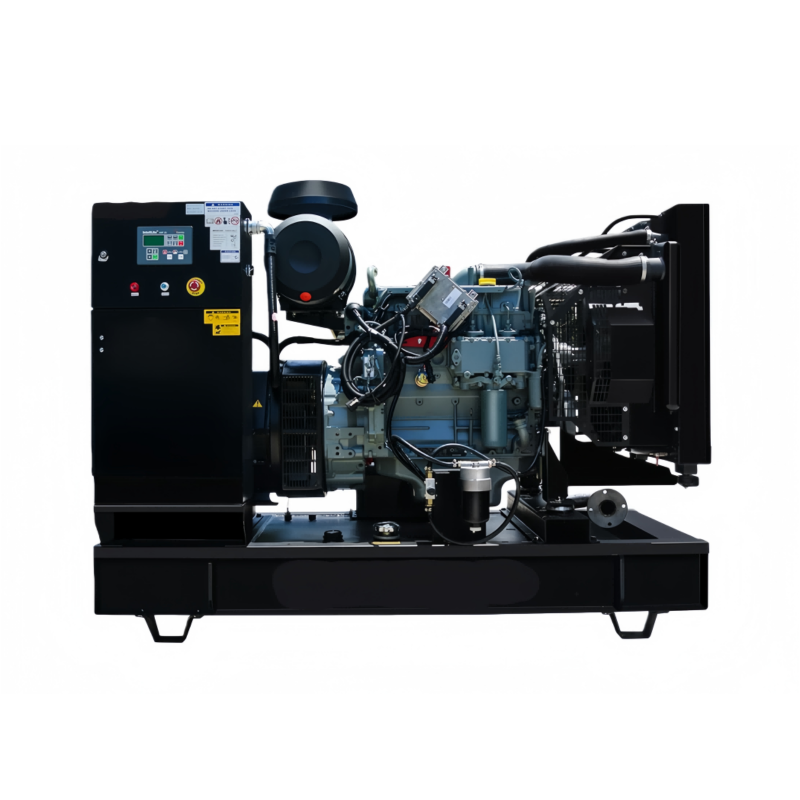
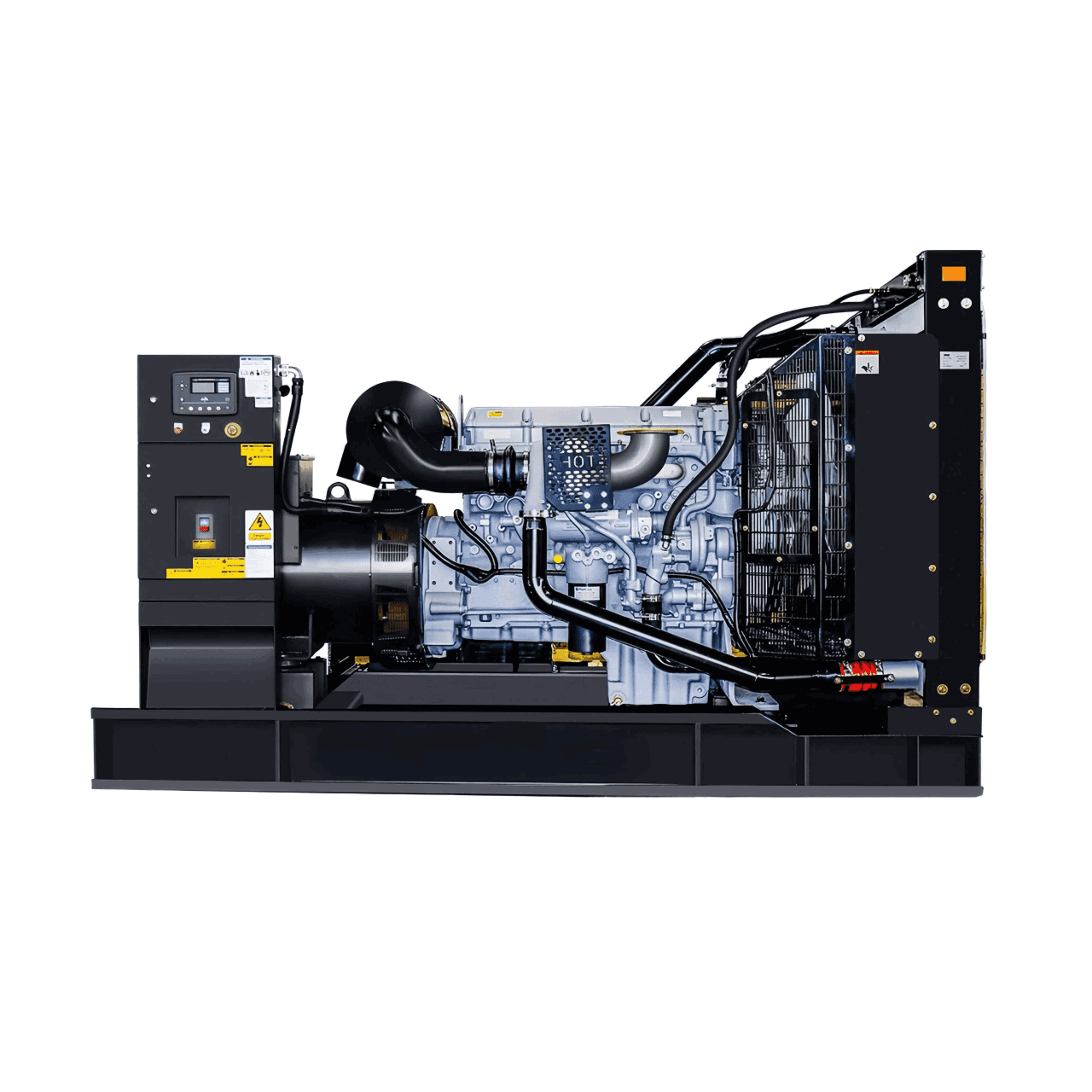
सिद्ध विश्वसनीयता और उन्नत रखरखाव प्रौद्योगिकी
सबसे बड़ा प्राकृतिक गैस जनरेटर अत्याधुनिक विश्वसनीयता विशेषताओं और रखरखाव प्रौद्योगिकियों को शामिल करता है, जो डाउनटाइम को न्यूनतम करती हैं, संचालन लागत को कम करती हैं और दशकों तक की सेवा में निरंतर प्रदर्शन सुनिश्चित करती हैं, जिससे ग्राहकों को अतुलनीय मानसिक शामत और आर्थिक मूल्य प्रदान किया जाता है। ये प्रणालियाँ अत्याधुनिक सामग्रियों, आवश्यक घटकों की डुप्लीकेट प्रणाली और जटिल निगरानी प्रणालियों के साथ इंजीनियरिंग की गई हैं, जो मिलकर 95 प्रतिशत से अधिक उपलब्धता दर प्राप्त करने के लिए कार्य करती हैं—अर्थात् जनरेटर 95 प्रतिशत से अधिक समय तक आवश्यकता पड़ने पर संचालित होने के लिए तैयार रहता है। इस विश्वसनीयता का आधार उच्च-गुणवत्ता वाली सामग्रियों के साथ मजबूत निर्माण पर आधारित है, जिन्हें विशेष रूप से ऊर्जा उत्पादन अनुप्रयोगों में अत्यधिक तापमान, दाब और यांत्रिक तनाव को सहन करने की क्षमता के आधार पर चुना गया है। महत्वपूर्ण घूर्णन घटकों को सटीक रूप से संतुलित किया गया है और उन्हें उन्नत बेयरिंग प्रणालियों द्वारा समर्थित किया गया है, जो रखरखाव अंतराल के बीच हज़ारों घंटों तक संचालित हो सकती हैं। सबसे बड़े प्राकृतिक गैस जनरेटर में व्यापक स्थिति निगरानी प्रणालियाँ शामिल हैं, जो पूरी प्रणाली में कंपन स्तर, तापमान, दाब और प्रदर्शन मापदंडों सहित सैकड़ों संचालन पैरामीटर्स को निरंतर ट्रैक करती हैं। यह वास्तविक समय निगरानी भविष्यवाणी आधारित रखरखाव रणनीतियों को सक्षम करती है, जो अनियोजित बंद होने का कारण बन सकने वाली संभावित समस्याओं का पहचान करने में सप्ताह या महीनों पहले ही सक्षम होती है, जिससे रखरखाव को नियोजित डाउनटाइम के दौरान शेड्यूल किया जा सकता है। उन्नत नैदानिक एल्गोरिदम संचालन डेटा का विश्लेषण करते हैं ताकि प्रदर्शन में सूक्ष्म परिवर्तनों का पता लगाया जा सके, जो विकसित हो रही समस्याओं का संकेत दे सकते हैं, जबकि स्वचालित सुरक्षा प्रणालियाँ खतरनाक स्थितियों का पता लगाते ही जनरेटर को सुरक्षित रूप से बंद कर देती हैं, जिससे विनाशकारी विफलताओं को रोका जा सकता है जिनकी मरम्मत के लिए व्यापक कार्य की आवश्यकता हो सकती है। सबसे बड़े प्राकृतिक गैस जनरेटर के लिए रखरखाव कार्यक्रम को लंबे सेवा अंतरालों के आसपास डिज़ाइन किया गया है, जहाँ प्रमुख निरीक्षण आमतौर पर प्रत्येक 8,000 से 24,000 संचालन घंटों के बाद केवल विशिष्ट मॉडल और संचालन स्थितियों के आधार पर आवश्यक होते हैं। इन अंतरालों के दौरान, नियमित रखरखाव मुख्य रूप से निगरानी, सूक्ष्म समायोजन और फ़िल्टर और लुब्रिकेंट जैसी उपभोग्य वस्तुओं के प्रतिस्थापन से बना होता है। जनरेटर की मॉड्यूलर डिज़ाइन दक्ष रखरखाव प्रक्रियाओं को सुविधाजनक बनाती है, जिसमें महत्वपूर्ण घटकों को पूर्ण प्रणाली विघटन की आवश्यकता के बिना निरीक्षण और सेवा के लिए सुलभ बनाया जा सकता है। दूरस्थ निगरानी क्षमताएँ निर्माताओं और सेवा प्रदाताओं को दुनिया भर से जनरेटर के प्रदर्शन की निगरानी करने की अनुमति देती हैं, जिससे जनरेटर के पूरे संचालन जीवनकाल में विश्वसनीयता और प्रदर्शन को अनुकूलित करने के लिए विशेषज्ञ विश्लेषण और समर्थन प्रदान किया जा सकता है।
 EN
EN