 EN
EN

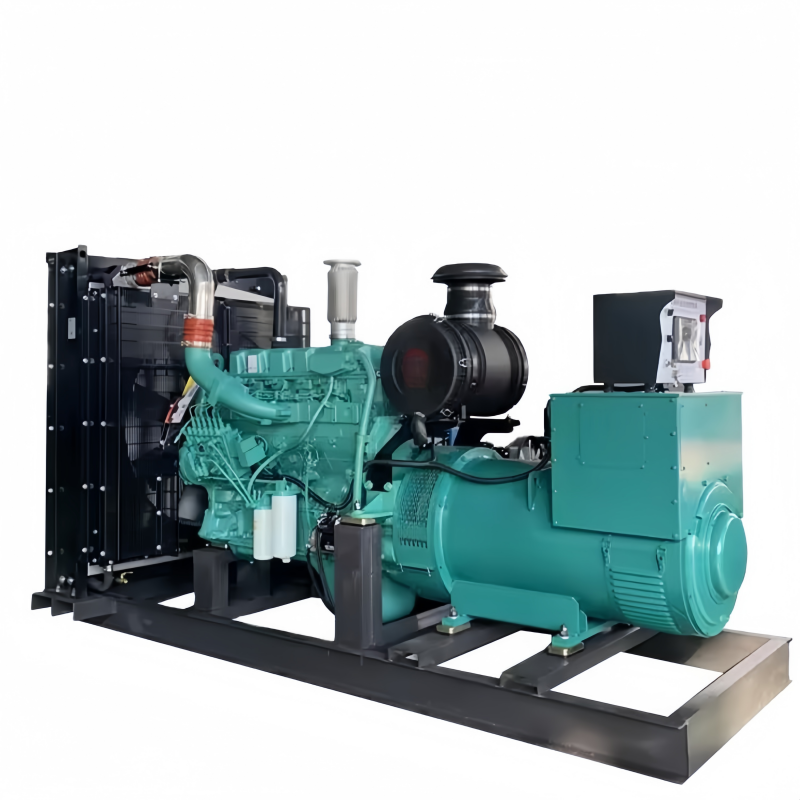
La previsión de la carga constituye el pilar fundamental para las decisiones estratégicas de adquisición de generadores en centrales eléctricas, definiendo directamente los requisitos de capacidad, la selección tecnológica y la eficiencia operativa a largo plazo. La precisión de la previsión de la carga determina si las instalaciones de generación eléctrica satisfarán la demanda futura sin una sobreinversión ni el riesgo de déficits de suministro que podrían comprometer la estabilidad de la red y la satisfacción del cliente.
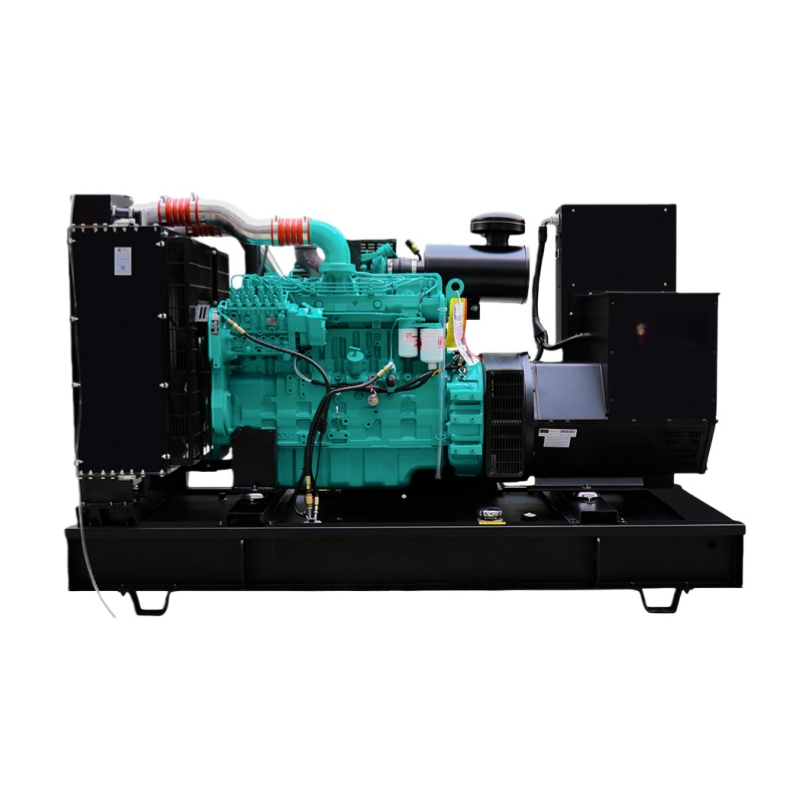
Comprender cómo influye la previsión de la carga en la adquisición de generadores exige analizar la relación intrincada entre los patrones previstos de demanda eléctrica y las especificaciones técnicas, las inversiones financieras y las estrategias operativas que caracterizan a los proyectos exitosos de generación eléctrica. Este análisis revela por qué las metodologías avanzadas de previsión de la carga se han convertido en herramientas indispensables para los desarrolladores de centrales eléctricas, las empresas eléctricas y los responsables de gestión de instalaciones industriales que toman decisiones críticas sobre la adquisición de equipos.
Fundamentos de la previsión de carga en las decisiones de dimensionamiento de generadores
Análisis de la demanda máxima y requisitos de capacidad del generador
La previsión de carga determina directamente los requisitos de capacidad del generador mediante el análisis de los patrones históricos de consumo, las variaciones estacionales y las tendencias proyectadas de crecimiento que influyen en los escenarios de demanda máxima. Los operadores de centrales eléctricas confían en previsiones precisas de carga para establecer la capacidad mínima del generador necesaria para mantener la fiabilidad del sistema durante los períodos críticos de demanda, evitando al mismo tiempo un sobredimensionamiento costoso que incremente innecesariamente los costes de capital.
La relación entre la precisión de la previsión de carga y el dimensionamiento del generador adquiere especial importancia al evaluar los requisitos de potencia de base frente a los de potencia pico. Modelos avanzados de previsión de carga analizan las fluctuaciones de la demanda hora a hora, día a día y estacionales para identificar la combinación óptima de tipos y capacidades de generadores capaz de satisfacer eficientemente los distintos perfiles de carga a lo largo de diferentes períodos temporales.
Las técnicas modernas de previsión de la carga incorporan datos meteorológicos, indicadores económicos y tendencias demográficas para predecir con mayor precisión los patrones futuros de consumo eléctrico. Estos enfoques integrales de previsión permiten a los planificadores de centrales eléctricas seleccionar configuraciones de generadores que se alineen con el crecimiento previsto de la demanda, manteniendo al mismo tiempo márgenes de reserva adecuados para garantizar la estabilidad del sistema y las capacidades de respuesta ante emergencias.
Curvas de duración de la carga e impacto en la selección de tecnologías
La previsión de la carga genera curvas detalladas de duración de la carga que influyen significativamente en la selección de tecnologías generadoras, al revelar las horas de funcionamiento y los factores de capacidad que experimentarán distintos generadores a lo largo de su vida útil. Estas curvas muestran con qué frecuencia se requerirán distintos niveles de capacidad, lo que permite a los desarrolladores de centrales eléctricas elegir tecnologías generadoras optimizadas para ciclos de servicio y patrones operativos específicos.
El análisis de las curvas de duración de la carga derivadas de previsiones integrales de la carga ayuda a determinar si los generadores de carga base de alta eficiencia, las unidades flexibles de punta o los generadores de carga intermedia constituyen la solución más rentable para satisfacer los patrones de demanda proyectados. Este proceso de coincidencia tecnológica garantiza que las inversiones en generadores se alineen con los requisitos operativos reales, y no con necesidades teóricas de capacidad máxima.
Los datos de previsión de la carga permiten a los operadores de centrales eléctricas evaluar la viabilidad económica de distintas tecnologías de generación mediante la proyección de factores de capacidad, patrones de consumo de combustible y requisitos de mantenimiento, basándose en los perfiles operativos anticipados. Este análisis influye directamente en las decisiones de compra al identificar configuraciones de generadores que optimicen tanto los costos iniciales de capital como la eficiencia operativa a largo plazo.
Impacto económico de la previsión de la carga en las estrategias de inversión en generadores
Optimización de los costos de capital mediante la predicción de la demanda
La previsión precisa de la carga permite a los inversores en centrales eléctricas optimizar la asignación de capital al seleccionar capacidades y configuraciones de generadores que se ajusten al crecimiento proyectado de la demanda, evitando así una sobreinversión innecesaria o márgenes de reserva insuficientes. El impacto económico de una previsión precisa de la carga va más allá de los costes iniciales de los generadores e incluye también los requisitos de infraestructura, las conexiones de transmisión y las decisiones sobre el dimensionamiento de los equipos auxiliares.
El análisis de previsión de la carga revela el momento y la magnitud de las ampliaciones de capacidad necesarias para satisfacer el creciente demanda de electricidad, lo que permite a los desarrolladores de centrales eléctricas implementar de forma estratégica las instalaciones de generadores, en lugar de invertir inmediatamente en la capacidad máxima. Este enfoque escalonado reduce los requisitos de capital iniciales, manteniendo al mismo tiempo la flexibilidad para ajustar futuras ampliaciones de capacidad según proyecciones actualizadas de la demanda y las condiciones del mercado.
Las implicaciones financieras de la precisión de la previsión de carga se vuelven evidentes al comparar escenarios en los que las proyecciones de demanda resultan correctas con situaciones en las que el consumo real supera o queda significativamente por debajo de los niveles previstos. Subestimar la demanda conduce a déficits de capacidad que requieren la adición costosa de generadores de emergencia, mientras que sobreestimarla da lugar a generadores infrautilizados que no logran alcanzar los rendimientos financieros proyectados.
Proyecciones de ingresos y criterios de selección de generadores
La previsión de carga proporciona datos esenciales para proyectar los flujos de ingresos de los generadores, analizando los factores de capacidad anticipados, los precios del mercado energético y las oportunidades de servicios auxiliares que influyen en la viabilidad financiera de distintas tecnologías y configuraciones de generadores. Estas proyecciones de ingresos afectan directamente las decisiones de compra de generadores al establecer el marco económico para evaluar opciones competidoras de equipos.
La integración de previsión de carga los datos con análisis del mercado eléctrico permiten a los desarrolladores de plantas eléctricas identificar las especificaciones del generador que maximicen la rentabilidad bajo diversos escenarios de mercado y marcos regulatorios. Este enfoque integral considera no solo las características técnicas de rendimiento, sino también la dinámica del mercado que afecta los patrones de utilización del generador y su potencial de ingresos.
La previsión de carga a largo plazo ayuda a establecer las expectativas económicas sobre el ciclo de vida de las inversiones en generadores, proyectando cómo podrían evolucionar los patrones de demanda y las condiciones del mercado a lo largo de la vida útil prevista del equipo de generación eléctrica. Estas proyecciones influyen en la selección de la tecnología del generador, la planificación del mantenimiento y las estrategias finales de sustitución, optimizando así el costo total de propiedad.
Alineación de las Especificaciones Técnicas mediante el Análisis de los Patrones de Carga
Adaptación del Rendimiento del Generador a las Características de la Carga
El análisis de previsión de carga revela características eléctricas específicas y requisitos operativos que influyen directamente en las especificaciones técnicas del generador, incluidas las capacidades de regulación de tensión, las características de respuesta en frecuencia y el rendimiento del factor de potencia necesarios para mantener la estabilidad de la red bajo condiciones variables de carga. Estos requisitos técnicos condicionan las decisiones de compra de generadores al establecer los criterios de rendimiento que los generadores candidatos deben cumplir para garantizar un funcionamiento fiable del sistema.
El análisis detallado del patrón de carga proporcionado por la previsión integral de carga permite a los ingenieros de centrales eléctricas especificar los sistemas de control del generador, los equipos de protección y los sistemas auxiliares que se ajusten a los escenarios operativos previstos. Esta alineación técnica garantiza que los generadores adquiridos puedan responder adecuadamente a las variaciones de carga, mantener los estándares de calidad de la energía e integrarse eficazmente con la infraestructura existente de la red.
La previsión moderna de carga incorpora el análisis de la calidad de la energía, que influye en las especificaciones del generador respecto a los límites de distorsión armónica, las capacidades de respuesta transitoria y los requisitos de estabilidad de tensión. Estas consideraciones técnicas afectan directamente las decisiones de compra de generadores al establecer estándares mínimos de rendimiento que garanticen el cumplimiento de los códigos de red y las expectativas del cliente en materia de calidad de la energía.
Sistema de combustible y consideraciones sobre emisiones
Los datos de previsión de carga influyen en el diseño del sistema de combustible del generador y en los requisitos de control de emisiones, al proyectar los patrones operativos que determinan las tasas de consumo de combustible, los requisitos de almacenamiento y las obligaciones de cumplimiento ambiental. Estas proyecciones operativas afectan directamente las decisiones de compra de generadores al definir las especificaciones del sistema de combustible y las tecnologías de control de emisiones necesarias para cumplir con la normativa.
El análisis de las horas previstas de funcionamiento del generador y de los factores de capacidad derivados del pronóstico de carga ayuda a determinar estrategias adecuadas de control de emisiones y sistemas de manejo de combustible que equilibren el cumplimiento medioambiental con la eficiencia operativa. Este análisis influye en la selección de la tecnología del generador al identificar configuraciones que satisfagan tanto los requisitos de rendimiento como las normativas ambientales a lo largo de los perfiles operativos previstos.
El pronóstico de carga a largo plazo permite a los operadores de centrales eléctricas evaluar cómo podrían afectar al funcionamiento de los generadores los cambios en las normativas ambientales y la disponibilidad de combustibles durante toda su vida útil. Este análisis prospectivo influye en las decisiones de adquisición de generadores al priorizar tecnologías que mantengan flexibilidad para el cumplimiento normativo y viabilidad operativa dentro de marcos regulatorios en evolución.
Integración de la planificación estratégica y gestión a largo plazo del parque de generadores
Optimización de la mezcla de generación mediante la modelización de la demanda
La previsión integral de la carga permite a los planificadores del sistema eléctrico optimizar la composición de la cartera de generación analizando cómo distintos tipos y capacidades de generadores funcionan conjuntamente para satisfacer los patrones de demanda proyectados, al tiempo que se minimizan los costes del sistema y se mantienen los estándares de fiabilidad. Este enfoque de optimización de la cartera influye en las decisiones individuales de adquisición de generadores al considerar cómo contribuye cada unidad al rendimiento general del sistema y a su eficiencia económica.
La integración de la previsión de la carga con la modelización de la cartera de generación revela oportunidades para tecnologías complementarias de generación que aportan flexibilidad operativa, mejoran la eficiencia del sistema y reducen los requisitos totales de capacidad. Estas relaciones sinérgicas influyen en las estrategias de adquisición de generadores al priorizar combinaciones de equipos que potencien el rendimiento global del sistema, en lugar de optimizar aisladamente las características individuales de cada generador.
El análisis de previsión de carga ayuda a identificar el momento óptimo para la adición, sustitución y actualización de generadores, lo que permite mantener márgenes adecuados de capacidad, al tiempo que se minimizan las inversiones obsoletas y las interrupciones operativas. Esta consideración estratégica sobre el momento adecuado influye directamente en las decisiones de compra de generadores, al establecer calendarios de adquisición que se alineen con el crecimiento previsto de la demanda y con la gestión del ciclo de vida del equipo existente.
Gestión de Riesgos y Planificación de Contingencias
El análisis de la incertidumbre en la previsión de carga influye en las decisiones de compra de generadores al cuantificar los riesgos asociados a las proyecciones de demanda y al establecer los requisitos de contingencia necesarios para garantizar una fiabilidad adecuada del sistema bajo diversos escenarios de crecimiento. Este enfoque basado en el riesgo ayuda a los operadores de centrales eléctricas a seleccionar configuraciones de generadores que ofrezcan flexibilidad operativa para adaptarse a las variaciones de la demanda, sin comprometer ni el rendimiento del sistema ni su viabilidad económica.
La evaluación de los intervalos de confianza de la previsión de carga y de los resultados del análisis de sensibilidad impacta directamente en los márgenes de capacidad de los generadores, en las estrategias de diversificación tecnológica y en los requisitos de potencia de respaldo que influyen en las especificaciones de compra. Estas consideraciones de gestión de riesgos garantizan que las inversiones en generadores ofrezcan un rendimiento adecuado tanto en escenarios de demanda esperados como extremos, manteniendo al mismo tiempo su viabilidad económica.
La previsión a largo plazo de la carga permite a los planificadores del sistema eléctrico evaluar cómo los cambios demográficos, los patrones de desarrollo económico y las tendencias de adopción tecnológica pueden afectar la demanda de electricidad durante toda la vida útil del generador. Este análisis integral de riesgos influye en las decisiones de compra de generadores al priorizar tecnologías y configuraciones que mantengan su pertinencia operativa y su valor económico ante condiciones de mercado cambiantes.
Preguntas frecuentes
¿Qué papel desempeña la precisión de la previsión de carga en la determinación de los requisitos de capacidad del generador?
La precisión de la previsión de la carga determina directamente los requisitos de capacidad de los generadores al proporcionar la base para el análisis de la demanda máxima, los cálculos del margen de reserva y las proyecciones del factor de capacidad, que establecen los criterios mínimos de dimensionamiento de los generadores. Una previsión precisa de la carga evita tanto las costosas inversiones en exceso de capacidad como las peligrosas situaciones de insuficiencia de capacidad, que comprometen la fiabilidad del sistema y la calidad del servicio al cliente.
¿Cómo influye la previsión de la carga en la elección entre distintas tecnologías de generación?
La previsión de la carga influye en la selección de la tecnología de generación al analizar los patrones operativos, los factores de capacidad y los ciclos de funcionamiento, que determinan qué tipos de generadores ofrecen un rendimiento óptimo y rentabilidad económica para perfiles de demanda específicos. El análisis detallado de las curvas de duración de la carga y de los requisitos operativos permite identificar si los generadores de base, intermedios o de punta son los que mejor se adaptan a los patrones proyectados de consumo eléctrico.
¿Qué factores económicos revela la previsión de carga para las decisiones de inversión en generadores?
La previsión de carga revela factores económicos clave, como los factores de capacidad proyectados, el potencial de ingresos, los patrones de consumo de combustible y los costos operativos, que influyen directamente en la viabilidad de la inversión en generadores y en la selección de tecnología. Estas proyecciones económicas permiten a los desarrolladores de centrales eléctricas evaluar el costo total de propiedad, los períodos de recuperación de la inversión y la rentabilidad de distintas configuraciones de generadores bajo diversos escenarios de demanda.
¿Hasta qué punto en el futuro debe extenderse la previsión de carga para las decisiones de compra de generadores?
La previsión de la carga para las decisiones de adquisición de generadores debe extenderse a lo largo de toda la vida útil prevista del equipo, que normalmente es de 20 a 30 años para inversiones importantes en generación de energía, con el fin de garantizar que los generadores seleccionados sigan siendo técnicamente y económicamente viables ante patrones cambiantes de demanda y condiciones de mercado. Esta perspectiva a largo plazo ayuda a identificar tecnologías de generadores que ofrezcan flexibilidad operativa y mantengan su valor durante todo su ciclo de vida operativo esperado.
Tabla de contenidos
- Fundamentos de la previsión de carga en las decisiones de dimensionamiento de generadores
- Impacto económico de la previsión de la carga en las estrategias de inversión en generadores
- Alineación de las Especificaciones Técnicas mediante el Análisis de los Patrones de Carga
- Integración de la planificación estratégica y gestión a largo plazo del parque de generadores
-
Preguntas frecuentes
- ¿Qué papel desempeña la precisión de la previsión de carga en la determinación de los requisitos de capacidad del generador?
- ¿Cómo influye la previsión de la carga en la elección entre distintas tecnologías de generación?
- ¿Qué factores económicos revela la previsión de carga para las decisiones de inversión en generadores?
- ¿Hasta qué punto en el futuro debe extenderse la previsión de carga para las decisiones de compra de generadores?